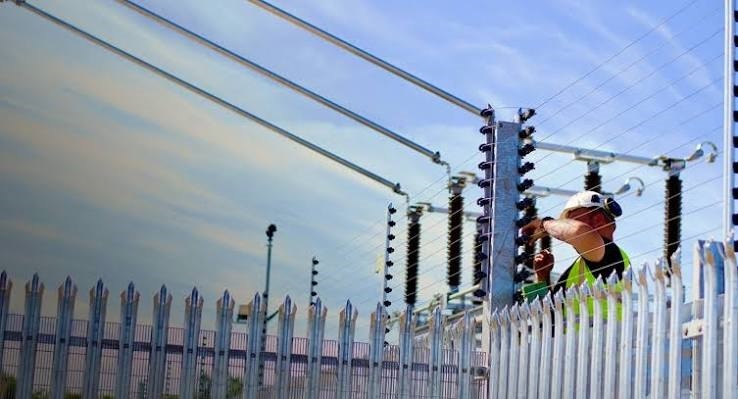
Electrical design plays a vital role in the safety, performance and efficiency of modern buildings. From commercial offices and factories to hospitals and large infrastructure projects, every facility needs a reliable electrical system. A good design helps control power use, prevent faults and support the daily needs of a building.
Choosing the right provider of electrical design services is just as important as selecting the equipment itself. Experienced electrical engineering firms can plan power distribution, prepare technical drawings, assess electrical loads and help projects meet UK regulations. Their work also supports energy efficiency, safe installations and long-term system performance.
The UK has many engineering consultancies with expertise in electrical systems and building services. Some focus on large infrastructure and energy projects, while others specialise in commercial buildings, industrial facilities and sustainable design. This guide explores some of the best-known firms to consider in 2026, explains what they offer and shares practical advice on choosing the right engineering partner.
What Are Electrical Design Services?
Electrical design services involve the planning and development of electrical systems for buildings, infrastructure and industrial facilities. Engineers assess the needs of a project and create a design that supports safe power supply, reliable operation and efficient energy use.
The process starts with an understanding of how the building or facility will operate. Engineers review the expected electrical load, equipment requirements, available power supply and relevant safety standards. They then prepare the drawings, calculations and specifications needed for installation.
Depending on the project, electrical design may cover:
- Electrical load calculations and power demand assessments.
- Low-voltage and high-voltage distribution systems.
- Cable sizing and cable routing.
- Lighting and emergency lighting design.
- Switchgear and distribution board layouts.
- Earthing and bonding arrangements.
- Generator, UPS and backup power systems.
- Fire alarm and emergency electrical systems.
- Renewable energy and solar PV integration.
- Electrical drawings, specifications and technical reports.
These services are important for both new construction and existing buildings. A suitable design can help reduce installation errors, improve system performance and make future maintenance easier.
Best Electrical Design Services: Top UK Firms in 2026
Finding the right engineering company depends on your project type, budget and technical needs. The following firms have established UK operations and provide electrical engineering, building services or wider engineering consultancy.
This is an editorial selection based on their market presence and relevant engineering capabilities, rather than an official ranking of the UK’s electrical design providers.
1. WSP
WSP is one of the largest engineering consultancies in the UK. It provides design and technical services for buildings, transport, energy and infrastructure projects. Its multidisciplinary teams bring together electrical, mechanical, structural and environmental engineering expertise.
The company supports electrical engineering projects that need careful planning and coordination. Its building services work can include power distribution, lighting, electrical infrastructure and energy performance. These systems must meet the needs of the building while supporting safe and reliable operation.
WSP also works on complex developments where electrical systems must integrate with other building services. This can include hospitals, offices, airports, residential developments and data centres.
Its size and range of technical expertise make it a suitable option for large projects with several engineering requirements. Clients can benefit from having different specialists work together during the design and planning stages.
Key areas of expertise:
- Building services engineering.
- Electrical infrastructure and power systems.
- Lighting and energy efficiency.
- Transport and infrastructure engineering.
- Sustainable building design.
Best suited for: Large commercial developments, healthcare facilities, transport infrastructure and complex building projects.
2. Mott MacDonald
Mott MacDonald is a well-established engineering consultancy with experience across buildings, energy, transport, water and infrastructure. It provides technical support for projects that require detailed planning and coordination between engineering disciplines.
Its electrical engineering expertise supports building services and infrastructure projects. This can include power distribution, electrical equipment, lighting, substations and other systems that support the operation of a facility.
The company also works on energy infrastructure. This may involve electrical networks, power generation facilities and systems that support the transition to cleaner energy.
For building projects, electrical design must account for the needs of occupants, equipment and future operations. Mott MacDonald’s multidisciplinary approach helps bring these requirements together with mechanical, structural and civil engineering.
Its experience in complex projects makes it a relevant choice for organisations that need engineering support beyond a basic electrical installation design.
Key areas of expertise:
- Electrical and building services engineering.
- Power networks and energy infrastructure.
- Substation and utility design.
- Infrastructure planning.
- Engineering assessments and technical advice.
Best suited for: Energy projects, commercial buildings, transport facilities and major infrastructure developments.
3. AECOM
AECOM provides engineering, planning and design services for public and private sector clients. Its work covers buildings, transport, energy, water and environmental projects.
The company’s electrical engineering capabilities form part of its wider building and infrastructure services. Electrical systems are planned to meet the power, lighting, safety and operational needs of each development.
AECOM can support projects that require electrical design alongside mechanical, structural and environmental engineering. This approach helps project teams coordinate different systems before construction begins.
Its experience across major developments can be useful for projects with complex technical requirements. For example, transport facilities and large commercial buildings often need carefully planned power supplies, emergency systems and specialist electrical equipment.
AECOM also works with clients to consider building performance and energy use. This helps project owners understand how design decisions may affect operating costs over time.
Key areas of expertise:
- Building services engineering.
- Electrical infrastructure planning.
- Power and lighting systems.
- Transport and infrastructure design.
- Energy and environmental consulting.
Best suited for: Large commercial buildings, public facilities, transport developments and infrastructure projects.
4. Arup
Arup is known for its work in engineering, architecture and the built environment. The company provides services across buildings, energy, transport and infrastructure.
Its electrical engineering teams work on projects that need reliable power systems and efficient building services. This includes planning electrical distribution, lighting, backup supplies and specialist systems for complex facilities.
Arup takes an integrated approach to design. Electrical engineers work with other specialists to make sure that building systems support the project’s wider requirements. This can help reduce design conflicts and improve coordination.
Energy performance is also an important part of modern electrical design. Efficient lighting, suitable equipment and renewable energy integration can help reduce energy demand. Arup’s wider sustainability expertise can support clients who want to consider these factors from the start.
The company is a strong option for projects that require technical design and close cooperation between engineering and architectural teams.
Key areas of expertise:
- Electrical and building services engineering.
- Power system planning.
- Sustainable building design.
- Energy efficiency.
- Transport and infrastructure engineering.
Best suited for: Complex commercial buildings, research facilities, data centres and sustainable infrastructure.
5. Ramboll
Ramboll provides engineering and consultancy services across buildings, energy, transport and environmental projects. Its work combines technical design with a focus on sustainable development.
The company’s building services expertise includes electrical engineering. Its teams help plan systems that support power distribution, lighting, electrical equipment and building operations.
For larger projects, electrical systems must work with mechanical services, fire safety arrangements and building controls. Ramboll’s multidisciplinary approach helps bring these requirements together during the design process.
The company also works in the energy sector. Its broader engineering capabilities can support projects that involve energy infrastructure and the integration of sustainable technologies.
Businesses looking for electrical design support may find Ramboll relevant when their projects have wider environmental or energy performance goals.
Key areas of expertise:
- Electrical and mechanical building services.
- Energy infrastructure.
- Sustainable building engineering.
- Electrical system coordination.
- Environmental consulting.
Best suited for: Sustainable developments, commercial buildings, energy projects and infrastructure facilities.
6. Buro Happold
Buro Happold is an international engineering consultancy that works on buildings and infrastructure. It provides services across several disciplines, including building services, structural engineering and environmental design.
Electrical engineering is an important part of its building services work. The company supports projects that need coordinated power, lighting and electrical systems.
Its approach is useful for buildings with complex design requirements. Cultural facilities, educational buildings and large commercial developments may need specialist electrical systems to support their daily operations.
Electrical design also needs to consider future building use. A system should provide enough capacity for current requirements while allowing for suitable upgrades where needed.
Buro Happold’s multidisciplinary teams can help clients consider these needs alongside architecture, structure and environmental performance.
Key areas of expertise:
- Building services engineering.
- Electrical system planning.
- Energy and environmental design.
- Building performance.
- Multidisciplinary engineering coordination.
Best suited for: Cultural buildings, education facilities, commercial developments and complex architectural projects.
7. Stantec
Stantec provides engineering and design services across buildings, infrastructure, energy and environmental projects. It has a UK presence and works with clients in several sectors.
Its building services teams include electrical engineering expertise. This supports the design of electrical systems for commercial, residential, healthcare and industrial facilities.
Depending on the project, electrical design may cover power distribution, lighting, electrical equipment and specialist building systems. The company also has wider engineering experience in energy and infrastructure.
Stantec’s multidisciplinary approach can help project owners coordinate electrical requirements with other technical systems. This is important when a building has specialist equipment or complex operational needs.
Its experience across different sectors makes it worth considering for organisations that need a wider engineering partner.
Key areas of expertise:
- Electrical and building services engineering.
- High-voltage and low-voltage systems.
- Healthcare and commercial building design.
- Infrastructure engineering.
- Energy and environmental services.
Best suited for: Healthcare buildings, industrial facilities, commercial developments and infrastructure projects.
8. AtkinsRéalis
AtkinsRéalis provides engineering, design and project management services across energy, infrastructure, transport and buildings.
Its engineering teams support projects that need electrical systems as part of wider technical infrastructure. This may include power networks, electrical equipment, energy facilities and building services.
The company has experience in complex engineering programmes. These projects often need detailed technical assessments, design coordination and close attention to safety and performance.
For organisations planning energy or infrastructure developments, electrical design must account for power demand, system reliability and future operational needs. AtkinsRéalis has a broad engineering base that can support these requirements.
Its multidisciplinary services also help clients manage different technical aspects of a project through coordinated teams.
Key areas of expertise:
- Electrical and power engineering.
- Energy infrastructure.
- Transport and infrastructure design.
- Technical project management.
- Engineering assessments.
Best suited for: Energy facilities, transport infrastructure, large developments and complex engineering programmes.
9. Cundall
Cundall is a building services and engineering consultancy with expertise in sustainable design. It works on commercial, residential, educational and other building projects.
Its electrical engineering services form part of its wider mechanical, electrical and public health offering. The company supports the design of systems that meet the needs of building users and operators.
Electrical design can include power distribution, lighting, emergency systems and electrical equipment. These systems must be planned to work with the building’s layout and mechanical services.
Cundall also considers energy use and building performance. This can help clients make informed decisions about efficient equipment and long-term operating costs.
Its building services focus makes it a relevant choice for property developers and organisations planning new buildings or upgrading existing facilities.
Key areas of expertise:
- Electrical building services.
- Lighting and power design.
- Energy efficiency.
- Sustainable building engineering.
- Mechanical and electrical coordination.
Best suited for: Commercial offices, residential buildings, educational facilities and building refurbishment projects.
10. Hoare Lea
Hoare Lea is a UK engineering consultancy that focuses on building services and specialist engineering. It works with developers, architects and building owners on projects across several sectors.
Its electrical engineering work supports the design of systems that help buildings operate safely and efficiently. These may include power supplies, distribution networks, lighting, emergency power and specialist electrical equipment.
Different buildings need different electrical solutions. A hospital may need resilient power supplies for critical areas. An office may need flexible distribution systems to support changing layouts. An industrial facility may need power arrangements for heavy machinery.
Hoare Lea’s building services focus can help clients address these needs through coordinated engineering design.
The company is worth considering when a project requires specialist building services knowledge and close coordination between electrical, mechanical and other building systems.
Key areas of expertise:
- Electrical building services.
- Power distribution.
- Lighting and emergency systems.
- Building performance.
- Integrated engineering design.
Best suited for: Commercial buildings, healthcare facilities, residential developments and specialist building projects.
What Makes the Best Electrical Design Services Provider?
Not every engineering consultancy is suitable for every project. Some firms focus on large infrastructure programmes, while others specialise in building services and electrical systems.
Before choosing a provider, consider these important factors.
1. Technical Knowledge and Experience
A good electrical engineering team should understand the technical requirements of your project. This includes power demand, cable sizing, electrical distribution, lighting and equipment selection.
Ask the company about its previous projects. Experience in a similar building or industry can help engineers identify potential problems and develop suitable solutions.
2. Knowledge of UK Electrical Regulations
Electrical systems must meet the relevant UK regulations and technical standards. A design consultancy should understand the requirements that apply to the project.
Important regulations and standards include:
- BS 7671: Requirements for Electrical Installations, also known as the IET Wiring Regulations.
- Electricity at Work Regulations 1989: Requirements for electrical safety in workplaces.
- Building Regulations: Relevant requirements for electrical safety and building performance.
- BS 5839: Standards covering fire detection and fire alarm systems.
- BS 5266: Standards covering emergency lighting.
- G99 and G100: Requirements relevant to connecting generation equipment to distribution networks and managing export.
The exact requirements depend on the building, installation and project scope. Therefore, engineers should identify the correct standards before completing the design.
3. Range of Electrical Engineering Services
Choose a firm that can meet the full technical needs of your project. Some developments need only basic electrical layouts, while others require detailed power studies and specialist engineering.
Look for experience in:
- High-voltage and low-voltage design.
- Electrical load assessments.
- Power distribution systems.
- Lighting calculations.
- Earthing and bonding.
- Backup power systems.
- Electrical safety assessments.
- Renewable energy integration.
A suitable range of services can make project coordination easier and reduce the need to appoint several separate consultants.
4. Design Software and Technology
Modern electrical engineering relies on accurate drawings and digital design tools. Software such as AutoCAD and Revit helps engineers prepare electrical layouts and coordinate building services.
Building Information Modelling (BIM) can also help teams identify design conflicts before construction. This is useful when electrical systems must fit around structural elements, ventilation systems and plumbing.
Ask whether the consultancy can provide the drawings and technical documents required by your architect, contractor and project manager.
5. Cost and Long-Term Performance
The cheapest design is not always the most cost-effective option. Poor planning can lead to installation changes, higher energy bills and additional maintenance.
A good electrical design should consider both the initial installation cost and the expected operating costs.
For example, efficient lighting, suitable cable selection and well-planned power distribution can help improve energy performance. The design should also allow for future changes where practical.
Latest Trends in Electrical Design Services in 2026
Electrical engineering continues to change as businesses adopt new technologies and improve energy performance. In 2026, several developments are shaping how engineers plan electrical systems.
Smart Building Electrical Systems
Modern buildings use smart controls to manage lighting, heating, power and other services. These systems can help building managers monitor energy use and improve operational control.
Electrical engineers must consider the power, control and communication requirements of these technologies during the design stage.
Renewable Energy Integration
More businesses are considering solar PV, battery storage and other renewable energy systems. These technologies can support lower grid demand and improve energy management.
However, adding renewable equipment requires careful electrical planning. Engineers must consider system capacity, protection, grid connections and power export requirements.
Electric Vehicle Charging Infrastructure
EV charging is becoming an important consideration for commercial properties, workplaces and residential developments.
Electrical designers need to assess the available supply, expected charging demand and distribution capacity. They may also need to consider load management to prevent unnecessary strain on the electrical installation.
Energy Monitoring and Management
Energy monitoring systems help businesses understand where and when they use electricity. This information can support better decisions about equipment, operating schedules and energy costs.
Electrical design should consider how monitoring equipment will connect to the wider building management system.
Data Centres and Reliable Power Systems
Data centres need reliable electrical infrastructure to support servers, cooling equipment and other critical systems. Their design may involve backup generators, UPS systems, redundant power supplies and detailed load assessments.
This sector continues to create demand for specialist electrical engineering expertise.
Why Are Professional Electrical Design Services Important?
Professional electrical design supports the safety and performance of a building throughout its life. It also helps businesses avoid problems that may arise from poor planning.
Here are some of the main benefits.
Improved electrical safety: A well-planned design considers protection systems, earthing, cable selection and relevant safety requirements. This helps reduce electrical risks.
Better energy efficiency: Engineers can assess power demand and recommend suitable equipment. Efficient lighting and well-designed distribution systems can help control energy use.
Fewer installation problems: Detailed drawings and technical specifications give contractors a clear plan to follow. This can reduce errors and unnecessary changes during construction.
Lower operating costs: Suitable equipment selection and energy planning can help reduce long-term expenses.
Easier maintenance: Clear electrical documentation makes it easier for maintenance teams to understand the installation and plan future work.
Future expansion: A well-considered design can allow for changes in equipment, building use and electrical demand.
How Almens Consult Can Help with Electrical Design Services
Almens Consult supports businesses that need practical electrical engineering solutions. Its core areas include power design, energy management and safety compliance.
The company understands that every electrical project has different technical and operational requirements. A commercial building may need an efficient power distribution system, while an industrial facility may require careful planning for equipment loads and electrical safety.
Almens Consult focuses on helping clients assess these requirements and consider suitable engineering solutions. Its approach also takes account of energy performance, system reliability and relevant compliance needs.
Whether you are planning a new development, upgrading an existing electrical installation or reviewing your building’s power requirements, the right engineering advice can help you make informed decisions.
Planning an electrical engineering project? Contact Almens Consult to discuss your requirements and explore suitable engineering solutions.
Conclusion
Choosing the best provider of electrical design services in the UK requires careful consideration of technical experience, project requirements and engineering capabilities. The right consultancy can help businesses plan safe electrical systems, improve energy efficiency and reduce problems during installation.
Firms such as WSP, Mott MacDonald, AECOM, Arup and AtkinsRéalis offer broad engineering expertise for large developments and infrastructure projects. Ramboll, Buro Happold, Stantec, Cundall and Hoare Lea also provide relevant engineering and building services capabilities.
However, the best choice depends on the type and scale of your project. Compare each firm’s experience, technical services, regulatory knowledge and approach to project support before making a decision.
A well-planned electrical system is an investment in safety, reliability and long-term performance. Working with a suitable engineering partner can help ensure your project meets its present needs and remains ready for future demands.