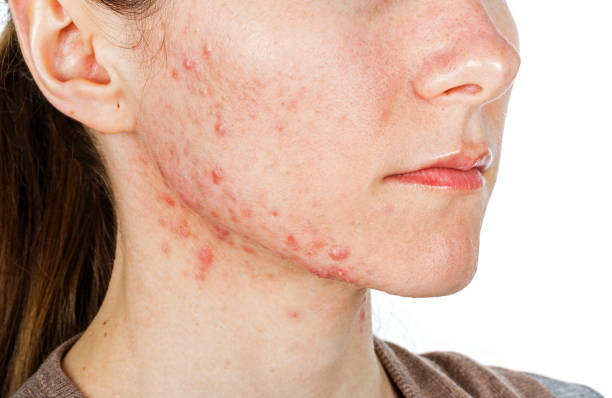
Acne can feel frustrating when the skin looks shiny, pores appear congested, and new blemishes keep showing up. Acne Treatment in Abu Dhabi can help manage excess oil by addressing the factors that contribute to its production and buildup. Depending on the person’s skin and acne pattern, treatment may focus on balancing oil, clearing blocked pores, and calming acne-prone areas.
Why Does the Skin Produce Excess Oil?
The skin naturally produces sebum, an oily substance made by sebaceous glands. Sebum helps keep the skin flexible and protects its surface. Problems can arise when these glands produce more oil than the skin needs, or when oil combines with dead skin cells inside pores.
The Role of Sebaceous Glands
Sebaceous glands sit beside hair follicles and release sebum through the pores. Hormonal changes, inherited traits, stress, and some environmental conditions can affect how active these glands become. When sebum builds up, pores may become blocked, creating conditions in which acne blemishes can develop.
Oil and Blocked Pores
Excess oil does not cause every type of acne on its own. However, it can contribute to clogged pores, especially when dead skin cells are not shed evenly. A blocked pore may appear as a blackhead or whitehead, and inflammation can lead to a red, tender blemish.
How Does Acne Treatment Help Control Oil?
Treatment aims to support a more balanced skin environment rather than remove all oil. A suitable plan may help reduce excess sebum, encourage clearer pores, and limit the buildup that contributes to acne. The approach can differ according to skin sensitivity, acne severity, and whether blemishes are mostly comedones or inflamed spots.
Supporting Balanced Sebum Production
Some acne treatments work by influencing the activity of oil-producing glands. When those glands release less excess sebum, the skin may feel less greasy and pores may be less likely to collect oily residue. The goal is balance: skin still needs some natural oil to maintain its protective barrier.
Keeping Pores Clear
Treatments that encourage the shedding of dead skin cells can help reduce the material that mixes with sebum inside pores. With fewer blockages, oil can move more freely to the skin’s surface. This can reduce the formation of new blackheads and whiteheads over time.
Addressing Acne-Causing Factors
A treatment plan may also address inflammation and the processes that allow acne to persist. By reducing congestion and calming affected areas, care can help improve the overall appearance of acne-prone skin. Oil control is therefore one part of treatment, alongside pore care and management of blemishes.
What Can a Personalized Treatment Plan Include?
A thoughtful plan starts with understanding the person’s skin and acne history. The pattern of breakouts, skin sensitivity, and previous responses to care can all help guide decisions. Rather than using the same method for everyone, a tailored approach considers what is driving the oiliness and congestion.
Skin Assessment
An assessment can help distinguish oily skin from combination skin and identify where breakouts occur. It can also help determine whether visible shine is linked to excess sebum, surface dehydration, or both. This matters because skin that feels tight may still produce oil, and overly harsh cleansing can make the surface feel uncomfortable without resolving pore congestion.
Treatment Choices
Depending on the assessment, treatment may include topical approaches, in-office procedures, or a coordinated combination. Each option has a different purpose, and suitability depends on the person’s skin and acne presentation. A qualified skincare professional can explain how a proposed method is intended to reduce oil or improve pore clarity.
Gradual Progress
Changes in oiliness and breakouts usually take time to become noticeable. Skin renewal happens gradually, so treatment is generally assessed over a suitable period rather than judged after a single day. Consistency with the agreed plan helps make it easier to understand whether the approach is working.
What Influences Results?
Several factors can affect how quickly acne treatment improves excess oil. Hormonal patterns, genetics, skin characteristics, and the type of acne all play a role. Daily habits and the regularity of an agreed skincare routine may also influence how the skin responds.
Skin Type and Acne Pattern
Some people experience shine across the whole face, while others notice oil mainly around the forehead, nose, and chin. Acne may also appear as occasional clogged pores or more persistent inflammatory blemishes. Recognizing these differences helps shape a more relevant treatment plan.
Consistency and Review
Following the recommended approach consistently gives the skin a fair opportunity to respond. Periodic review can help clarify whether oil levels, clogged pores, and breakouts are improving. If the skin’s needs change, the plan may be adjusted to better match its current condition.
Frequently Asked Questions
Does Acne Treatment Stop Oil Production Completely?
No. The aim is generally to manage excess oil, not eliminate sebum altogether. A healthy skin barrier needs some natural oil, so balanced production is more useful than making the skin completely oil-free.
Can Oil Control Help Reduce Breakouts?
It can help when excess sebum contributes to clogged pores. Treatments may also address dead skin buildup and inflammation, which are other factors involved in acne. Results depend on the person’s skin and the causes of their breakouts.
How Long Does It Take to Notice a Difference?
The timeline varies with the treatment approach and the individual’s acne pattern. Since the skin renews gradually, improvements may develop over several weeks or longer. A professional review can help assess progress and determine whether the plan remains suitable.
Is Shiny Skin Always a Sign of Excess Oil?
Not always. Shine can be associated with sebum, but skin can also feel tight or dehydrated at the same time. An assessment can help clarify whether oil production, surface dryness, or a combination of factors is contributing to the skin’s appearance.
A Balanced Approach to Oil Control
Acne treatment can reduce the impact of excess skin oil by helping balance sebum, clear pore buildup, and address acne-related inflammation. A personalized approach is important because oily skin and acne can look different from one person to another. With careful assessment and consistent care, the skin may become less congested and more balanced over time.