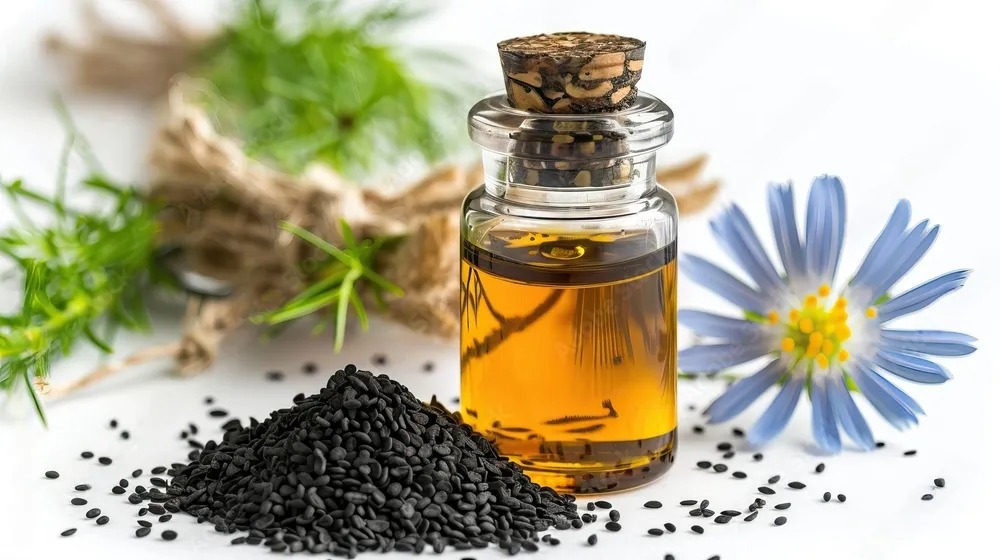
Buying wholesale black seed oil is more complicated than comparing a few price quotes. Whether you are developing dietary supplements, specialty foods, personal-care products, or a private-label brand, the quality of the finished product begins with the quality controls used by your Black seed oil bulk supplier.
Black seed oil is obtained from the seeds of Nigella sativa, also commonly called black cumin or black seed. Research shows that oils from different seeds and production systems can vary significantly in chemical composition and quality. Seed origin, pretreatment, extraction method, and storage conditions can all influence measurable characteristics of the oil.
For wholesale buyers, that means a supplier should be evaluated by evidence rather than by marketing descriptions alone.
What Buyers Should Expect From a Black Seed Oil Manufacturer
A professional black seed oil manufacturer should be able to explain exactly how its oil is produced and controlled from raw seed to finished bulk shipment.
Start with botanical identity. The specification should identify the raw material as Nigella sativa and describe the relevant plant part. For dietary supplements sold in the United States, FDA labeling rules require identification of the plant part for botanical dietary ingredients.
Next, confirm the extraction method. Cold pressing is common in premium retail positioning, but the phrase “cold pressed” by itself does not guarantee consistent quality. Studies comparing Nigella sativa oils show that processing method can affect oxidation markers, fatty-acid composition, volatile constituents, and thymoquinone concentrations.
Ask the manufacturer for a current, batch-specific certificate of analysis rather than a generic specification sheet. Depending on the intended use, useful parameters may include identity, appearance, fatty-acid profile, acid value, peroxide value, microbial limits, heavy metals, pesticide residues, residual solvents where relevant, and thymoquinone if your purchasing specification includes it. FDA dietary-supplement CGMP guidance requires manufacturers to establish appropriate specifications and verify key characteristics including identity, purity, strength, composition, and contamination limits.
How to Evaluate a Wholesale Black Seed Oil Bulk Supplier
A reliable bulk supplier should offer more than inventory availability. Buyers should assess traceability, consistency, documentation, logistics, and the supplier’s ability to reproduce specifications from batch to batch.
Traceability should extend backward to seed origin and forward to the finished lot. This matters because published testing has found significant compositional variation among commercially available black seed oils and oils produced from different geographical sources.
Request samples before placing a commercial order and compare the sample with the production specification. For larger programs, consider using an independent laboratory to verify critical attributes before approving the supplier.
Also determine whether the company is the actual manufacturer, an exporter, a distributor, or a broker. None of those models is inherently unsuitable, but the distinction affects traceability, pricing, technical support, and how quickly quality questions can be resolved.
Wholesale Pricing, MOQ and Packaging Considerations
Wholesale black seed oil prices are influenced by seed origin, crop availability, extraction yield, processing method, organic status, testing requirements, thymoquinone specification, order volume, packaging format, freight, duties, and currency movements. Because these variables change by market and contract, there is no universally reliable wholesale price per kilogram.
MOQ can also affect economics. A supplier shipping one 20–25 kg container will usually allocate overhead differently from a producer filling multiple drums, intermediate bulk containers, or palletized retail units.
Packaging should match both product stability and downstream operations. Oil quality can deteriorate through oxidation, and research on Nigella sativa oils shows that storage conditions can influence oxidative and bioactive properties. Buyers should therefore discuss light exposure, oxygen management, container compatibility, closure integrity, headspace, storage temperature, and shelf-life validation with the manufacturer.
Testing, Certifications and Regulatory Documentation
Your requirements should reflect the product’s intended market.
In the United States, a finished product marketed as a dietary supplement must be labeled as a dietary supplement and generally requires a Supplement Facts panel, ingredient declarations, net quantity, and manufacturer/packer/distributor information. Dietary-supplement manufacturers are also subject to CGMP requirements under 21 CFR Part 111.
If the product is marketed as a cosmetic, different rules apply. Under MoCRA, covered cosmetic manufacturers and processors have facility-registration obligations, while responsible persons have product-listing and safety-substantiation responsibilities, subject to statutory exemptions.
For imported food or supplement material, buyers should additionally determine whether FDA food-facility registration and Foreign Supplier Verification Program requirements apply to their supply chain.
How to Compare Suppliers Before Placing a Bulk Order
The lowest quotation is rarely the most useful comparison point. A stronger purchasing decision compares the total sourcing risk behind the quote.
Request a technical specification, recent COA, certification documents, traceability information, sample, MOQ schedule, packaging options, lead time, payment terms, Incoterm, shelf-life support, and complaint or recall procedure. Verify certificates directly with the issuing certification body when possible.
Pay particular attention to exaggerated health claims. FDA distinguishes permitted dietary-supplement structure/function claims from disease claims, and structure/function claims require substantiation, a specified disclaimer, and FDA notification after marketing.
The best Black seed oil wholesale is therefore not simply the company offering the lowest cost per kilogram. It is the supplier that can consistently deliver the agreed identity, composition, safety specifications, documentation, packaging, quantity, and schedule your business requires.
For procurement teams, the practical rule is simple: write your specification first, then compare suppliers against it. That turns black seed oil purchasing from a price-shopping exercise into a controlled ingredient-sourcing process.
FAQs
What should I look for in a black seed oil manufacturer?
Look for documented botanical identity, batch-specific testing, traceability, quality systems, clear specifications, appropriate certifications, reliable packaging, and evidence that the company can consistently reproduce agreed parameters. FDA CGMP guidance provides a useful benchmark for supplement-grade quality systems.
What is the difference between a manufacturer and a bulk supplier?
A manufacturer physically produces or processes the oil; a bulk supplier may be the manufacturer, exporter, importer, distributor, or broker. Buyers should identify which role a vendor actually performs because it affects traceability and technical control.
Is cold-pressed black seed oil always better?
Not automatically. Extraction technique affects composition and quality characteristics, but overall quality also depends on seed condition, process control, storage, oxidation, contamination, and the buyer’s intended application.
Should a supplier provide a COA?
Yes. A lot-specific COA is one of the most useful procurement documents because it shows whether a particular batch meets defined specifications. FDA supplement CGMP guidance emphasizes documented specifications and testing or examination to verify compliance.
Should black seed oil be standardized for thymoquinone?
Only when thymoquinone is part of your product or purchasing specification. Research demonstrates that thymoquinone concentrations can vary among black seed oils, so a quantified claim should be supported by an appropriate analytical method rather than assumed from the product name.
What MOQ is typical for wholesale black seed oil?
There is no universal MOQ. It can range from a single pail or drum to pallet, IBC, or container quantities depending on the supplier. The MOQ figures in this report are illustrative assumptions rather than market benchmarks.
Can black seed oil be sold as organic?
Yes, but U.S. organic marketing claims must comply with USDA National Organic Program rules and applicable certification requirements.
Can a black seed oil brand claim that the product treats a disease?
Not merely because scientific studies exist. FDA distinguishes disease claims from permissible supplement structure/function claims; products promoted to diagnose, treat, cure, mitigate, or prevent disease may be regulated as drugs.
Does FDA approve black seed oil manufacturers?
FDA registration should not be described as FDA approval. FDA explicitly notes in the cosmetic context that registration or listing does not constitute product or facility approval, and food facilities may separately be subject to registration requirements.
How should buyers compare supplier quotes?
Normalize every quote to the same specification, quantity, packaging, testing requirements, shipping term, certification level, and destination. The lowest ex-works price can become more expensive after freight, testing, duties, rejected batches, or long lead times are considered.