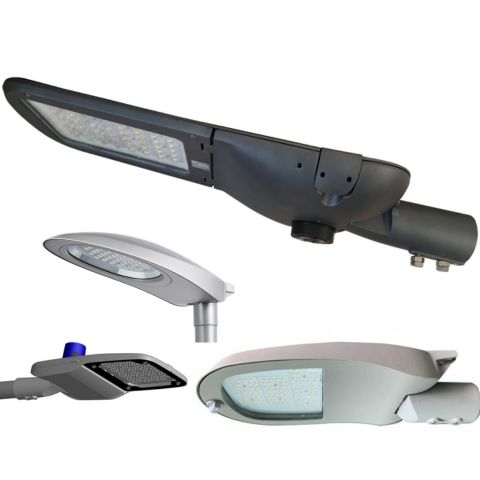
Street lighting is essential for improving nighttime visibility on public roads, residential streets, parking areas, and commercial developments. As cities and businesses increasingly adopt energy-efficient technologies, LED street lights have become a popular alternative to traditional outdoor lighting systems. However, understanding the factors that influence LED street light prices is important for contractors, distributors, municipal authorities, and project developers planning new installations or upgrades.
Choosing the right lighting solution involves balancing initial purchasing costs, energy consumption, product durability, and long-term maintenance requirements.
What Determines LED Street Light Prices?
The cost of an LED street light depends on several technical and commercial factors. Understanding these elements helps buyers compare products accurately and select fixtures that meet their project requirements.
Wattage and light output: LED street lights are available in different power ratings to accommodate residential roads, highways, industrial areas, and parking facilities. Higher-power models may cost more, but wattage alone does not determine lighting performance. Buyers should also consider luminous efficacy, beam distribution, and the required illumination level.
LED chips and drivers: The quality of internal components can influence efficiency, reliability, and operating life. A well-designed driver and effective thermal management system can contribute to consistent performance.
Housing and materials: Outdoor fixtures must withstand environmental conditions such as rain, dust, temperature changes, and wind. Housing materials, corrosion resistance, and ingress protection ratings can affect manufacturing costs.
Optical design: Suitable lenses and reflectors help distribute light across the road while managing glare and reducing unnecessary light spill.
Smart controls: Features such as dimming, photocells, motion sensors, and remote monitoring may increase the initial investment but can provide additional control over energy consumption.
Why Consider Total Cost Instead of Purchase Price?
When comparing street lighting products, buyers should evaluate the total cost of ownership rather than focusing only on the initial price. Electricity consumption, installation expenses, maintenance, and replacement frequency all contribute to long-term costs.
Energy-efficient fixtures may help reduce operating expenses when properly selected and installed. Likewise, durable products can reduce maintenance demands, particularly in locations where accessing lighting equipment is difficult or expensive.
For municipal and commercial projects, conducting a lighting assessment can help determine the appropriate fixture output, spacing, mounting height, and control strategy. This approach helps avoid overlighting, unnecessary energy use, and unsuitable product selection.
How to Compare LED Street Light Suppliers
Before purchasing, request detailed quotations from potential suppliers. A useful quotation should include wattage, lumen output, efficacy, color temperature, beam angle, housing materials, driver specifications, warranty terms, and applicable certifications.
Buyers should also confirm production lead times, minimum order quantities, shipping costs, and after-sales support. For wholesale orders, comparing pricing at different quantities can reveal potential savings.
Checking product documentation and testing samples where practical can help buyers evaluate quality before committing to large projects.
Explore LED Street Lighting Solutions from SinocoLED
Finding a suitable manufacturer can simplify sourcing for road construction companies, electrical distributors, contractors, and infrastructure developers. SinocoLED offers lighting solutions for outdoor applications, including street lighting.
Businesses researching led street light price can explore relevant pricing considerations and product options before requesting quotations for their projects.
By comparing technical specifications, energy performance, durability, and supplier support, buyers can make informed purchasing decisions. A carefully selected LED street lighting system can support reliable nighttime illumination while helping organizations manage long-term operating costs.