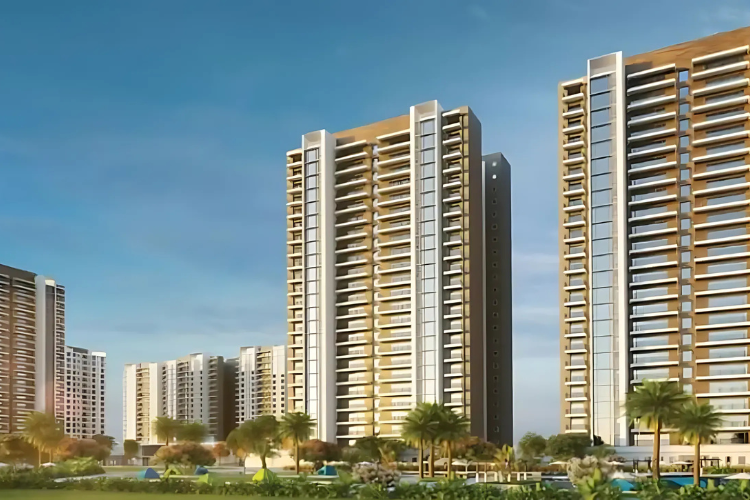
Buying a villa on Palm Jumeirah or a penthouse in Downtown is a major financial decision, and the first thing every serious buyer needs to learn is how to tell a genuine listing from a misleading one. Searching for luxury properties for sale Dubai will return thousands of results across portals, social media and agency websites. Some are accurate and current. Others are outdated, duplicated, wrongly priced or not authorised by the owner at all.
This guide explains, step by step, how to verify a luxury listing in Dubai before you make an offer. It is written from the perspective of a licensed agency that walks buyers through these checks every week. At Takween AlDar, we encourage every client to complete these steps before any deposit changes hands, whether they buy through us or not.
Why Verification Matters More at the Luxury End
At higher price points, small errors become expensive. A wrong plot size, an unpaid service charge, a mortgage that has not been cleared or an unauthorized seller can cost far more than the same mistake on a smaller unit. Luxury buyers are also more likely to be buying remotely, which makes them easier targets for fake or recycled listings.
The good news is that Dubai has one of the more transparent regulatory systems in the region. Most of what you need to confirm can be checked through official channels such as the Dubai Land Department (DLD) and the Real Estate Regulatory Agency (RERA).
Step 1: Check the Advertising Permit and the Agent
Every property advertisement in Dubai should carry a valid advertising permit number, commonly called a Trakheesi number, along with the agent’s details. Before you spend time on a listing:
- Look for the permit number and the QR code on the advertisement.
- Confirm that the permit matches the property and the agency named in the advert.
- Check that the agent holds a valid broker registration number (BRN) and that the agency is licensed.
- Use the official DLD or Dubai REST channels to confirm the details rather than relying on what the advert says about itself.
If an advert has no permit number, or the permit points to a different property or company, treat it as a warning sign and ask for an explanation in writing.
Step 2: Confirm the Owner and the Authority to Sell
A listing is only as reliable as the person who authorised it. Ask to see:
- The title deed, or the Oqood (the interim registration) if the property is off plan.
- The seller’s passport or Emirates ID, matched to the name on the title deed.
- The signed agreement between the seller and the listing agency, which in Dubai is commonly documented on the RERA standard form for brokerage.
- A valid power of attorney if someone is selling on behalf of the owner.
If the owner is a company, ask for the trade licence and the authorised signatory documents. A genuine seller and a genuine agent will not be surprised by these requests.
Step 3: Match the Listing to the Real Unit
Luxury listings are often marketed with polished photography and generic descriptions. Compare the advertised details with the title deed and the developer’s records:
- Unit or plot number, floor and building or sector.
- Built up area and plot area. Differences between the advert and the title deed are common and need an explanation.
- Number of bedrooms, parking spaces and any private pool or garden.
- The view being advertised. A “sea view” or “golf course view” should be confirmed in person, not assumed from a photograph.
Always ask whether the photographs show the actual unit or a similar or show unit. In the luxury segment, renders and staged images can look very different from the finished home.
Step 4: Test the Price Against Real Transactions
Asking prices in the luxury market vary widely, so the advertised figure alone tells you little. Ask your agent for recent registered sales in the same building, sector or community, and compare:
- Price per square foot against comparable completed transactions, not only against other asking prices.
- The condition of the property, since upgraded or fully furnished homes may justify a premium.
- Whether the unit has been on the market for a long time or has been relisted repeatedly.
A price far below the market is not a bargain until you have verified why. A price far above recent sales needs a clear reason, such as a unique plot, a landmark view or a high specification refurbishment.
Step 5: Check Mortgages, Fees and Clearances
Before you make an offer, ask the seller to confirm the following in writing:
- Whether there is an outstanding mortgage on the property and who the lender is.
- Whether service charges and community fees are fully paid up to date.
- Whether a no objection certificate (NOC) from the developer or master community will be needed for the transfer, and who pays for it.
- Whether there are any disputes, caveats or restrictions on the title.
Service charges on luxury homes can be significant, so it is worth asking for the current annual figure per square foot and for any special levies approved by the community.
Step 6: Extra Checks for Off Plan Luxury Homes
If the property is still under construction, add these checks:
- Confirm the project is registered with the relevant authority and that the developer holds the correct licence.
- Ask which escrow account will receive your payments and confirm it through official records.
- Review the developer’s delivery record on earlier projects, including actual handover dates against promised dates.
- Read the payment plan carefully and confirm what happens if a milestone is delayed.
Buyers in the luxury segment are paying closer attention to developer reputation and delivery history, and that attention is well placed.
Step 7: View the Property and Consider an Independent Inspection
Photographs and virtual tours do not replace a physical viewing. If you cannot travel, ask a trusted representative or your agency to visit and record a live video walkthrough. For ready homes, consider an independent snagging or technical inspection covering plumbing, air conditioning, waterproofing, finishes and any visible structural issues.
Step 8: Put the Terms in Writing Before You Pay
Once you are satisfied with the checks above, the offer should be documented in a formal memorandum of understanding that states the price, the deposit, the transfer date, who pays which fees and what happens if either side withdraws. The deposit is commonly held by the agency or in an escrow arrangement, so confirm exactly where your money will sit. Do not transfer funds on the strength of a chat message or a verbal promise.
It is also sensible to have a property lawyer review the agreement for high value purchases.
Common Red Flags to Watch For
- No permit number, or a permit that does not match the property or agency.
- A seller or agent who refuses to share the title deed or identification.
- Pressure to pay a deposit immediately “before someone else does”.
- Requests to send money to a personal account instead of an agency or escrow account.
- A price that is unusually low with no clear explanation.
- Photographs that appear on multiple listings with different details.
- Reluctance to allow a viewing or an independent inspection.
How Takween AlDar Supports Your Search
At Takween AlDar, we treat verification as part of the service rather than an add on. When clients explore luxury properties for sale Dubai with us, our advisors help confirm permits and credentials, review ownership documents, compare pricing with recent transactions and explain each fee before an offer is made. You can learn more about our approach and browse available homes at Takween AlDar.
Frequently Asked Questions
Q: How can I check that a Dubai property listing is genuine?
A: Start with the advertising permit number and the agent’s broker registration, then confirm the seller’s identity against the title deed. Compare the advertised unit details with the official records and ask for recent comparable sales before making an offer.
Q: What is a Trakheesi number?
A: It is the advertising permit number that property adverts in Dubai are expected to display. It links the advert to a specific property and a licensed agency, so a missing or mismatched number is a reason to ask questions.
Q: Can foreigners buy luxury properties in Dubai?
A: Yes, foreign buyers can purchase in designated freehold areas, which include many of the best known luxury communities. Always confirm that the specific property you are considering sits within a freehold zone.
Q: How much deposit should I pay when making an offer?
A: A deposit of around ten percent is common in the Dubai market, but the amount and the way it is held should be written into the agreement. Confirm whether it will be held by the agency or in escrow, and never pay into a personal account.
Q: Should I use a lawyer when buying a luxury home in Dubai?
A: It is strongly recommended for high value purchases, especially for off plan units, company owned properties or sales involving a power of attorney. A lawyer can review the contract and the title position before you commit.
Q: How do I know if the asking price is fair?
A: Compare the price per square foot with registered sales of similar homes in the same community, not only with other asking prices. Differences in view, condition, plot size and furnishing should be reflected in the price.
Conclusion
Verifying a listing is not about distrusting every seller. It is about replacing assumptions with documents. By checking the permit and the agent, confirming ownership, matching the listing to the real unit, testing the price against actual transactions and putting the terms in writing, you protect yourself before any money moves.
If you are exploring luxury properties for sale Dubai and want a licensed team to help you verify each step, speak to Takween AlDar.