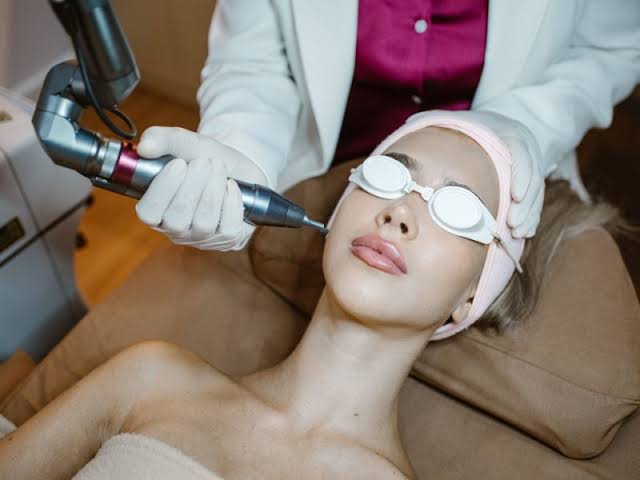
Pigmentation concerns can affect the appearance of the skin, creating uneven patches, dark spots, and differences in skin tone. These changes may develop gradually due to sun exposure, hormonal fluctuations, acne marks, or the natural ageing process. For people seeking a more balanced complexion, Pigmentation Treatment in Abu Dhabi offers different approaches designed to reduce the visibility of excess pigmentation and improve overall skin clarity.
Understanding how pigmentation treatments work can help individuals make informed decisions about their skincare goals. Different treatment methods target discoloration in different ways, depending on the type of pigmentation, its depth, and the individual’s skin characteristics. A personalized approach is important because not every dark spot responds to the same treatment.
What Causes Skin Pigmentation?
Skin pigmentation is primarily influenced by melanin, the natural pigment responsible for the colour of the skin, hair, and eyes. Melanin is produced by specialized cells called melanocytes. When these cells produce excess melanin or distribute it unevenly, darker patches may appear on the skin.
Sun exposure is a common contributor to pigmentation. Ultraviolet radiation stimulates melanin production as part of the skin’s natural protective response. Repeated exposure can contribute to sunspots, freckles, and uneven skin tone.
Hormonal changes may also influence pigmentation, particularly in conditions such as melasma. Acne, inflammation, and minor skin injuries can leave dark marks after the original concern has healed. These marks are often described as post-inflammatory hyperpigmentation.
The appearance, location, and depth of pigmentation can vary from person to person. Identifying the likely cause helps determine which treatment approach may be most appropriate.
How Does Pigmentation Treatment Work?
Pigmentation treatment works by targeting excess melanin, reducing the appearance of discoloured areas, or encouraging the skin to develop a more even-looking surface. The exact process depends on the technology or treatment method selected.
Some treatments focus on reducing pigment production, while others help remove pigment-containing cells from the skin’s surface. Certain procedures use concentrated light energy to target visible pigmented areas. Other approaches encourage skin renewal, allowing discoloured surface cells to shed gradually.
The objective is to improve the appearance of uneven pigmentation while respecting the skin’s natural barrier and individual characteristics. Results usually develop progressively rather than appearing immediately, and several sessions may be recommended depending on the concern.
Pigmentation Treatment in Abu Dhabi may involve different technologies and topical approaches selected according to the type of discoloration, skin tone, and desired outcome. An appropriate assessment helps establish realistic expectations and identify the most suitable treatment plan.
What Treatment Methods Are Used for Pigmentation?
Laser-Based Pigmentation Treatment
Laser treatments use concentrated light energy to target selected areas of excess pigment. Depending on the technology, the energy may be absorbed by pigment within the skin, helping break it into smaller particles that the body can gradually process.
Different laser systems operate at different wavelengths and depths. Some are designed for superficial pigmentation, while others may address selected deeper pigment concerns. The choice of technology depends on the pigmentation pattern and the individual’s skin characteristics.
Laser treatment is not equally suitable for every type of discoloration. Careful assessment is particularly important for darker skin tones because the skin’s response to energy-based procedures can vary. Treatment settings and the number of sessions should be selected according to individual needs.
Chemical Peels for Uneven Skin Tone
Chemical peels use carefully selected exfoliating ingredients to encourage the shedding of surface skin cells. By promoting controlled exfoliation, these treatments may help improve the appearance of superficial pigmentation, mild acne marks, and uneven texture.
The strength and formulation of a peel influence how deeply it works. Superficial peels generally focus on the outermost layers of the skin, while other formulations may act more deeply under appropriate professional supervision.
The suitability of a chemical peel depends on the pigmentation type, skin sensitivity, and history of discoloration. A gradual treatment approach may be preferred when the goal is to improve skin tone without unnecessarily irritating the skin.
Topical Treatments for Pigmentation
Certain professionally recommended topical ingredients help manage excess pigmentation by influencing melanin production, pigment transfer, or the process of skin renewal. Depending on the formulation, these products may gradually reduce the visibility of dark spots and support a more even complexion.
Topical approaches may be used independently or alongside selected procedures. Their effectiveness depends on the ingredient, concentration, consistency of use, and underlying cause of pigmentation.
A suitable skincare plan also considers the skin’s tolerance and existing routine. Introducing treatments appropriately can help maintain comfort and support more consistent results.
Is Pigmentation Treatment Suitable for Every Skin Type?
Pigmentation treatment can be adapted to many skin types, but the most appropriate method varies between individuals. Skin tone, sensitivity, pigmentation depth, and the cause of discoloration all influence treatment selection.
For example, melasma may require a different approach from sunspots or dark marks left by acne. Melasma can be influenced by hormonal factors and sunlight, making it a condition that may require ongoing management. Post-inflammatory pigmentation may gradually fade, although persistent marks can take considerable time to improve.
People with darker skin tones may need particular care when choosing laser treatments or chemical peels. Procedures that cause excessive irritation can sometimes trigger additional pigmentation, so treatment selection and settings are important.
A professional skin assessment helps distinguish between different pigmentation concerns and supports an individualized plan. It also helps establish whether a particular procedure is suitable for the person’s skin and expectations.
How Long Does Pigmentation Treatment Take to Show Results?
The time needed to notice improvement depends on the pigmentation’s cause, depth, and severity, as well as the treatment method used. Some superficial spots may become less noticeable after a few sessions, while deeper or hormonally influenced pigmentation may require a longer treatment period.
Topical approaches typically produce gradual changes over several weeks or longer. Laser procedures and chemical peels may also require multiple sessions, depending on the technology, the skin’s response, and the treatment objective.
It is important to understand that pigmentation does not always disappear completely. Some conditions respond well initially but may return when the factors contributing to them remain present. Melasma, for instance, can be persistent and may need long-term maintenance.
Progress is best evaluated over time by comparing changes in the appearance and distribution of the affected areas. Consistent follow-up allows the treatment plan to be adjusted according to the skin’s response.
How Can You Maintain Results After Pigmentation Treatment?
Maintaining improvements involves reducing exposure to factors that contribute to excess pigmentation. Sun protection is particularly important because ultraviolet radiation can stimulate melanin production and make existing dark spots more noticeable.
Broad-spectrum sunscreen, protective clothing, and limiting direct sun exposure can help support treatment results. These measures are especially relevant for people experiencing melasma or sun-related discoloration.
A consistent skincare routine can also help maintain skin balance. Gentle cleansing, suitable moisturization, and professionally recommended products may support the skin barrier while complementing pigmentation treatment.
Avoiding unnecessary irritation is another important consideration. Aggressive exfoliation or using several strong active ingredients at the same time may aggravate sensitive skin and contribute to further discoloration in some individuals.
Maintenance requirements vary according to the pigmentation type. Following an individualized plan can help preserve improvements and address recurring concerns early.
What Results Can You Expect From Pigmentation Treatment in Abu Dhabi?
The primary goal of pigmentation treatment is to make uneven areas less visible and create a more uniform-looking complexion. Depending on the treatment method, individuals may notice fading of dark spots, improved skin brightness, and a reduction in the contrast between pigmented areas and surrounding skin.
Results depend on the underlying cause and how the skin responds. Superficial pigmentation may be easier to improve than deeper or hormonally influenced discoloration. Some concerns require a combination of approaches rather than a single procedure.
Realistic expectations are essential. Treatment may significantly reduce the appearance of pigmentation without eliminating every mark. Protecting the skin from sunlight and following recommended maintenance measures can help support longer-lasting improvement.
With an appropriate assessment and a personalized approach, pigmentation treatment can form part of a broader plan for healthier-looking, more balanced skin.
Conclusion
Pigmentation treatment works by addressing excess melanin, encouraging skin renewal, or targeting visible pigment with selected technologies. The most appropriate method depends on the cause, depth, and appearance of the discoloration, along with the individual’s skin type and goals. Pigmentation Treatment in Abu Dhabi can help improve the appearance of dark spots and uneven skin tone when the approach is carefully selected. With realistic expectations, appropriate sun protection, and consistent maintenance, individuals can work toward a clearer and more balanced-looking complexion.
FAQs
How does pigmentation treatment remove dark spots?
Pigmentation treatment targets excess melanin or encourages the renewal of pigment-containing skin cells. Depending on the method, it may use laser energy, controlled exfoliation, or topical ingredients to gradually reduce the visibility of dark spots.
Is pigmentation treatment effective for melasma?
Certain treatments can help reduce the appearance of melasma, but results vary. Because hormonal influences and sunlight can contribute to its development, melasma often requires a tailored approach and continued maintenance.
How many sessions are needed for pigmentation treatment?
The number of sessions depends on the pigmentation’s depth, severity, and treatment method. Some concerns improve with a limited number of sessions, while persistent discoloration may require a longer course of treatment.
Can pigmentation treatment improve acne marks?
Yes, selected pigmentation treatments may help fade dark marks left behind by acne. The most suitable approach depends on whether the concern involves excess pigment, textural scarring, or a combination of both.
Is pigmentation treatment suitable for darker skin tones?
Some pigmentation treatments are suitable for darker skin tones, but careful selection is essential. The method and settings should be adapted to reduce the likelihood of irritation and additional discoloration.
Does pigmentation treatment provide permanent results?
Pigmentation treatment can produce lasting improvement, but permanent clearance cannot be guaranteed. Sun exposure, hormonal changes, and other contributing factors may cause discoloration to return.
How can I maintain my results after treatment?
Consistent sun protection, a suitable skincare routine, and following personalized maintenance recommendations can help preserve improvements. Avoiding unnecessary skin irritation is also important for maintaining a more even complexion.