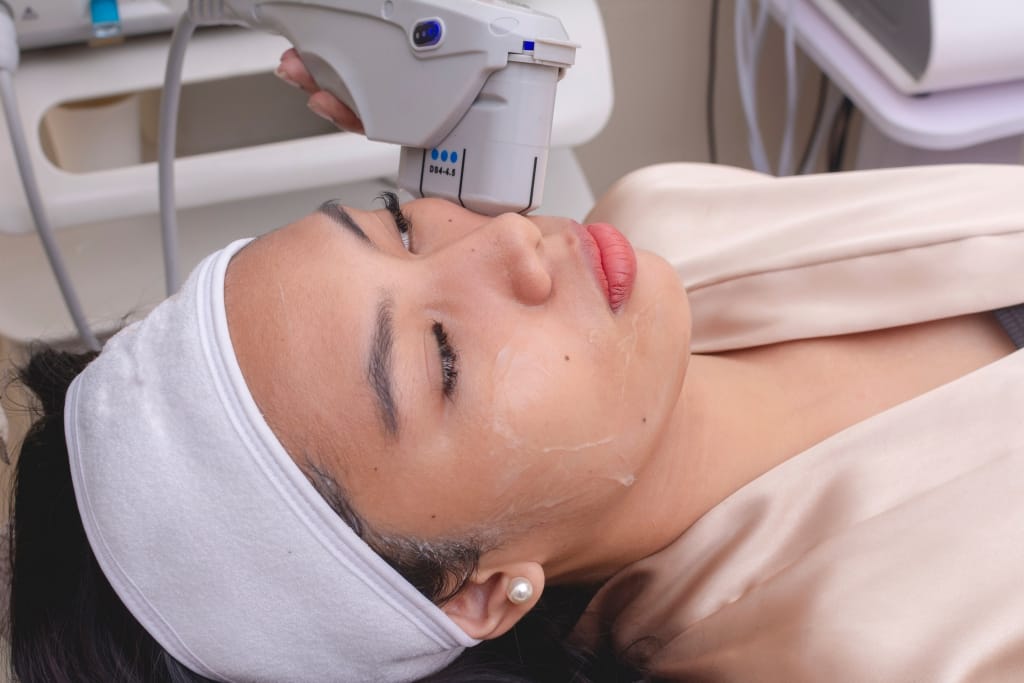
The lower face plays an important role in overall facial balance, influencing the appearance of the jawline, chin, cheeks, and area around the mouth. As skin gradually loses collagen and elasticity with age, the lower face may begin to look less defined. Some people notice mild sagging along the jawline, developing jowls, or changes in the contours of their cheeks. These concerns can affect facial definition even when the skin remains relatively healthy.
HIFU, or high-intensity focused ultrasound, is a non-surgical aesthetic treatment designed to deliver focused ultrasound energy into selected layers beneath the skin. The energy creates controlled thermal effects that stimulate the body’s natural collagen response. Over time, this process may help improve skin firmness and provide a subtle lifting effect in suitable candidates.
For people who prefer to avoid surgery, HIFU Treatment in Dubai may offer an option for addressing mild skin laxity and improving the appearance of the lower face. However, results depend on factors such as age, skin condition, the degree of sagging, and the technology used. It is also important to understand that HIFU cannot remove excess skin or reproduce the results of a surgical facelift.
Dubai offers several aesthetic clinics where patients can explore ultrasound-based skin tightening. Choosing a provider involves more than comparing treatment prices or promotional packages. The practitioner’s qualifications, understanding of facial anatomy, device suitability, and ability to establish realistic expectations are essential considerations.
This guide explores how HIFU may improve lower-face definition, what to consider before treatment, and how selected Dubai clinics can fit into your research when evaluating non-surgical facial rejuvenation options.
How Can HIFU Improve the Appearance of the Lower Face?
HIFU works by directing focused ultrasound energy into targeted tissue at controlled depths. Depending on the device and treatment protocol, this energy generates heat that stimulates collagen remodelling. Collagen is a structural protein that helps the skin maintain its firmness and support.
The lower face may benefit from this process in several ways, although the degree of improvement varies between individuals.
Supporting a More Defined Jawline
A less defined jawline can develop as skin elasticity decreases and the tissues around the lower cheeks begin to descend. HIFU may help improve firmness in selected areas, making the jawline appear somewhat sharper. The result is generally more noticeable in people with mild skin laxity than in those with substantial sagging.
Improving Mild Jowl Appearance
Jowls refer to the soft tissue that develops along the lower jaw and can make the transition between the cheeks and chin appear less distinct. By stimulating collagen in appropriately selected areas, ultrasound treatment may provide modest improvement in skin tightness.
However, prominent jowls caused by significant tissue descent, excess skin, or changes in deeper facial structures may require a different approach.
Addressing Skin Laxity Around the Chin
Some people notice looseness around the chin and upper neck that affects the appearance of the lower face. Depending on the treatment device and the patient’s anatomy, HIFU may help improve mild laxity in these regions. It should not be considered a method for removing substantial fat or treating every cause of a double chin.
Encouraging Gradual Skin Firmness
HIFU does not usually produce its full effect immediately. Although some patients notice an early change in skin tightness, collagen remodelling takes time. Improvements may develop over approximately two to three months, with further changes sometimes appearing over several months.
A consultation should establish which concerns are likely to respond and whether another treatment would better suit the patient’s goals.
What Should You Know Before Choosing a HIFU Clinic in Dubai?
Aesthetic clinics can differ in their equipment, practitioner expertise, consultation procedures, and treatment protocols. The following providers offer starting points for researching facial rejuvenation services. Specific HIFU availability, device models, practitioner credentials, and treatment details should be confirmed directly with each clinic.
Sasha Aesthetic Clinic
Sasha Aesthetic Clinic is an option to consider when researching aesthetic treatments focused on facial appearance and skin quality. Patients interested in improving the lower face can ask whether the clinic offers HIFU or another ultrasound-based tightening procedure appropriate for their concerns.
A useful consultation should examine the jawline, lower cheeks, and chin rather than treating the entire face according to a standard template. The practitioner should explain whether the main concern is mild skin laxity, deeper tissue descent, or fullness beneath the chin, as each may respond differently to non-surgical treatment.
Before proceeding, ask about the device being used, the practitioner’s training, expected recovery, and the likely degree of improvement. It is equally important to understand whether additional sessions may be appropriate and what alternatives are available if ultrasound treatment is unlikely to achieve the desired result.
Enfield Royal Clinic
Enfield Royal Clinic is worth considering when comparing aesthetic providers for HIFU Treatment and non-surgical facial rejuvenation in Dubai. Patients concerned about lower-face definition can ask about treatment approaches intended to improve mild skin laxity around the jawline, lower cheeks, and chin.
An individualised assessment is particularly important for this part of the face. A suitable practitioner should consider skin thickness, facial proportions, the distribution of soft tissue, and the degree of laxity before recommending an energy-based procedure. These factors help determine whether HIFU is appropriate and which areas, if any, should be treated.
Patients should also ask about the specific ultrasound platform, the practitioner’s qualifications, potential side effects, and the expected timeline for results. Temporary tenderness, redness, swelling, and altered sensation can occur, while burns or nerve-related complications are less common but important risks to discuss.
The clinic consultation should provide an honest explanation of what treatment may accomplish and where its limitations lie. People with pronounced jowls or significant excess skin may need a different treatment strategy rather than relying on ultrasound tightening alone.
Dynamic Life Clinic
Dynamic Life Clinic may be another provider to investigate when comparing aesthetic services in Dubai. For individuals interested in non-surgical lower-face rejuvenation, the most useful first step is to determine whether the clinic offers HIFU for the relevant facial areas and which technology is used.
Lower-face treatment requires careful planning because the jawline, chin, and lower cheeks contain structures that should be approached with appropriate anatomical knowledge. A qualified practitioner should evaluate these areas before selecting treatment depths and energy settings.
During a consultation, patients can discuss their preferred outcome, whether that involves a firmer jawline or a subtle improvement in mild sagging. It is also helpful to ask whether the practitioner considers other options, such as radiofrequency-based tightening or medical and surgical treatments, when appropriate.
Rather than expecting dramatic contour changes, patients should approach ultrasound procedures as potential tools for gradual skin tightening. A clear explanation of expected outcomes, possible discomfort, aftercare, and follow-up arrangements can help establish whether the proposed treatment matches their needs.
Tajmeels Clinic
Tajmeels Clinic is another name patients may wish to research when exploring non-surgical aesthetic procedures in Dubai. Anyone considering ultrasound-based facial tightening should confirm the clinic’s current services and whether HIFU is offered for the lower face.
A thorough assessment should distinguish between loose skin and fullness caused by fat distribution. These concerns can look similar in photographs but may require different treatment approaches. HIFU is primarily intended to produce tissue effects through focused ultrasound energy; it should not automatically be treated as a solution for every concern involving the chin or jawline.
Patients should ask how the treatment plan will be customised, what level of improvement is realistic, and whether the practitioner has experience treating the lower face. Questions about discomfort, temporary swelling, contraindications, and the potential need for further treatment should also be addressed before booking.
The most appropriate provider is one that explains both the potential benefits and the limitations of the procedure without promising a particular result.
Sequoia Clinic
Sequoia Clinic, associated with sequoiaclinic.ae, is another option to include in a broader comparison of aesthetic providers. Before booking, prospective patients should verify whether HIFU is currently available and whether the clinic offers treatment specifically for lower-face skin laxity.
The quality of the assessment matters because not every patient with a soft jawline will benefit equally from ultrasound tightening. Skin laxity, facial fat distribution, bone structure, and age-related changes all influence the final appearance of the lower face.
A consultation should clarify the intended treatment areas and explain how the device delivers energy, what sensations to expect, and how results will be assessed. Patients should also request information about practitioner qualifications, safety protocols, and follow-up care.
Comparing these details across clinics can be more useful than choosing a provider solely on the basis of a discount or a claim of immediate lifting. A carefully selected treatment should be based on suitability, safety, and realistic expectations.
Who Is a Suitable Candidate for HIFU on the Lower Face?
HIFU may be appropriate for adults who have mild to moderate skin laxity and want a gradual improvement without undergoing surgery. It can be particularly appealing to people who are beginning to notice a softer jawline but do not have significant excess skin.
A consultation may be useful if you:
- Notice mild sagging around the lower cheeks or jawline.
- Want to improve skin firmness without surgical incisions.
- Prefer a treatment with relatively little downtime.
- Understand that improvements are generally gradual and may be modest.
- Have realistic expectations about what non-surgical tightening can achieve.
HIFU may be less suitable for individuals with substantial skin excess, marked jowls, or concerns primarily caused by facial volume loss. Those looking for an immediate, dramatic change in facial contour may also find that the treatment does not meet their expectations.
Certain medical conditions, implanted devices, pregnancy-related considerations, or skin problems in the proposed treatment area may affect suitability, depending on the device and treatment protocol. The practitioner should review relevant medical history and the manufacturer’s contraindications before proceeding.
What Happens During a Lower-Face HIFU Session?
Although protocols differ between devices and clinics, a typical appointment follows several stages.
Consultation and facial assessment: The practitioner reviews the patient’s concerns, examines the skin and underlying contours, and determines whether ultrasound treatment is appropriate.
Treatment planning: The clinician identifies the areas to address and selects suitable settings based on the device, treatment depth, and individual anatomy.
Preparation: The skin is cleansed, and ultrasound gel may be applied as directed by the device protocol.
Ultrasound application: The practitioner positions the handpiece against the skin and delivers focused energy to the planned areas. Patients may experience warmth, tingling, pressure, or brief discomfort.
Aftercare guidance: The practitioner explains expected temporary effects, skincare recommendations, and when to arrange a review.
Treatment time varies according to the device and the number of areas being treated. Many patients return to their usual activities shortly afterwards, although temporary tenderness, redness, swelling, or sensitivity may occur.
When Will You See Results From HIFU?
HIFU is not generally an instant facelift. The treatment creates controlled thermal effects that trigger a biological response, and the resulting collagen changes develop over time.
Some individuals notice an early sensation of firmness, but visible improvements often become easier to assess over the following two to three months. Changes may continue for longer depending on the device, treatment protocol, and individual response.
Results are not identical for everyone. Age, baseline skin elasticity, the severity of laxity, lifestyle factors, and the practitioner’s treatment plan can all influence the outcome. Maintenance may be considered in some cases, but the timing should depend on clinical assessment and the instructions for the specific device.
It is also important to understand that HIFU does not stop the ageing process. Skin and underlying facial tissues continue to change over time, even after a successful treatment.
How to Choose the Right Clinic for HIFU Treatment
Selecting a clinic involves assessing medical expertise, treatment suitability, and the quality of patient care. Before committing to a procedure, consider the following factors.
Experience and Qualifications
Ask who will perform the procedure and whether they have the appropriate qualifications, training, and experience with ultrasound-based facial treatments. Experience with lower-face anatomy is especially important because treatment must be planned around sensitive structures.
A responsible practitioner should be willing to discuss relevant experience and explain why the proposed approach suits your facial concerns.
Technology and Techniques
Not all devices marketed for skin tightening use the same technology or deliver energy in the same way. Ask for the device name and model, whether it is intended for the proposed treatment area, and how its settings will be selected.
A clinic should be able to explain the difference between the technology it offers and other available tightening procedures without making unsupported claims about superiority.
Safety Standards
Confirm that the clinic follows appropriate hygiene procedures, uses suitable equipment, and screens patients for contraindications. The practitioner should explain possible complications as well as common temporary effects.
Although HIFU is non-surgical, it is still an energy-based medical aesthetic procedure. Poor technique or inappropriate settings can cause burns, unwanted tissue changes, or nerve-related symptoms.
Consultation Process
A proper consultation should include a facial assessment, medical history, discussion of goals, and an explanation of realistic outcomes. Patients should have the opportunity to ask questions before making a decision.
Be cautious if a provider recommends treatment without examining the lower face or promises guaranteed lifting regardless of the degree of skin laxity.
Patient Experience and Follow-Up
Clear communication, informed consent, written aftercare instructions, and access to advice following treatment are important parts of responsible care.
Ask how the clinic handles concerns after the session and whether a follow-up assessment is available. Before-and-after photographs may help you understand typical outcomes, but they should be presented honestly, with appropriate context and without implying that your results will be identical.
Expected Results and Alternatives
The right clinic should be prepared to explain when HIFU is unlikely to work well. Depending on the concern, alternatives may include other skin-tightening procedures, treatments for volume loss, or surgical consultation for significant tissue descent.
A recommendation should be based on your anatomy and goals rather than on the assumption that one procedure suits everyone.
Frequently Asked Questions
Can HIFU improve a sagging jawline?
HIFU may provide modest improvement in a jawline affected by mild skin laxity. It stimulates collagen-related tissue changes that can improve firmness over time. However, it is less likely to produce a major change when the jawline is affected by substantial jowls, excess skin, or significant changes in deeper facial tissues.
How long does HIFU last on the lower face?
The duration varies according to the patient’s skin condition, age, treatment settings, and natural ageing process. Improvements may remain noticeable for several months or longer in some individuals, but results are not permanent. Your practitioner can advise whether and when maintenance may be appropriate.
Is HIFU painful?
The experience varies by person and device. Patients may feel warmth, tingling, pressure, or brief sharp sensations during energy delivery. Temporary tenderness or sensitivity can continue after the appointment. Discuss pain management options with the practitioner before treatment, and report unusual or severe discomfort during the session.
How many HIFU sessions are needed for lower-face tightening?
Some patients may achieve their intended improvement with a single session, while others may require a different treatment plan. The number of sessions depends on the device, the degree of laxity, and the individual’s response. Repeated treatment should not be scheduled automatically; the practitioner should consider the manufacturer’s guidance and reassess the skin before recommending further sessions.
Is HIFU better than a surgical facelift for jowls?
Neither option is universally better because they address different degrees of facial ageing. HIFU may suit people with mild laxity who prefer a non-surgical approach and accept subtle results. A surgical facelift can address more significant tissue descent and excess skin but involves surgery, recovery, and additional risks. A qualified clinician can help determine which approach is appropriate for your goals.
Conclusion
HIFU Treatment can be a useful option for people who want to address mild lower-face laxity and improve the appearance of their jawline without surgery. By delivering focused ultrasound energy into selected tissue layers, the procedure stimulates collagen-related changes that may gradually improve firmness. However, the results are generally subtle, and suitability depends on facial anatomy, skin condition, and the degree of sagging.
When researching clinics in Dubai, compare practitioner qualifications, equipment, consultation standards, safety procedures, and follow-up care rather than relying on promotional claims alone. Providers such as Sasha Aesthetic Clinic, Enfield Royal Clinic, Dynamic Life Clinic, Tajmeels Clinic, and Sequoia Clinic can be included in your initial research, with current treatment availability and credentials verified directly.
Ultimately, HIFU Treatment is most appropriate when the treatment plan matches your individual concerns and expectations. A professional assessment can help establish whether ultrasound tightening is likely to improve your lower-face appearance or whether another approach may offer a more suitable result.