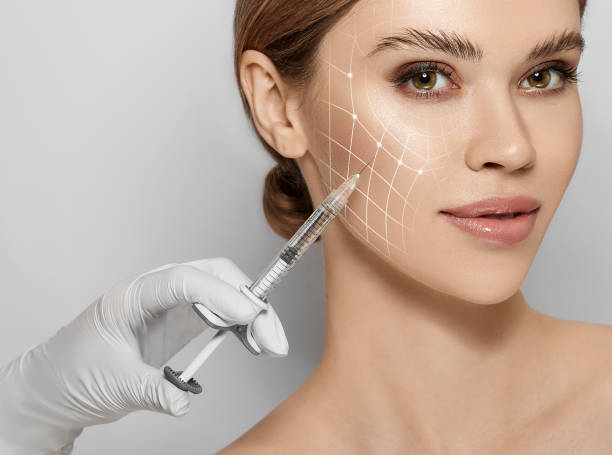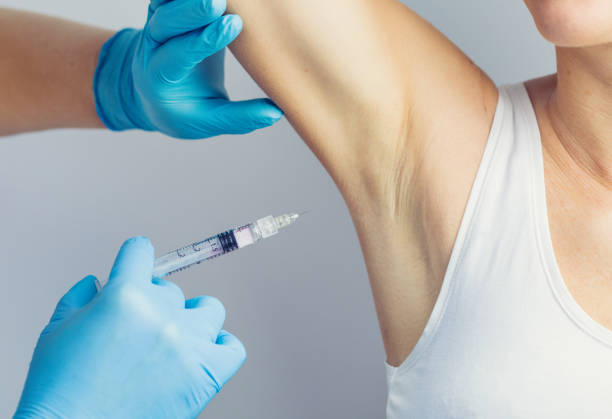
Excessive sweating can feel frustrating when it interrupts everyday routines, clothing choices, or social plans. Botox Injections for Sweaty Glands in Abu Dhabi are a treatment option that can reduce sweating in a targeted area. The injections work by temporarily interrupting the nerve signals that activate sweat glands, rather than removing the glands themselves.
Understanding Excessive Sweating
Sweating is the body’s normal way of regulating temperature. It can increase during exercise, warm weather, stress, or illness. In some people, however, certain areas sweat more than the body needs for cooling. This may happen even when a person is resting or in a cool environment.
This pattern is often called hyperhidrosis. It commonly affects the underarms, palms, soles, or face. The amount of sweating and the areas involved vary from person to person, so an assessment helps determine whether injections may be appropriate.
How Botox Targets Sweat Glands
Botox is a purified form of botulinum toxin used in small, controlled amounts for several medical and cosmetic purposes. For excessive sweating, it acts on the communication between nearby nerves and sweat glands.
Blocking the Signal That Triggers Sweat
Nerves release a chemical messenger called acetylcholine to signal certain sweat glands to produce sweat. Botox temporarily reduces the release of this messenger at the treated area. With fewer signals reaching the glands, they produce less sweat.
The treatment does not switch off the body’s ability to sweat everywhere. Its effect is limited to the area where the injections are placed. Other parts of the body continue to sweat and help regulate temperature.
Treating a Specific Area
The treatment area is identified before injections are given. For underarm sweating, for example, the area may be mapped so the injections can be placed evenly. The approach can differ for palms, soles, or other areas because skin sensitivity and treatment needs are not the same everywhere.
What Happens During Treatment?
A qualified healthcare professional first discusses the person’s sweating pattern, health history, and treatment goals. They may examine the area and use a simple assessment to identify where sweating is most active.
The skin is cleaned before a series of small injections is placed across the treatment area. The appointment is generally completed in a clinical setting, and the person can usually return to regular activities afterward, following the clinician’s guidance. The exact process depends on the area being treated and the individual’s needs.
When Results May Appear and How Long They Last
Sweating usually decreases gradually rather than immediately. Some people notice a change within a few days, while the full effect may take around two weeks to become clear. Results vary, and they are temporary because nerve activity gradually returns.
The reduction in sweating may last for several months. The duration can differ according to the treatment area, the person’s response, and other individual factors. A follow-up discussion can help assess the result and whether another treatment session may be suitable.
Who May Consider This Treatment?
Botox injections may be considered by people whose sweating is persistent and affects daily comfort or confidence. A clinician can help determine whether the pattern is consistent with excessive sweating and whether another health issue needs attention.
The treatment may not be suitable for everyone. A full review of medical history, medicines, and the area involved helps support an informed decision. People should share relevant health information openly and ask questions before proceeding.
Questions to Discuss Before Treatment
A consultation gives the person a chance to understand the expected process and set realistic expectations. Useful topics include:
- Which areas can be treated
- How the treatment area will be assessed
- When a change in sweating may become noticeable
- How long the effect may last
- Whether the person’s health history affects suitability
- What follow-up may be recommended
Frequently Asked Questions
Does Botox stop sweating throughout the body?
No. The injections reduce sweating mainly in the treated area. Sweat glands elsewhere remain active, allowing the body to continue its normal temperature regulation.
Is the treatment permanent?
No. The effect is temporary. Nerve signals gradually return, and sweating may increase again over time. A clinician can discuss whether repeat treatment is appropriate.
How soon can someone notice a difference?
A gradual reduction may begin within several days. The full effect can take about two weeks, although timing varies between individuals.
Can different areas be treated?
Treatment may be considered for areas such as the underarms, palms, soles, or face. Suitability and technique depend on the location, the person’s symptoms, and a professional assessment.
Does everyone respond in the same way?
No. Results differ from person to person. The amount of sweating, treatment area, and individual response can all influence how noticeable and long-lasting the reduction is.
A Targeted Option for Sweating
Botox injections work by temporarily reducing the nerve signals that prompt sweat glands in a specific area to produce sweat. They do not remove the glands or prevent sweating across the entire body. A professional assessment can clarify whether this targeted approach fits the person’s symptoms, health history, and expectations.