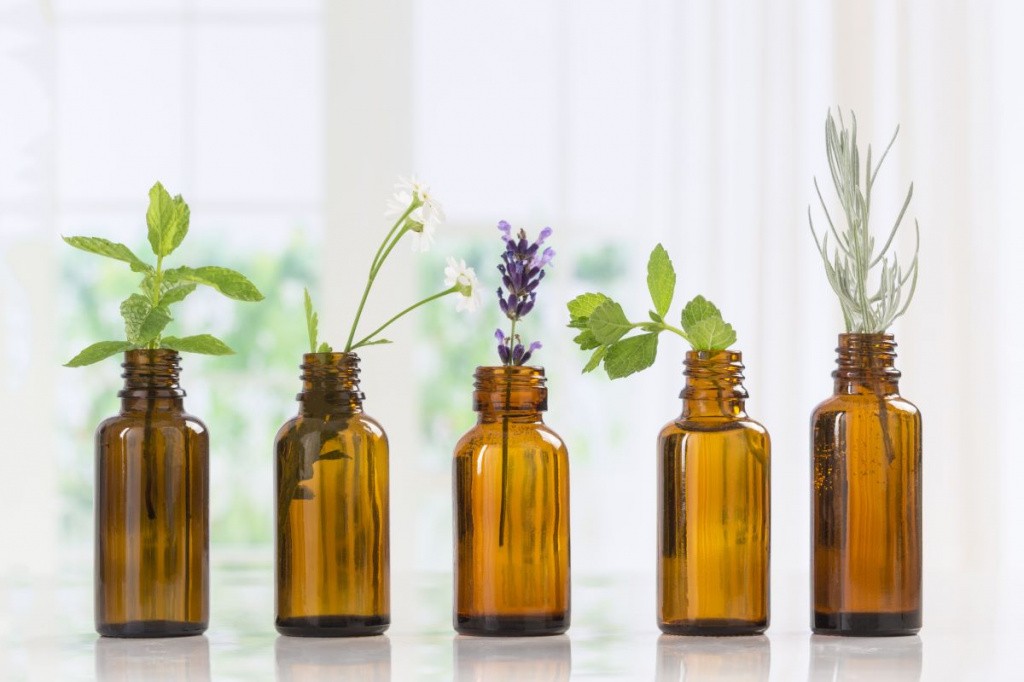
Few wellness products spark as much enthusiasm as essential oils. They fill diffusers in living rooms, appear in skincare labels, and sit beside beds as part of nightly routines. The appeal is understandable, since the scents are pleasant and the traditions behind them stretch back centuries. Yet enthusiasm and evidence are not the same thing. Knowing what essential oils can realistically offer, and where caution is needed, makes them far easier to enjoy well.
What Essential Oils Are
Essential oils are concentrated aromatic liquids drawn from flowers, leaves, bark, roots, resins, or fruit peels. Most are produced by steam distillation, while citrus oils are typically cold-pressed from the rind. A small bottle may require a surprising quantity of plant material, which explains why genuine oils cost more than synthetic fragrance products.
They should not be confused with carrier oils such as jojoba, sweet almond, or olive oil. Carrier oils are fatty oils used to dilute essential oils for skin use. Essential oils are potent aromatic substances, not cooking ingredients or everyday moisturizers.
Why Scent Shapes Mood
Aromatherapy rests on a real physiological link. Smell signals travel directly to the limbic system, the brain region involved in emotion and memory. That is why a familiar fragrance can calm you or bring back a memory within seconds.
Lavender, chamomile, and bergamot are popular for relaxation, while peppermint, lemon, and rosemary are often chosen for alertness. Research suggests small, short-term benefits for stress, mild anxiety, and sleep quality in some people. Many studies are small and difficult to blind, since participants can smell what they receive, so results should be read with caution.
Where the Evidence Is Reasonable
Some uses have better support than others. Lavender has been studied for relaxation and sleep, and tea tree oil shows antimicrobial activity that supports its use in products for minor skin concerns when properly diluted. Peppermint aroma is commonly used for mental fatigue and queasiness, although findings vary between studies. Aromatherapy works best as a comfort practice that complements healthy habits, not as a replacement for medical care.
Where Claims Go Too Far
Marketing often runs ahead of science. Claims that essential oils cure infections, detoxify the body, treat serious disease, or replace prescribed medication are not backed by reliable clinical evidence. Swallowing essential oils for health reasons is especially risky, as some can harm the liver, stomach, or nervous system. Phrases like “therapeutic grade” or “medical grade” have no universal regulatory definition, so they describe marketing rather than a verified standard.
Safety Essentials
Natural does not mean harmless. Concentrated oils can cause skin irritation, allergic reactions, and, in the case of some citrus oils, increased sensitivity to sunlight. Certain oils are unsuitable during pregnancy, around infants, or for people with asthma, and several are toxic to cats and dogs.
Sensible habits include:
- Diluting essential oils in a carrier oil before any skin contact
- Patch testing on a small area and waiting for a reaction
- Keeping oils away from eyes, ears, and broken skin
- Storing bottles tightly closed and out of reach of children and pets
- Consulting a healthcare professional during pregnancy, breastfeeding, or medication use
Trends Shaping Essential Oils Today
Interest in essential oils is changing in ways that favor transparency and restraint:
- Sleep routines that pair calming scents with consistent bedtime habits
- Simple single-oil use replacing complicated blends
- Demand for botanical names, origin details, and clear labeling
- Concern about sustainable sourcing of overharvested plants
- Stronger focus on pet and child safety
Choosing and Storing Quality Oils
The label is your best guide. Look for the botanical name, such as Lavandula angustifolia, the plant part used, country of origin, and extraction method. Be wary of “fragrance oil” or “perfume oil,” which usually indicates synthetic content. Dark glass bottles protect the contents from light, and a cool, dark cupboard slows oxidation. Smaller bottles you will use within a year or so are usually wiser than large stockpiles.
Starting Simply
Diffusion is the lowest-risk way to begin. A few drops in a diffuser for twenty to thirty minutes in a ventilated room is plenty for most spaces. Choose one familiar oil, observe how you feel, and adjust gradually. Running a diffuser all day is unnecessary and may cause headaches or irritation for some people.
A Grounded Final Word
Essential oils deserve neither blind faith nor dismissal. They offer genuine sensory pleasure and modest, reasonably documented benefits for relaxation and comfort, but they remain concentrated substances that demand respect. With realistic expectations, proper dilution, and careful buying, essential oils can be a pleasant, low-risk part of everyday life.