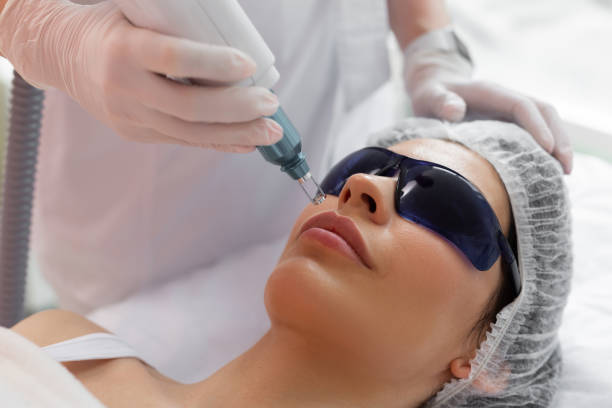
Bright, radiant skin often has a more even tone, a smooth texture, and a healthy-looking appearance. However, factors such as sun exposure, pigmentation, acne marks, and natural changes in the skin can make the complexion appear dull or uneven. Many people exploring Pico Laser Treatment in Abu Dhabi want to understand how this advanced laser procedure can help restore a clearer, more luminous appearance. Pico laser treatment uses ultra-short laser pulses to target selected pigment deposits in the skin, helping the body gradually clear fragmented pigment. By addressing certain forms of discoloration, the treatment can improve the appearance of uneven skin tone and support a brighter-looking complexion.
What Is Pico Laser Treatment?
Pico laser treatment is a non-surgical cosmetic procedure that uses picosecond laser technology to deliver energy in extremely short pulses. These pulses interact with targeted pigment in the skin, breaking it into smaller particles that the body can gradually process and eliminate. The technique is commonly used to address selected pigmentation concerns, including certain sunspots, freckles, and uneven areas of discoloration.
Unlike treatments that primarily focus on removing the outer skin layer, pico laser technology relies substantially on a photoacoustic effect to fragment pigment. This makes it a useful option for specific concerns involving unwanted pigmentation. Depending on the device and treatment settings, it may also be used for selected tattoo pigments and certain textural concerns.
The exact outcome depends on the type of pigmentation, the individual’s skin characteristics, and the laser settings selected for the treatment.
How Does Pico Laser Treatment Improve Skin Brightness?
Pico laser treatment can improve skin brightness by targeting excess pigment that contributes to a patchy or uneven complexion. When melanin accumulates in certain areas, it can create dark spots, brown patches, and visible differences in skin tone. These areas may make the complexion appear less luminous, even when the surrounding skin is healthy.
The laser delivers short pulses of energy that help break targeted pigment into smaller particles. The body’s natural processes then gradually clear these particles over time. As the appearance of selected dark spots diminishes, the skin may look more balanced and radiant.
It is important to understand that brightness does not mean changing the skin’s natural color. The primary goal is to improve uneven pigmentation and help the complexion appear clearer and more uniform. Results vary according to the underlying cause of discoloration and the skin’s response to treatment.
Can Pico Laser Treatment Reduce Dark Spots and Pigmentation?
Dark spots are among the common reasons people consider pico laser treatment. They may develop following sun exposure, hormonal changes, inflammation, or the natural aging process. When pigment becomes concentrated in particular areas, it can create a spotted or uneven appearance.
Pico laser technology may help reduce selected forms of pigmentation by targeting melanin within the affected areas. Sunspots and certain superficial pigmented lesions may respond well when the treatment is appropriately selected. As the targeted pigment gradually clears, the contrast between darker spots and the surrounding skin may become less noticeable.
However, not every pigmentation concern has the same cause. Conditions such as melasma can be influenced by hormonal factors, genetics, and environmental exposure, making their management more complex. A careful skin assessment is essential to determine whether pico laser treatment is suitable and what level of improvement may be realistic.
How Does Pico Laser Treatment Help With Acne Marks?
Acne marks can leave behind brown or dark patches even after active breakouts have disappeared. These marks, often called post-inflammatory hyperpigmentation, develop when inflammation stimulates increased melanin production in the affected areas. Their presence can make the complexion appear uneven and reduce its overall brightness.
Pico laser treatment may help improve certain forms of persistent pigmentation by targeting excess pigment within the skin. As the discoloration gradually becomes less visible, the complexion may look clearer and more uniform.
However, dark acne marks differ from indented or raised acne scars. Pigmented marks involve changes in skin color, whereas structural scars involve changes in the skin’s surface and underlying tissue. Pico laser treatment may address selected pigment-related concerns, but deeper textural scars can require a different approach. Identifying the type of acne mark is therefore an important part of choosing an appropriate treatment.
Can Pico Laser Treatment Improve Dull-Looking Skin?
A dull-looking complexion can result from several factors, including uneven pigmentation, rough texture, and accumulated environmental damage. When dark spots and discoloration create visible differences across the face, the skin may appear less radiant than desired.
Pico laser treatment can help improve brightness when excess pigment is a major contributor to that uneven appearance. By reducing selected pigmented areas, it may create a more balanced visual effect across the complexion. Some pico laser devices and treatment protocols are also used to address selected textural concerns, although these outcomes depend on the technology and settings involved.
The procedure is not a universal solution for every cause of dullness. If the primary concern is related to dryness, texture, or another skin condition rather than excess pigment, a different treatment strategy may be more appropriate. Understanding the source of the concern helps establish realistic expectations.
How Many Pico Laser Sessions Are Needed for Brighter Skin?
The number of sessions required depends on the type, depth, and extent of pigmentation, as well as the individual’s response to treatment. Some superficial pigmented spots may show improvement after a limited number of sessions, while more persistent or widespread discoloration may require a carefully planned course of treatment.
Pico laser treatment does not produce identical results for everyone. The laser wavelength, energy settings, treatment area, and nature of the pigmentation all influence the outcome. Allowing appropriate intervals between sessions gives the skin time to respond and makes it easier to assess progress.
Rather than focusing on achieving brightness as quickly as possible, treatment planning should prioritize gradual, suitable improvement. A qualified professional can recommend an approach based on the skin’s condition and the type of pigmentation being addressed.
Who Is a Suitable Candidate for Pico Laser Treatment?
Pico laser treatment may be appropriate for individuals who want to improve selected dark spots, sun-related pigmentation, acne marks, or uneven skin tone. Suitability depends on the cause of discoloration, the individual’s skin type, and the characteristics of the treatment area.
People with darker skin tones require particularly careful treatment planning because pigment-producing cells may respond differently to laser energy. Certain pigmentation conditions may also need specialized management rather than laser treatment alone.
An individual assessment helps establish whether pico laser technology is appropriate and which settings may best suit the skin. It also helps distinguish pigment concerns that may respond to treatment from those that need a different approach.
How Can You Maintain a Brighter-Looking Complexion After Treatment?
Maintaining a more even complexion involves addressing the factors that contribute to recurring pigmentation. Sun exposure is particularly important because ultraviolet radiation can stimulate melanin production and encourage existing dark spots to become more noticeable.
Consistent sun protection, including suitable broad-spectrum sunscreen and protective clothing, can help reduce further sun-related discoloration. Following the personalized aftercare instructions provided for the procedure also supports appropriate skin recovery.
It is equally important to recognize that pico laser treatment does not permanently prevent pigmentation from returning. Hormonal influences, inflammation, and environmental exposure may continue to affect the skin. Long-term results depend on the underlying condition and how well its contributing factors are managed.
Final Thoughts
Pico laser treatment can help improve skin brightness by targeting selected forms of excess pigmentation that make the complexion appear uneven. Its ultra-short laser pulses fragment pigment, allowing the body’s natural processes to gradually clear it. This may help reduce the visibility of dark spots, certain acne marks, and some forms of sun-related discoloration.
The best results depend on identifying the cause of pigmentation and selecting an appropriate treatment approach. Pico laser treatment is not designed to change natural skin color or address every possible cause of dullness. With realistic expectations, professional assessment, and consistent sun protection, it may be a useful option for achieving a clearer and more balanced-looking complexion.
FAQs
How does pico laser treatment make skin brighter?
It targets selected excess pigment, helping reduce dark spots and improve the appearance of uneven skin tone.
Can pico laser treatment remove dark spots?
It may reduce certain dark spots, including selected sunspots and superficial pigmentation, depending on their cause and depth.
Is pico laser treatment effective for acne marks?
It may improve brown or dark acne marks caused by excess pigment, but structural acne scars may need another approach.
How many pico laser sessions are needed?
The number varies according to the pigmentation concern, skin type, and individual response to treatment.
Does pico laser treatment change natural skin color?
Its goal is to improve selected pigmentation concerns and create a more even-looking complexion, not to change the skin’s natural color.