Introduction
Sensitive skin requires special attention when choosing aesthetic treatments, particularly those that use laser technology. People with sensitive skin may experience redness, dryness, tightness, or irritation when exposed to certain skincare procedures. Pico laser treatment is a modern laser technology designed to address various skin concerns, including pigmentation, uneven skin tone, dark spots, and acne marks. For individuals considering Pico Laser Treatment in Abu Dhabi, understanding how this procedure works and whether it suits sensitive skin can help them make an informed decision. The treatment uses extremely short laser pulses to target specific skin concerns while aiming to minimize unnecessary heat exposure to surrounding tissues. However, suitability depends on individual skin sensitivity, the condition being treated, and the settings selected during the procedure.
Understanding Pico Laser Treatment
Pico laser treatment uses picosecond technology, which delivers laser energy in exceptionally short pulses. These pulses target specific pigment particles in the skin and help break them into smaller fragments that the body gradually processes. Depending on the laser system and treatment approach, the procedure may also be used to address certain concerns related to skin texture and acne marks.
Unlike some traditional laser technologies that rely more heavily on prolonged heat exposure, picosecond lasers deliver energy over an extremely short duration. This approach can help limit thermal effects in surrounding tissues, although it does not eliminate the possibility of irritation. The treatment must be adjusted according to the individual’s skin characteristics, pigmentation, and sensitivity.
Pico laser treatment is not a single approach for every skin concern. Different wavelengths, energy levels, and treatment techniques may be used depending on the desired outcome. For sensitive skin, these factors are especially important because an unsuitable treatment plan may cause unnecessary discomfort or irritation.
Is Pico Laser Treatment Suitable for Sensitive Skin?
Pico laser treatment may be suitable for some individuals with sensitive skin, provided that their skin condition is carefully evaluated before treatment. Sensitivity alone does not automatically prevent someone from receiving a laser procedure. However, the underlying reason for the sensitivity plays an important role in determining whether treatment is appropriate.
People whose skin occasionally becomes red or feels tight may have different needs from those experiencing persistent inflammation, active skin conditions, or a weakened skin barrier. If the skin is already irritated, a laser procedure may intensify the existing discomfort. In such situations, addressing the underlying problem before considering an aesthetic treatment may be more appropriate.
A personalized assessment helps determine whether the procedure is suitable and which treatment parameters may be appropriate. The goal is to address the intended skin concern without placing unnecessary stress on the skin. Individuals should understand that even carefully adjusted laser treatments can produce temporary redness or sensitivity.
How Pico Laser Technology May Benefit Sensitive Skin
One potential advantage of picosecond laser technology is its delivery of energy in very short pulses. This can reduce the duration of heat exposure compared with certain conventional laser approaches. For selected skin concerns, this characteristic may make the treatment a useful option when appropriate settings and techniques are used.
Pico laser treatment can be considered for specific pigmentation concerns, including selected dark spots and uneven areas of skin tone. By targeting pigment, the treatment may gradually improve the appearance of discoloration over a series of sessions when recommended. The results depend on the type of pigmentation, its depth, the individual’s skin characteristics, and the treatment plan.
However, reduced heat exposure does not mean that sensitive skin will always tolerate the procedure comfortably. Laser energy still interacts with the skin, and the response varies from person to person. The most suitable approach depends on careful evaluation rather than relying on the technology alone.
Skin Concerns That May Be Addressed
Sensitive skin can also experience pigmentation, uneven tone, and changes in texture. These concerns may become more noticeable when the skin reacts to environmental conditions or cosmetic products. Pico laser treatment may help address certain pigmentation-related issues when the skin is healthy enough for the procedure.
Dark spots caused by sun exposure or other forms of pigmentation may be considered for treatment following an appropriate assessment. Some types of acne marks may also benefit from selected laser techniques. Nevertheless, not every dark mark or acne scar responds in the same way, and some conditions require a different treatment approach.
People with persistent facial redness, visible irritation, or unexplained skin changes should receive an appropriate evaluation before proceeding. Redness caused by an underlying skin condition is different from pigmentation, and a laser designed to target pigment may not address the actual cause. Identifying the concern correctly is essential for choosing a suitable procedure.
The Importance of a Skin Assessment Before Treatment
A professional skin assessment is particularly important for individuals who describe their skin as sensitive. During the consultation, the skin’s current condition, medical history relevant to the procedure, previous reactions to aesthetic treatments, and the nature of the targeted concern should be reviewed.
The assessment should establish whether the skin barrier appears healthy and whether there are signs of active irritation or inflammation. Recent exposure to intensive skincare treatments may also influence the decision. If the skin is not in an appropriate condition, postponing the procedure may be recommended.
The treatment plan should account for skin tone, pigmentation patterns, sensitivity, and the specific laser technology available. Selecting suitable parameters is important because excessive energy or an unsuitable approach may increase irritation. A cautious plan should prioritize skin health alongside the desired cosmetic outcome.
What to Expect During Pico Laser Treatment
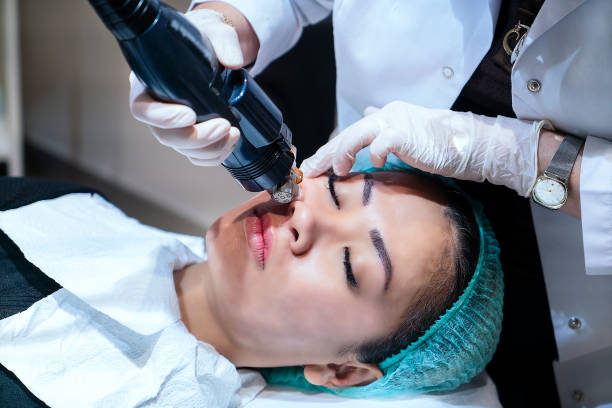
The experience of Pico laser treatment varies according to the treatment area, laser settings, and individual sensitivity. The skin is prepared according to the procedure protocol, and protective measures are used as appropriate. The laser device is then applied to the targeted area.
Some individuals describe the sensation as brief snapping or tingling, while others may experience greater discomfort. Sensitive skin can respond differently, so the intensity of the sensation cannot be predicted precisely for every person. Any unusual discomfort should be communicated during the procedure so that the treatment can be reassessed.
Following treatment, temporary redness or a feeling of warmth may occur. The duration and intensity of these responses vary. Individuals with sensitive skin should receive clear aftercare instructions suited to their procedure and skin condition, including guidance about sun protection and when to resume their usual skincare products.
Preparing Sensitive Skin for Treatment
Preparation begins with understanding the skin’s current condition. The treatment provider should be informed about previous reactions to lasers, ongoing skin concerns, recent procedures, and products that have caused irritation. This information helps determine whether the procedure is appropriate.
The skin should not be treated as though every sensitivity concern is identical. For example, temporary dryness may require a different assessment from persistent inflammation or a diagnosed skin condition. A treatment plan should reflect these differences rather than applying the same settings to every individual.
Individuals should follow the preparation guidance provided for their specific procedure. Any recommended changes to skincare products should be discussed with the treating professional, particularly when those products are prescribed or form part of an established skin-management plan.
Aftercare and Skin Recovery
Aftercare is an important part of achieving a satisfactory treatment experience, especially for sensitive skin. The skin may temporarily feel warmer, appear red, or feel more delicate after a session. Following the recommended aftercare instructions helps support the recovery process.
Sun protection is particularly important because ultraviolet exposure can contribute to pigmentation and may complicate the appearance of treated skin. The treating professional can recommend suitable protection based on the skin’s condition and the procedure performed.
Harsh exfoliation and intensive skincare products may need to be avoided for a period determined by the treatment provider. Individuals should not resume potentially irritating products until they have received appropriate guidance. Persistent or worsening redness, significant discomfort, or unexpected skin changes should be assessed by a qualified healthcare professional.
Who Should Consider an Alternative Treatment?
Pico laser treatment may not be the most appropriate first option for everyone with sensitive skin. Individuals experiencing active inflammation, an impaired skin barrier, unexplained rashes, or a flare-up of an existing skin condition may need to postpone treatment until the concern has been evaluated and managed.
People with a history of pigmentation changes after skin irritation should also discuss their concerns before proceeding. Some skin types may be more prone to post-inflammatory hyperpigmentation, which can influence the choice of laser settings or the decision to consider another treatment.
An alternative procedure may be more suitable when the intended concern is not likely to respond well to picosecond laser technology. The decision should be based on the specific skin condition, realistic expectations, and the balance between potential benefits and treatment-related irritation.
Conclusion
Pico laser treatment may be suitable for selected individuals with sensitive skin, but careful assessment and an individualized treatment plan are essential. Its short laser pulses can help limit prolonged heat exposure, making it a potential option for certain pigmentation concerns. However, sensitive skin can still react to laser energy, and suitability depends on the skin barrier, existing conditions, treatment settings, and individual response. A professional evaluation, appropriate preparation, and suitable aftercare can help support a more informed treatment decision. Anyone experiencing active irritation or persistent skin inflammation should have the concern assessed before proceeding.
Frequently Asked Questions
Is Pico Laser Treatment safe for sensitive skin?
It may be appropriate for some individuals with sensitive skin following a professional assessment. The skin’s condition, sensitivity triggers, and intended treatment area should be considered before proceeding.
Can Pico laser treatment cause redness on sensitive skin?
Temporary redness and warmth may occur after treatment. The intensity and duration vary depending on the individual, the settings used, and the condition of the skin.
Does Pico laser treatment help with pigmentation on sensitive skin?
It may help improve selected pigmentation concerns. However, the type and cause of pigmentation must be assessed because not every discoloration responds to laser treatment.
Is a patch test necessary before Pico laser treatment?
A test spot may be recommended in certain circumstances, particularly when there are concerns about skin sensitivity or pigmentation changes. The treating professional can determine whether it is appropriate for the individual.
How many Pico laser sessions are needed for sensitive skin?
The number of sessions depends on the skin concern, its severity, the individual’s response, and the treatment plan. Sensitive skin may require a more cautious approach, and additional sessions should only be considered after evaluating the skin’s response.
Can Pico laser treatment be performed on irritated skin?
Treatment is generally best postponed when the skin has active irritation or inflammation until the underlying concern has been evaluated. Proceeding too early may increase discomfort or interfere with recovery.
What should be discussed before Pico laser treatment?
Individuals should discuss their sensitivity triggers, previous laser experiences, current skin conditions, pigmentation history, and skincare products that have caused reactions. This information supports a more appropriate assessment and treatment plan.
Strengthen the Abu Dhabi focusReduce repeated safety wording