
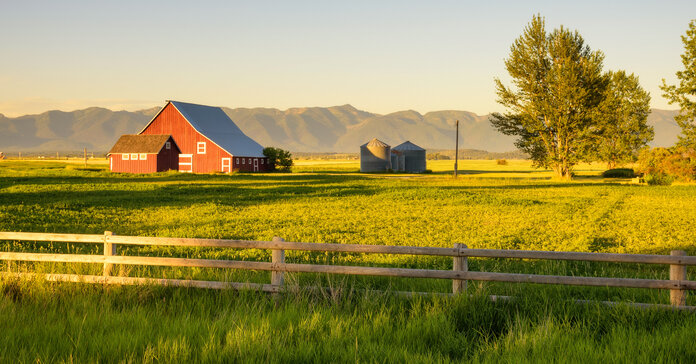
Farm and ranch properties face different challenges throughout the year. Heavy rain, strong winds, extreme heat, and sudden temperature changes can affect fencing, animal areas, storage spaces, and outdoor equipment. While weather cannot be controlled, preparing for seasonal changes can help property owners reduce damage, avoid unnecessary delays, and keep daily work running smoothly.
Having the right Farm & Ranch Supplies available makes it easier to prepare for changing conditions before they become a problem. From securing loose structures to managing muddy areas and protecting essential equipment, a well-planned supply checklist can help property owners respond more effectively to the demands of each season.
Start With a Seasonal Property Inspection
A practical way to prepare for changing weather is to inspect the property before each major season. Walk around barns, sheds, gates, fences, animal shelters, and storage areas to identify anything that may need attention.
Look for loose fasteners, damaged boards, unstable posts, worn hinges, and areas where water collects after rainfall. Small problems are often easier to address before strong winds or prolonged rain make them worse.
It can help to keep a written checklist of repairs and supplies needed for each area. This gives property owners a clear starting point and makes it easier to prioritize urgent work rather than waiting until several problems appear at once.
Improve Drainage Around High-Traffic Areas
Wet weather can create muddy conditions around gates, feeding areas, walkways, and equipment storage locations. These conditions may make routine tasks more difficult and increase wear on frequently used spaces.
Start by identifying low spots where water tends to collect. Clearing suitable drainage paths and keeping existing drains free of debris can help water move away from important areas. Depending on the property, gravel, appropriate ground materials, and basic landscaping tools may also help improve access.
Pay particular attention to entrances, pathways between buildings, and areas where vehicles or equipment regularly travel. Better drainage can reduce standing water and help keep these routes usable after rain.
Secure Fences, Gates, and Outdoor Structures
Wind and storms can put pressure on fencing, gates, shade structures, and storage buildings. Before severe weather arrives, check that posts are stable, hinges operate correctly, and fasteners are secure.
Keep suitable screws, bolts, nuts, washers, and general repair hardware available for routine maintenance. The correct materials depend on the structure, its existing construction, and the conditions it must withstand. Using compatible hardware helps avoid repairs that fail because the replacement parts are unsuitable.
Also inspect gate latches and access points. Gates that do not close properly may become more difficult to manage in poor weather, especially when the ground is wet or visibility is limited.
For larger structural issues or damage involving load-bearing components, professional assessment may be necessary. Quick repairs should never replace proper evaluation when safety is at risk.
Protect Equipment From Moisture and Heat
Outdoor equipment can be affected by moisture, dust, sunlight, and changing temperatures. Tools left exposed to rain may develop corrosion, while prolonged heat and direct sunlight can damage certain materials over time.
Store frequently used equipment in a dry, organized location whenever possible. Shelving, storage containers, hooks, and suitable covers can help keep supplies accessible while reducing unnecessary exposure to the elements.
Before storing equipment for an extended period, clean it according to the manufacturer’s instructions and check for visible damage. Keep fuel, chemicals, batteries, and other potentially hazardous materials in appropriate storage conditions, following their labels and applicable safety requirements.
A dedicated storage area also makes it easier to notice missing tools and identify items that need repair before the next busy season begins.
Prepare Animal Areas for Seasonal Changes
Animal care routines can become more demanding when temperatures rise, cold weather arrives, or rainfall affects outdoor enclosures. Preparing shelters, feeding locations, and water access points ahead of time can make daily care more manageable.
Inspect shelter roofs, openings, fencing, and nearby ground conditions. Check that feeding equipment remains stable and that water containers are clean, accessible, and suitable for the animals being cared for.
During hot weather, ensure animals have access to appropriate shade and sufficient clean water. In colder conditions, review shelter arrangements and follow species-specific care guidance. After heavy rain, check whether muddy or flooded areas are affecting access to feed, water, or shelter.
The exact requirements will vary depending on the animals, local climate, and property layout. Planning supplies around those needs is more useful than relying on a single checklist for every situation.
Keep an Emergency Repair Kit Ready
Weather-related damage does not always happen during convenient hours. A small emergency repair kit can help property owners handle minor problems while arranging any necessary professional repairs.
Depending on the property, the kit might include:
- Basic hand tools for routine adjustments
- Compatible fasteners and general hardware
- Work gloves, flashlights, and spare batteries
- Heavy-duty rope or other suitable securing materials
- Tarps or protective covers for temporary weather protection
- Basic cleaning supplies for clearing minor debris
Choose items based on the structures, equipment, and outdoor conditions found on your property. Inspect the kit periodically, replace damaged materials, and keep everything in a clearly marked location.
Temporary measures should only be used when they are safe. Stay away from downed power lines, unstable structures, flooded electrical equipment, and other storm hazards.
Organize Supplies Before the Busy Season
Buying supplies at the last minute can make property maintenance more stressful. Instead, review upcoming seasonal tasks and prepare a simple inventory before the weather changes.
Separate supplies into categories such as fencing repairs, equipment care, animal areas, drainage, and general maintenance. Record what is already available, what needs replacement, and which items are required for planned projects.
It is also worth checking compatibility before purchasing replacement parts. Fasteners, fittings, tools, and other components must match the intended application to provide a reliable result.
Property owners looking for Farm & Ranch Supplies can explore the farm and ranch department at South Beau Hardware to find products suited to their property maintenance needs. Checking product details and availability before starting a project can help make purchasing decisions more efficient.
Build a More Weather-Ready Property
Preparing for seasonal weather is not about predicting every possible problem. It is about identifying vulnerable areas, keeping essential supplies organized, and addressing maintenance issues before conditions become more difficult.
Regular inspections, better drainage, secure outdoor structures, protected equipment, and well-maintained animal areas all contribute to a more manageable property. A small amount of preparation can also help reduce interruptions when unexpected weather affects everyday work.
By creating a seasonal maintenance checklist and keeping suitable Farm & Ranch Supplies within reach, property owners can approach changing weather with greater confidence and keep their land, equipment, and facilities better prepared throughout the year.


