
Cooking a delicious meal relies on seasoning ingredients properly, yet spice cabinets are often among the most cluttered areas in any home kitchen. Mismatched jars, expired herbs, and double-purchased spice bottles quickly create chaos inside drawers and pantries. When your seasonings are disorganized, meal preparation slows down, and dishes can suffer from forgotten or over-seasoned steps. Establishing a clear, structured seasoning organization system transforms your cooking routine, saving you time and keeping your ingredients fresh.
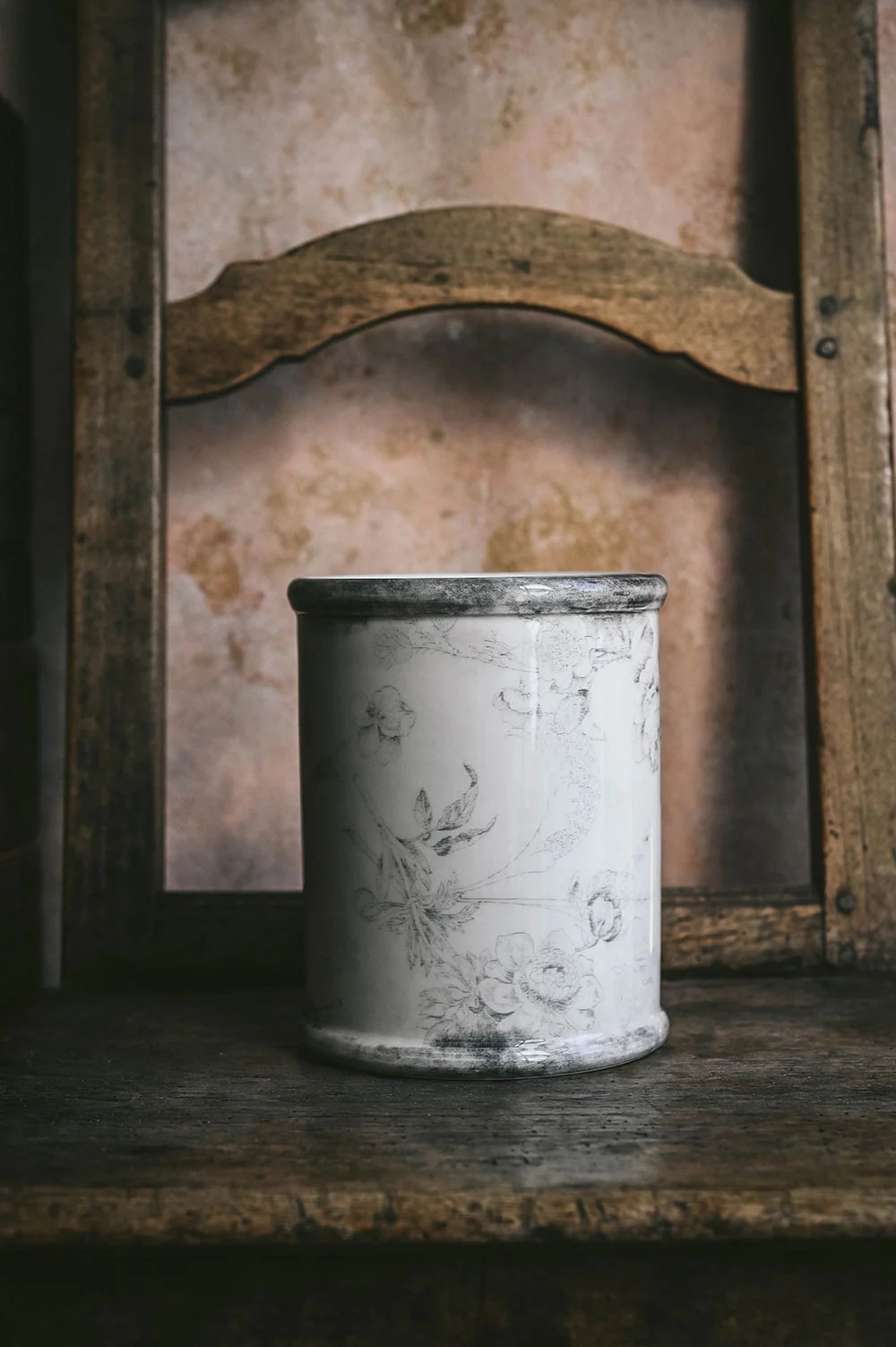
Incorporating purpose-built storage solutions, like a Salt cellar, brings immediate efficiency to your daily prep routine by keeping high-frequency finishing seasonings accessible right beside your cooktop. In this guide, we will explore practical, step-by-step strategies for organizing your entire collection of spices, herbs, and seasonings to create a seamless cooking environment.
The Benefits of an Organized Spice System
Taking the time to organize your seasonings offers major benefits that go far beyond basic aesthetics. A well-ordered spice setup directly improves how you cook, plan meals, and shop for groceries.
Faster Meal Preparation and Better Cooking Control
When every spice bottle has a designated spot, you no longer waste time digging through deep cabinets while garlic scorches in a hot pan. You can quickly reach for cumin, paprika, or oregano without breaking your rhythm, leading to better timing and fewer burned ingredients.
Preventing Food Waste and Duplicate Purchases
It is easy to accidentally buy a second or third jar of ground cinnamon when your pantry shelves are overcrowded. Organizing your collection brings every bottle into plain view, preventing accidental double-purchases and ensuring older spices get used before losing their potency.
Prolonging Seasoning Freshness and Flavor
Spices do not necessarily spoil in a way that makes you sick, but they gradually lose their essential oils, color, and aroma over time. Storing herbs and spices in cool, dark, and sealed environments protects their active flavor compounds, making your home-cooked meals taste noticeably vibrant.
Step 1: Declutter and Audit Your Existing Spice Collection
Before purchasing new jars or organizing racks, perform a thorough inventory audit of your current spice supply.
Gathering and Sorting
Take every single spice bottle, herb container, and seasoning packet out of your cabinets, drawers, or pantry shelves. Place them all together on a clean kitchen island or table so you can clearly see what you own.
The Freshness Test
Check your seasonings for potency using these simple rules:
- Ground Spices (1 to 2 Years): Check for color fading. Rub a small amount between your fingers—if the scent is faint or dusty, it is time to replace it.
- Whole Spices (3 to 4 Years): Whole peppercorns, nutmeg, and cardamom pods hold flavor longer than ground versions. Crush one to check for strong aromatic oils.
- Dried Leaf Herbs (1 Year): Dried basil, parsley, and oregano lose flavor rapidly. If they look pale or grayish, refresh your stock.
Step 2: Choose the Right Spice Storage System for Your Kitchen Layout
Different kitchen layouts require different storage methods. Select the system that best matches your cooking habits and available counter or drawer space.
1. In-Drawer Tiered Spice Racks
Slanted drawer inserts keep spice bottles lying down flat at an angle, making every label readable the moment you open the drawer.
- Best For: Kitchens with wide, shallow drawers near the main cooktop or prep area.
- Advantages: Keeps spices completely protected from cooking light and steam; prevents bottle tipping; keeps counters clear.
2. Wall-Mounted or Cabinet-Door Racks
Utilizing vertical wall space or the inside of upper cabinet doors is an excellent way to save valuable counter and drawer footprints.
- Best For: Small or compact kitchens with limited drawer space.
- Advantages: Uses underutilized vertical storage space; keeps seasonings at eye level.
3. Countertop Spice Risers or Lazy Susans
Rotating turntables (Lazy Susans) and tiered shelf risers bring items at the back of a cabinet directly into reach with a simple spin or lift.
- Best For: Corner cabinets, deep pantry shelves, or open countertop prep nooks.
- Advantages: Easy access to tall or bulky seasoning bottles; budget-friendly.
Step 3: Streamline Jars and Labeling for Visual Harmony
Mismatched brand bottles create visual noise and make efficient stacking difficult. Transferring your spices into uniform containers creates instant organization.
Uniform Glass Jars
Standard 4-ounce glass spice jars with shaker tops are ideal for almost all ground spices and dried herbs. Glass is non-reactive, easy to wash, and lets you monitor supply levels clearly.
Clear Labeling Systems
Apply clean, legible labels to either the lid top (if using drawer storage) or the glass body (if using shelf or door storage). Including a small written date on the bottom helps you track when the jar was last filled.
Step 4: Storing Everyday Essentials Right Beside Your Stove
While the bulk of your spice collection should remain inside drawers or cabinets to protect against ambient cooktop heat, your daily finishing seasonings belong within arm’s reach.
Keeping high-use ingredients like coarse sea salt, cracked black pepper, and chili flakes on a small countertop tray or inside a dedicated Salt cellar ensures you can season food accurately during active sautéing or searing.
Best Practices for Maintaining Spice Quality over Time
To keep your organized spice system running smoothly, adopt these quick routine maintenance habits.
Proper Environment Control
- Keep Away from Direct Heat: Store main spice jars away from oven exhaust vents, micro-hoods, and direct sunlight.
- Avoid Seasoning Over Steam: Never shake an open spice jar directly over a boiling pot of soup or pasta water. The rising steam enters the bottle, causing powders to clump and molding over time. Instead, pour the spice into your palm first.
Refilling Strategy
Buy whole spices or bulk ground spices in small amounts from bulk bins when possible. Refill your main countertop jars and keep excess backup bags organized in a single “overstock” basket in your pantry.
Conclusion
Organizing your kitchen spices and seasonings removes unnecessary frustration from daily meal preparation. By auditing old inventory, unifying your spice jars, choosing an accessible drawer or rack layout, and keeping everyday finishing seasonings readily available on your counter, you build a functional workspace that supports your culinary creativity. Investing a little time into smart organization pays off every day through faster prep times, fresher ingredients, and delicious home-cooked meals.
Frequently Asked Questions (FAQs)
What is the ideal location to store spices in a kitchen?
The ideal location for spice storage is a cool, dark, and dry spot—such as a dedicated shallow drawer or a upper cabinet away from the stove. Storing spices away from heat, direct sunlight, and steam moisture preserves their flavorful aromatic oils.
How often should I replace ground spices and dried herbs?
Ground spices generally remain vibrant for 1 to 2 years, while dried leaf herbs are best used within 1 year. Whole spices, like nutmeg or whole peppercorns, can last up to 3 to 4 years when stored in airtight glass containers.
How can I stop powdered spices like garlic or onion powder from clumping?
Spices clump when moisture enters the container. To prevent clumping, ensure the jar lid is sealed tightly after each use and never shake a spice jar directly over steam coming off hot cooking pans.
Should I store any spices or seasonings in the refrigerator?
Most dried spices and herbs do fine at room temperature. However, red pepper-based spices like paprika, chili powder, and cayenne pepper maintain their vivid red color and freshness longer if stored in a cool pantry or refrigerator in humid climates.
