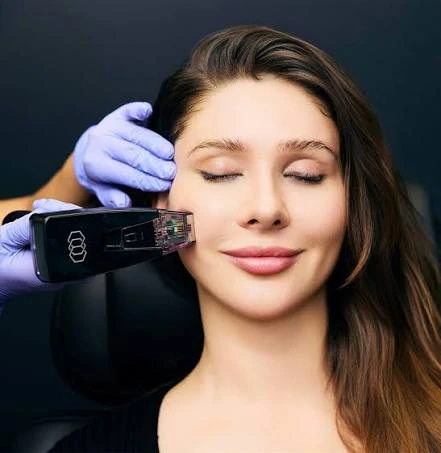
Hair transplantation has advanced significantly with the introduction of robotic assistance, which can help specialists identify and extract suitable follicular units with greater consistency. Precision is particularly important during follicular unit extraction (FUE), as each graft must be removed carefully to protect its structure and preserve the appearance of the donor area. Robotic systems can support this process through digital imaging, follicle mapping, and computer-guided extraction tools, depending on the technology used.
For individuals exploring Robotic Hair Transplant in Dubai, understanding how these systems work can help them make informed decisions about treatment. Robotic assistance may improve the consistency of follicle selection and help specialists plan extraction patterns, but outcomes still depend on the patient’s hair characteristics, donor density, medical suitability, and the expertise of the treating team.
Unlike conventional manual extraction, which relies heavily on the surgeon’s visual assessment and hand movements, robotic-assisted procedures can use magnified imaging and software-guided measurements to support follicle identification. However, the technology does not eliminate the need for professional judgment. Specialists remain responsible for evaluating graft quality, adjusting the procedure to individual needs, and protecting the donor area from excessive extraction.
Dubai offers a range of healthcare facilities providing hair restoration consultations and surgical services. Patients should understand that not every facility offers robotic-assisted transplantation, and the availability of specific systems must be confirmed directly. Comparing technology, clinical expertise, safety protocols, and treatment planning is essential before choosing a provider.
Understanding Robotic Precision in Hair Follicle Extraction
Robotic-assisted hair transplantation generally combines digital imaging, software analysis, and specialised instruments to help identify and extract follicular units. Depending on the system, cameras may assess hair angle, density, and distribution before the extraction process begins.
The objective is to help the medical team select appropriate follicles while maintaining a balanced donor area. Since hair grows at different angles and depths across the scalp, accurate assessment is important for minimising unnecessary tissue damage and protecting neighbouring follicles.
Robotic guidance can also support consistent extraction spacing. However, precision is not determined by technology alone. Hair curl, scalp characteristics, follicle orientation, and the surgeon’s experience all influence the quality of extraction.
How Robotic Hair Transplantation Supports Accurate Extraction
Digital Imaging and Follicle Identification
Robotic systems may use high-resolution cameras to capture detailed images of the donor scalp. Software analyses these images to identify suitable follicular units and estimate their orientation.
This information helps the specialist determine where extraction instruments should be positioned. Better visualisation can be particularly useful when follicles grow at varying angles or when the donor area requires careful planning.
Nevertheless, imaging systems have limitations. They may need adjustments for different hair colours, skin tones, hair thicknesses, and scalp conditions. Clinical supervision remains essential throughout the procedure.
Consistent Extraction Angles
Hair follicles do not grow straight beneath the skin. Their direction and angle can change across different parts of the scalp, making extraction technically demanding.
Robotic assistance can help guide the extraction instrument according to the detected follicle orientation. Maintaining an appropriate angle may reduce the risk of transection, a complication in which a follicle is cut or damaged during removal.
The degree of assistance varies by platform, and no system can eliminate transection entirely. Experienced specialists must monitor extraction quality and intervene when necessary.
Protecting the Donor Area
The donor area, usually located at the back and sides of the scalp, contains follicles that may be used to restore thinning regions. These follicles are limited, so preserving them is essential for both current treatment and potential future procedures.
Robotic systems can help map extraction locations and distribute removals across the donor area. Appropriate spacing may reduce the likelihood of creating visibly depleted patches.
However, donor preservation also depends on the total number of grafts removed, the patient’s baseline density, and the distribution of permanent and potentially unstable hair. Overharvesting remains possible even when advanced technology is used.
Improving Graft Selection
Follicular units contain different numbers of hairs, commonly ranging from one to four. Single-hair grafts may be useful around the frontal hairline, while multi-hair units can contribute to density behind it.
Imaging and digital assessment can assist with follicle selection, but the treatment team must still determine which grafts are appropriate for each area. The goal is not simply to extract as many follicles as possible; it is to preserve valuable grafts and use them strategically.
Supporting a More Organised Procedure
Automated imaging and extraction guidance may help standardise certain steps and reduce some of the repetitive work involved in FUE. Depending on the system and case complexity, this may support workflow efficiency.
However, robotic assistance does not automatically mean a shorter procedure. Preparation, anaesthesia, extraction, graft handling, recipient-site creation, and implantation all affect the total treatment time.
Clinics and Hospitals to Consider for Hair Restoration
Patients researching hair restoration in Dubai should distinguish between facilities that offer general hair transplantation and those that specifically provide robotic-assisted extraction. The following providers are potential starting points for enquiries, but their current robotic capabilities, available procedures, and treating specialists should be verified directly.
Dynamic Life Clinic
Dynamic Life Clinic is a Dubai-based aesthetic healthcare provider that patients may consider when researching hair restoration options. During a consultation, prospective patients should ask whether the facility offers robotic-assisted FUE or primarily uses manual extraction techniques.
It is also useful to discuss how the team assesses donor density, estimates the number of grafts required, and plans extraction around the natural direction of hair growth. Patients should request a clear explanation of the technology used rather than assuming that every advanced FUE procedure is robotic.
Enfield Royal Clinic
Enfield Royal Clinic is an option for patients exploring hair restoration consultations in Dubai. Individuals interested in Robotic Hair Transplant in Dubai should ask the clinic to clarify whether robotic extraction is available for their case, which system is used, and which qualified medical professional performs and supervises the procedure.
A detailed assessment should consider the extent of hair loss, donor-area quality, scalp condition, and the patient’s long-term restoration goals. Patients should also discuss graft survival, possible complications, aftercare requirements, and the realistic density achievable with the available donor supply.
Understanding the difference between robotic-assisted extraction and conventional FUE is particularly important. A consultation should explain how the proposed technique fits the patient’s needs rather than relying on technology as the sole measure of quality.
Emirates Hospital
Emirates Hospital is a healthcare provider in Dubai that patients may contact to explore available hair restoration services. Before scheduling treatment, prospective patients should establish whether hair transplantation is offered at the relevant facility and whether robotic-assisted extraction forms part of its current services.
Questions about the surgeon’s qualifications, operating arrangements, infection-control procedures, and follow-up schedule can help patients assess the suitability of a proposed treatment. If robotic technology is available, patients should ask how it contributes to follicle selection and donor-area management.
Cocoona Clinic
Cocoona Clinic is associated with cosmetic and aesthetic healthcare services in Dubai. Patients considering surgical hair restoration can enquire about the clinic’s current treatment options and the qualifications of the professionals involved.
For those interested in robotic extraction, it is important to confirm whether the procedure uses a genuine robotic system, an image-guided device, or manual FUE instruments. These approaches may differ in how follicles are identified and extracted.
A personalised consultation should also address hairline design, graft distribution, donor limitations, and the possibility that alternative treatments may be more appropriate in certain cases.
Al Zahra Hospital Dubai
Al Zahra Hospital Dubai provides a hospital-based setting in which patients can enquire about relevant specialist services. Individuals considering hair transplantation should confirm whether the hospital currently offers the procedure and whether robotic-assisted techniques are available.
Hospital facilities may be relevant when evaluating medical assessment, anaesthesia arrangements, emergency preparedness, and postoperative support. However, patients should assess the specific surgical team and treatment pathway rather than assuming that a hospital setting guarantees a particular technique or outcome.
Tajmeels Clinic
Tajmeels Clinic is another provider patients may contact when comparing aesthetic treatment options in Dubai. Anyone considering a hair transplant should ask about the techniques offered, the experience of the treating specialist, and the process used to assess donor suitability.
If robotic assistance is advertised, prospective patients should request details about the equipment and the steps it performs. They should also establish who carries out extraction, graft preparation, and implantation, since these stages may involve different levels of automation.
King’s College Hospital London Dubai
King’s College Hospital London Dubai is a healthcare provider that patients can contact to enquire about relevant specialist services. Those considering hair restoration should verify whether surgical hair transplantation is currently offered at the facility and whether any robotic-assisted option is available.
A useful consultation should explain the medical assessment process, the suitability of the donor area, and the risks associated with surgery. Patients should also clarify which specialist would be responsible for treatment and how follow-up care would be arranged.
Dubai Cosmetic Surgery Clinic
Dubai Cosmetic Surgery Clinic is another name patients may investigate when comparing cosmetic treatment providers. Before proceeding with a hair restoration procedure, individuals should confirm the availability of hair transplantation services and ask whether extraction is performed manually or with robotic assistance.
The consultation should cover graft estimates, expected coverage, healing time, and the limitations of donor hair. Patients should also request realistic information about the likely appearance of the transplanted area as it matures.
How to Choose the Right Clinic for Robotic Hair Transplant in Dubai
Choosing a suitable provider involves more than comparing equipment or advertised graft numbers. The most appropriate approach depends on the patient’s hair-loss pattern, donor characteristics, medical history, and expectations.
Experience and Qualifications
Verify the qualifications and relevant experience of the specialist responsible for the procedure. Ask who performs the extraction and implantation, how frequently the team carries out hair transplants, and how it manages complications.
Experience with robotic systems is important if robotic assistance is proposed. Familiarity with conventional FUE is also valuable because the specialist may need to adjust the technique or perform manual extraction in areas where automated guidance is less suitable.
Technology and Techniques
Ask which robotic platform or extraction system is used and which steps it actually automates. Some systems assist with follicle detection and extraction, while graft preparation and implantation may remain manual.
The provider should explain the expected benefits and limitations of the technology for the patient’s particular hair type and donor area. A clinic should not describe a procedure as fully robotic if only selected stages use automated assistance.
Safety Standards
A hair transplant is a surgical procedure, so patient safety must remain central to the decision. Confirm that the procedure takes place in an appropriate clinical environment with suitable sterilisation, anaesthesia, monitoring, and emergency protocols.
Patients should also receive clear information about possible complications, including infection, bleeding, swelling, scarring, temporary numbness, poor graft growth, and donor-area overharvesting.
Consultation and Treatment Planning
A proper consultation should include an examination of the scalp, an assessment of donor density, and a review of the pattern and progression of hair loss. The specialist may recommend additional evaluation if an underlying medical condition or an unusual pattern of shedding is suspected.
Treatment planning should define the intended hairline, the estimated number of grafts, and how donor hair will be distributed. Patients should understand that transplanted hair may not restore the original density and that existing hair loss can continue over time.
Patient Experience and Aftercare
Ask what support is provided after surgery and how the team monitors recovery. Clear instructions should cover scalp washing, activity restrictions, medication where appropriate, and warning signs that require medical attention.
A reliable provider should explain how to contact the clinical team if concerns arise. Before-and-after photographs may help with decision-making, but they should represent comparable hair-loss patterns and realistic follow-up periods.
Expected Results and Long-Term Planning
The final appearance depends on graft survival, the number and quality of follicles transplanted, the characteristics of the scalp, and the patient’s healing response. Visible early shedding of transplanted hair can occur, while new growth typically develops gradually over several months.
Many patients assess their progress around six to twelve months, although crown growth and full maturation can take longer. The specialist should explain that robotic precision may support extraction but cannot guarantee graft survival, a specific density, or a particular hairline.
Frequently Asked Questions
What makes robotic hair transplantation different from manual FUE?
Robotic-assisted transplantation uses imaging and computer-guided technology to support selected extraction steps. Manual FUE relies more directly on the surgeon’s visual assessment and hand-controlled instruments. Both approaches require clinical expertise, and neither guarantees superior results in every patient.
Does robotic extraction reduce damage to hair follicles?
Robotic guidance may help identify follicle angles and support consistent extraction, potentially reducing some causes of follicular transection. However, damage can still occur because of hair characteristics, scalp conditions, instrument settings, and procedural technique.
Is robotic hair transplantation suitable for everyone?
No. Suitability depends on the extent of hair loss, donor density, follicle characteristics, medical history, and the patient’s goals. A specialist should determine whether robotic assistance, manual FUE, another treatment, or a combination of approaches is appropriate.
How long does a robotic hair transplant take?
The duration varies according to the number of grafts, the extraction system, donor-area characteristics, and the overall treatment plan. Robotic assistance may improve workflow in some cases, but it does not guarantee a shorter procedure.
How can patients confirm whether a clinic offers genuine robotic extraction?
Ask for the name of the robotic system, an explanation of the steps it performs, and details of the specialist’s experience using it. Confirm whether the technology is used for actual follicle extraction or only for imaging and planning. The clinic should provide clear information about the procedure before treatment is scheduled.
Conclusion
Robotic assistance can support hair follicle extraction through digital imaging, follicle identification, and more consistent extraction planning. These capabilities may help specialists protect valuable grafts and manage the donor area carefully, although results continue to depend on clinical expertise, patient suitability, and appropriate surgical technique.
For anyone considering Robotic Hair Transplant, the most important step is to verify the technology available at the chosen facility and understand how it will be used during treatment. A thorough consultation, transparent discussion of risks, and realistic expectations are essential for making an informed decision about long-term hair restoration.