Introduction
Hair loss can influence personal confidence, appearance, and the way people feel about themselves. As hair restoration techniques continue to advance, many individuals consider surgical options that help restore hair density and create a natural-looking hairline. Follicular Unit Extraction, commonly known as FUE, is a hair restoration technique that involves transferring individual hair follicles from a donor area to areas affected by thinning or hair loss. For individuals considering FUE Hair Transplant in Abu Dhabi, understanding the procedure, suitability, preparation, and expected outcomes is essential before making a decision. Learning about the treatment process can help individuals establish realistic expectations and determine whether this approach aligns with their hair restoration goals.
Understanding the FUE Hair Transplant Technique
FUE is a hair transplantation method in which individual follicular units are extracted from a donor area, usually the back or sides of the scalp, and implanted into areas where hair growth has decreased. Unlike techniques that involve removing a strip of scalp tissue, FUE collects follicles individually. This approach allows the extraction sites to heal as small wounds rather than leaving one long linear incision.
The extracted follicles are carefully selected and prepared before being placed in the recipient area. Their placement, direction, and distribution are important factors in achieving a natural appearance. The procedure requires careful planning because the final result depends on several factors, including donor hair quality, existing hair density, scalp characteristics, and the pattern of hair loss.
Assessing Whether You Are a Suitable Candidate
Not everyone experiencing hair loss is automatically a suitable candidate for FUE. An assessment of the scalp, hair characteristics, and overall hair loss pattern helps determine whether the procedure is appropriate. Individuals with sufficient healthy donor hair may have more options for transplantation than those with limited donor density.
The underlying cause of hair loss is another important consideration. Pattern hair loss, certain types of scarring, and other conditions can affect treatment suitability differently. A qualified professional should evaluate persistent or unexplained hair loss before recommending a surgical approach.
Age and the progression of hair loss may also influence planning. Hair loss can continue after transplantation, meaning that the surrounding natural hair may become thinner over time. A carefully planned hairline and a realistic distribution of transplanted follicles can help maintain a balanced appearance as hair changes.
Evaluating Donor Hair Quality and Availability
Donor hair is one of the most important factors in FUE transplantation. The follicles used during the procedure are generally taken from areas that are more resistant to common patterns of hair loss. However, the amount of available donor hair is limited, so it must be managed carefully.
Hair thickness, texture, colour, curl pattern, and density can influence how full the transplanted area appears. For example, thicker or curlier hair may provide greater visual coverage than finer hair, even when the number of transplanted follicles is similar. These characteristics should be considered when establishing realistic expectations.
It is also important to understand that transplantation redistributes existing hair rather than creating new follicles. Removing too many follicles from the donor area can affect its appearance. A suitable treatment plan should balance the needs of the recipient area with the preservation of donor hair.
Understanding the Procedure and Its Stages
The FUE process generally begins with an assessment and treatment plan. During this stage, the hairline, donor area, recipient area, and desired density are evaluated. The professional carrying out the procedure explains the steps involved and discusses what can reasonably be achieved.
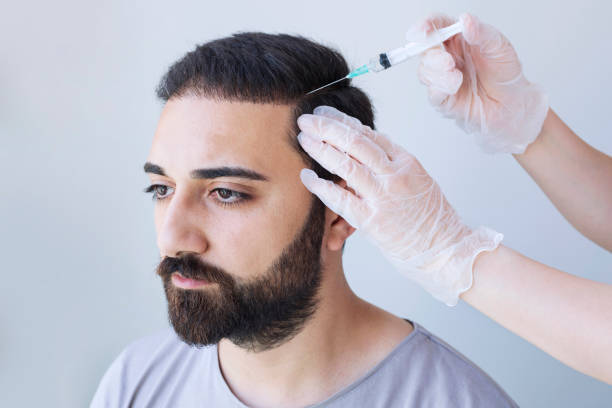
On the day of treatment, the donor area is usually prepared, and local anaesthesia is administered. Individual follicular units are then extracted using specialised instruments. These follicles are handled carefully to preserve their viability before being implanted into the designated areas.
The recipient sites are created according to the planned hairline, angle, and direction of growth. Follicles are placed individually to support a natural-looking result. The duration of the procedure varies depending on the number of grafts required, the characteristics of the scalp, and the complexity of the treatment plan.
Understanding each stage helps individuals prepare for the experience and communicate their expectations clearly.
Setting Realistic Expectations About Results
FUE hair transplantation does not produce immediate final results. The transplanted follicles need time to settle and enter their growth cycle. During the early stages, some transplanted hair shafts may shed before new hair begins to emerge. This can be an expected part of the process and does not necessarily indicate that the transplant has failed.
Visible new growth often develops gradually over several months. Hair density and coverage continue to improve as the follicles progress through their growth cycles. The final appearance may take around twelve months or longer to become clear, depending on individual healing and hair growth patterns.
Results vary from person to person. The number of viable grafts, natural hair characteristics, scalp condition, and ongoing hair loss can all influence the outcome. It is important to focus on realistic improvements rather than expecting an exact reproduction of previous hair density.
Preparing for an FUE Hair Transplant
Preparation involves following the instructions provided during the consultation. Individuals should discuss their medical history, existing scalp conditions, previous hair restoration procedures, and any medications or supplements they use. This information helps the professional plan the procedure appropriately.
Specific instructions may include guidance about hair washing, scalp care, smoking, alcohol consumption, and medication management. Prescribed medicines should not be stopped or changed without professional guidance. Arranging suitable transportation and allowing time for initial recovery can also make the experience more manageable.
Before proceeding, individuals should understand the aftercare requirements and the recommended schedule for follow-up appointments. Preparation is not limited to the procedure itself; it also involves being ready for the gradual nature of hair regrowth.
Recovery and Aftercare Considerations
Following FUE transplantation, the donor and recipient areas require careful attention while healing. Temporary redness, small crusts, and sensitivity can occur during the initial recovery period. The duration of these changes differs according to individual healing and the extent of treatment.
Aftercare instructions may cover scalp cleansing, sleeping positions, physical activity, sun exposure, and avoiding unnecessary pressure or friction on the transplanted area. Following these instructions helps protect the newly implanted follicles during the early stages of healing.
Individuals should also understand when normal activities can be resumed. Strenuous exercise and activities that increase sweating may need to be restricted temporarily. The professional responsible for the procedure should provide personalised guidance based on the treatment performed and the person’s recovery.
Follow-up appointments allow progress to be reviewed and provide an opportunity to discuss questions about healing and hair growth.
Choosing a Qualified Hair Restoration Professional
Selecting an appropriately qualified and experienced professional is an important part of the decision-making process. Individuals should understand who will perform the extraction and implantation, what training they have, and how the procedure will be supervised.
It is helpful to review examples of previous results that demonstrate natural hairline design, suitable density, and careful donor-area management. Before-and-after photographs can provide useful context, although results from other individuals cannot guarantee the same outcome.
A thorough consultation should include a clear explanation of the procedure, realistic expectations, potential limitations, and the aftercare plan. Individuals should feel comfortable asking questions and taking time to consider the available information before making a commitment.
Frequently Asked Questions
What is an FUE hair transplant?
FUE is a hair restoration technique in which individual hair follicles are extracted from a donor area and implanted into areas affected by hair thinning or hair loss. The goal is to improve hair coverage and create a natural-looking result.
How long does an FUE hair transplant take?
The duration depends on the number of grafts required, the size of the treatment area, and the complexity of the procedure. A professional can provide a more accurate estimate after assessing the scalp and discussing the treatment plan.
When can results from an FUE hair transplant become visible?
Initial growth generally becomes noticeable over several months, with continued improvement as the follicles develop. The final appearance may take around twelve months or longer, depending on individual growth patterns.
Does FUE create new hair follicles?
No. FUE relocates existing follicles from a donor area to areas with reduced hair density. The procedure redistributes available hair rather than creating new follicles.
Is everyone suitable for FUE hair transplantation?
No. Suitability depends on factors such as the cause of hair loss, donor hair availability, scalp condition, and overall treatment goals. A professional assessment is necessary to determine whether FUE is appropriate.
What should be discussed during the consultation?
Individuals should discuss their hair loss history, donor hair quality, desired results, treatment limitations, recovery requirements, and the professional’s experience. Understanding these details supports informed decision-making.
Conclusion
Choosing FUE hair transplantation requires careful consideration of suitability, donor hair availability, the procedure itself, recovery, and realistic expectations. Although the technique can improve hair coverage for appropriate candidates, its results depend on individual characteristics and the quality of treatment planning. Understanding the gradual nature of hair growth and the importance of aftercare can help individuals approach the process with greater confidence. A comprehensive consultation with a qualified hair restoration professional is an essential step towards determining whether FUE aligns with personal goals and long-term hair restoration needs.