Trying plant-based dining for the first time can feel unfamiliar, especially if most of your meals have traditionally included meat, dairy, or eggs. Fortunately, exploring vegan restaurants in Maryland does not mean giving up flavor or variety. Plant-based dining includes a wide range of foods, from vegetables, grains, beans, lentils, and tofu to flavorful sauces, spices, breads, and creative meat alternatives. Maryland also has a growing selection of restaurants offering vegan and vegetarian choices, making it easier for first-time diners to find something enjoyable.
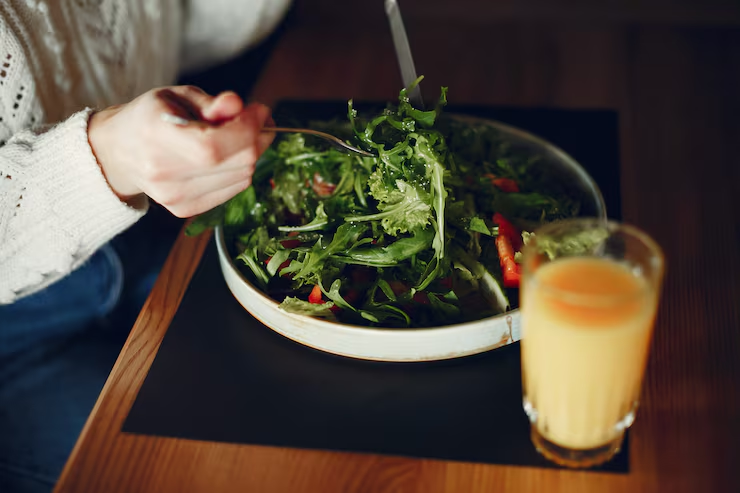
Understanding What Plant-Based Dining Means
One of the first things to understand is that “plant-based” does not always mean exactly the same thing as “vegan.” Plant-based generally describes meals that focus mainly on foods that come from plants. Depending on the restaurant or person, this can mean eating mostly vegetables, fruits, grains, beans, nuts, and seeds while occasionally including animal products.
Vegan dining is more specific. A vegan meal excludes animal-derived foods such as meat, poultry, seafood, dairy, and eggs. Vegetarian meals generally avoid meat, poultry, and seafood but may still include dairy or eggs.
Understanding these differences can make ordering much easier. If you are simply trying to eat more vegetables, you may have many choices. If you follow a strict vegan diet, you will need to check ingredients more carefully.
Expect More Variety Than You Might Think
A common concern among first-time plant-based diners is that the menu will be limited to salads and steamed vegetables. Modern plant-based dining can be much more diverse.
You may find dishes built around lentils, chickpeas, mushrooms, tofu, beans, rice, potatoes, vegetables, nuts, and grains. Restaurants may also use plant-based versions of familiar foods, including burgers, wraps, sandwiches, curries, pasta, and other comfort foods.
Indian cuisine can be particularly approachable for someone exploring plant-based food because many traditional dishes are centered around vegetables, legumes, rice, grains, herbs, and spices. However, diners should still check whether a particular dish contains dairy, ghee, or other animal-derived ingredients.
The experience can therefore be less about replacing everything you already enjoy and more about discovering different ways familiar ingredients can be prepared.
Read the Menu Before You Order
When trying plant-based dining for the first time, take a few minutes to read the menu carefully. Some restaurants clearly mark vegan or vegetarian dishes, while others may describe ingredients within each menu item.
Look for symbols or labels that identify vegan and vegetarian choices. If something is unclear, asking the restaurant staff is perfectly reasonable. The Academy of Nutrition and Dietetics recommends checking menu descriptions and asking restaurant staff when you are unsure whether a dish contains animal ingredients.
This is especially important with dishes that appear vegetarian or plant-based but may contain hidden ingredients. For example, vegetables might be cooked in butter, soup could contain chicken stock, or a sauce could contain cream.
A simple question such as, “Is this dish completely vegan?” can help prevent confusion.
Do Not Be Afraid to Ask About Ingredients
Asking questions is one of the easiest ways to become comfortable with plant-based dining.
You might want to ask:
- Is this cooked with butter or ghee?
- Does this sauce contain dairy?
- Does the dish contain eggs?
- Is the soup made with vegetable stock?
- Can this dish be prepared without dairy?
- Are there vegan alternatives available?
Restaurant staff are accustomed to customers having different dietary preferences and restrictions. Some restaurants may also be able to make simple adjustments to certain dishes.
If you have a serious food allergy rather than a dietary preference, be especially clear about it. Cross-contact can happen during food preparation, so it is important to communicate the allergy directly to restaurant staff.
Expect to Discover New Ingredients
Your first plant-based meal may introduce you to ingredients you have rarely ordered before.
Tofu, for example, is a soybean-based food that can take on the flavor of sauces and seasonings. Lentils are small legumes commonly used in soups, curries, and other dishes. Chickpeas can be used in curries, salads, spreads, and snacks. Mushrooms can add a rich, savory texture to many meals.
You may also encounter ingredients such as jackfruit, tempeh, nutritional yeast, plant-based cheese, or dairy-free sauces.
You do not have to like everything immediately. Part of exploring a different style of dining is discovering which ingredients and flavors work best for you.
Expect Strong Flavors and Different Textures
Plant-based food is not limited to one flavor profile. Spices, herbs, roasted vegetables, sauces, chutneys, marinades, and cooking techniques can make a major difference.
For someone accustomed to meat-heavy meals, texture may be one of the biggest changes. A lentil curry will not have the same texture as chicken, and tofu will not taste like meat on its own. Instead, these foods are often prepared to complement the flavors and textures of the entire dish.
Indian cuisine demonstrates how spices and preparation methods can transform simple plant ingredients into satisfying meals. Ingredients such as cumin, coriander, turmeric, ginger, garlic, cardamom, and chili can add depth without requiring meat.
Start With Familiar Flavors
You do not have to choose the most unfamiliar item on the menu for your first experience.
If you already enjoy rice dishes, try a vegetable rice dish. If you like spicy food, choose a curry with vegetables or lentils. If you enjoy bread, consider a vegetable-filled wrap or another plant-based option.
Starting with familiar flavors can make the transition more comfortable. Once you know what you like, you can gradually experiment with dishes that use ingredients or combinations you have never tried.
This approach also makes plant-based dining more enjoyable because you are exploring at your own pace rather than treating the experience as a challenge.
Plant-Based Dining Can Be Social
Trying plant-based food does not necessarily mean changing how you socialize around food. You can still meet friends, share meals, celebrate special occasions, and explore different restaurants.
In fact, Maryland’s plant-based dining scene includes restaurants with different cuisines and dining styles, giving people opportunities to explore plant-forward meals without limiting themselves to one type of food.
You may also find that dining with people who have different preferences can be simple when a restaurant offers a variety of choices. Some people at the table can order plant-based meals while others choose different options.
Give Yourself Time to Find Your Favorites
Your first plant-based meal does not have to determine whether you like plant-based dining.
You may order something that is not your favorite. That is normal. Try another dish the next time. Different restaurants use different ingredients, seasonings, and cooking techniques, so the experience can vary considerably.
Keeping an open mind is more useful than expecting every dish to taste like a traditional meat-based meal. Plant-based food has its own flavors, textures, and cooking traditions.
Over time, you may discover a few dishes that become regular favorites.
Find a Welcoming Place to Explore Plant-Based Food
For first-time diners, choosing the right restaurant can make the experience much easier. A menu with flavorful vegetarian and vegan choices, knowledgeable staff, and a variety of dishes gives you more freedom to explore without feeling restricted.
An indian restaurant towson can be a useful option for diners who want to explore plant-focused meals through familiar spices, vegetables, lentils, rice, and other ingredients. Indian cuisine offers many ways to experience satisfying meals without relying entirely on meat, while still providing plenty of flavor and variety.
Conclusion
Exploring plant-based dining for the first time can be an enjoyable way to discover new foods, flavors, ingredients, and cooking styles. You do not need to change your entire diet overnight or know everything about vegan and vegetarian food before visiting a restaurant. Start with familiar flavors, ask questions about ingredients, and give yourself room to experiment.
Whether you are reducing your meat intake, looking for vegetarian options, or simply curious about a different dining experience, restaurants such as Unavu can give you an opportunity to explore flavorful plant-focused dishes in a welcoming setting. The key is to approach the experience with curiosity and focus on discovering foods you genuinely enjoy.
FAQs
1. What should I expect at a plant-based restaurant for the first time?
You can expect meals centered around vegetables, grains, legumes, fruits, nuts, seeds, and other plant ingredients. Depending on the restaurant, you may also find plant-based versions of familiar foods.
2. Is plant-based food always vegan?
No. Plant-based generally means that plants are the main focus of a meal, but the term does not always guarantee that a dish contains no animal products. If you need a completely vegan meal, confirm the ingredients with the restaurant.
3. How can I tell if a restaurant dish is vegan?
Look for vegan labels or menu symbols and check the ingredient description. If you are still unsure, ask the restaurant staff whether the dish contains dairy, eggs, butter, ghee, meat stock, or other animal-derived ingredients.