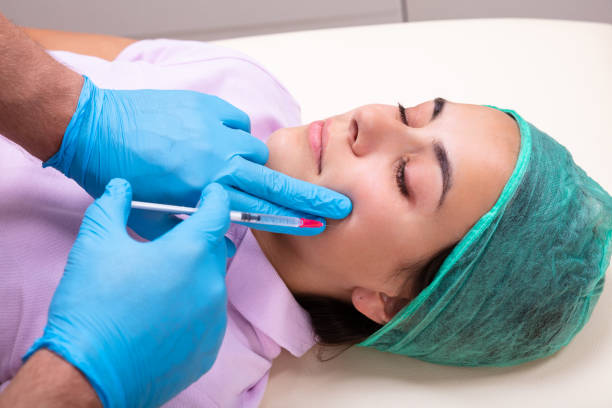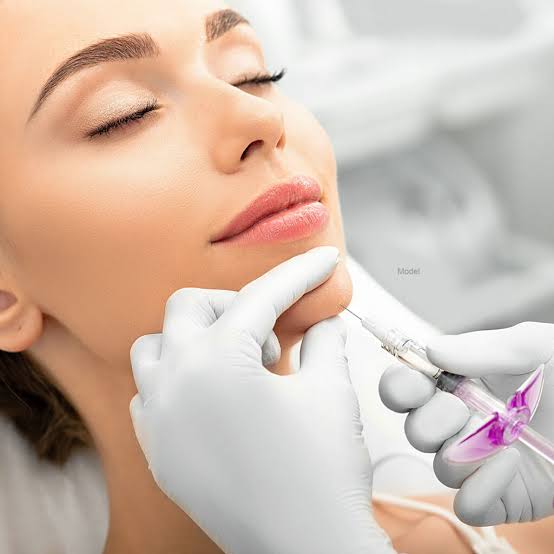
For someone concerned about loose or less defined cheeks, 8 Point Facelift in Abu Dhabi may be an option worth learning about. The treatment is a non-surgical approach that uses carefully placed injectable filler to support facial contours. Whether it suits a particular person depends on the cause and degree of cheek sagging, facial anatomy, skin quality, and personal goals. A qualified practitioner can assess these factors and explain what results may be realistic.
What Is an 8 Point Facelift?
An 8 Point Facelift is a facial-contouring technique in which filler is placed at selected points to support areas such as the cheeks, midface, jawline, and lower face. Rather than treating every crease separately, the approach aims to restore structure in key areas. The exact placement and amount of filler vary according to the individual’s features and treatment plan.
The name describes a commonly used framework, not a fixed formula. Some people may need attention to only a few areas, while others may benefit from a broader plan. Assessment should take the whole face into account so that changes look balanced rather than overly prominent.
Can It Help With Sagging Cheeks?
It may help when cheek sagging is mild or moderate and is partly related to reduced facial volume or support. Adding volume in selected areas can make the midface look more lifted and defined. This may also soften the appearance of some folds around the nose and mouth, although those lines may not disappear completely.
Filler does not tighten skin in the same way as surgery. If sagging is pronounced, or if loose skin is the main concern, an injectable approach may offer limited improvement. A practitioner can discuss whether another option is more appropriate, or whether a modest result from filler would still meet the person’s expectations.
Who May Be a Suitable Candidate?
A suitable candidate is generally someone seeking a subtle improvement in facial support and contour, rather than a dramatic change. The consultation should cover health history, previous cosmetic treatments, facial proportions, and the person’s preferred outcome.
The approach may be considered by people who:
- Notice mild or moderate loss of cheek definition
- Want a non-surgical option for facial contouring
- Prefer gradual, natural-looking changes
- Understand that results vary and are not permanent
- Are comfortable with a personalised treatment plan
Suitability cannot be confirmed from age or appearance alone. A professional assessment is important, especially when facial asymmetry, significant skin laxity, or underlying health concerns may affect the plan.
When Might It Not Be the Right Choice?
An 8 Point Facelift may not be the best fit for someone expecting a surgical lift or a complete correction of loose skin. It may also be unsuitable when the desired change cannot be achieved safely or proportionately with filler.
Some people may benefit more from a different approach, or from no treatment at all. A responsible consultation should include a clear explanation of limitations, alternatives, and the likely degree of visible change. The person should have time to consider the information without feeling pressured to proceed.
What Happens During a Consultation?
The consultation is an opportunity to discuss concerns and decide whether the technique matches the person’s goals. The practitioner may examine facial movement, skin quality, cheek structure, and the relationship between the midface and lower face. Photographs may be used to support planning, subject to consent.
The person can ask which areas would be treated, why those areas were selected, and what kind of result is achievable. They should also ask about the practitioner’s qualifications, the type of filler being used, and how the treatment plan will be reviewed. Clear communication helps align expectations and supports informed decision-making.
What Results Can Someone Expect?
Results depend on the starting facial structure, the placement and amount of filler, and the body’s response. Some people notice improved cheek definition and a more supported appearance. The goal is usually to complement existing features, not to make the face look noticeably different.
The outcome is not permanent. Filler gradually changes over time, so any future treatment should be considered only after a fresh assessment. A practitioner can explain the expected duration for the specific filler and individual treatment plan without promising a particular result.
Frequently Asked Questions
Does an 8 Point Facelift lift the cheeks?
It can create a lifted appearance by adding support to selected facial areas. It does not physically reposition tissue as a surgical procedure would, so the degree of improvement is usually more subtle.
Is the treatment suitable for severe cheek sagging?
Severe sagging may not respond sufficiently to filler alone. A consultation can help determine whether the concern is mainly related to volume loss, skin laxity, or a combination of factors.
Will the result look natural?
A natural-looking result depends on careful planning, appropriate placement, and a measured amount of filler. The person’s facial proportions and preferences should guide the treatment rather than a standard template.
How long does the result last?
Duration varies according to the filler, treatment area, and individual factors. The practitioner can provide guidance based on the proposed product and explain when a review may be appropriate.
Can the treatment be customised?
Yes. The number and location of treatment points can be adapted to the person’s facial anatomy and goals. The “eight points” should not be treated as a requirement for every face.
Making an Informed Decision
For mild or moderate cheek sagging linked to reduced facial support, an 8 Point Facelift may offer a non-surgical way to improve definition. It is less likely to meet expectations when the main concern is substantial loose skin or a desire for a dramatic lift. A personalised assessment, realistic goals, and a clear discussion of alternatives are essential. The most suitable choice is the one that respects the person’s features and priorities while setting honest expectations.