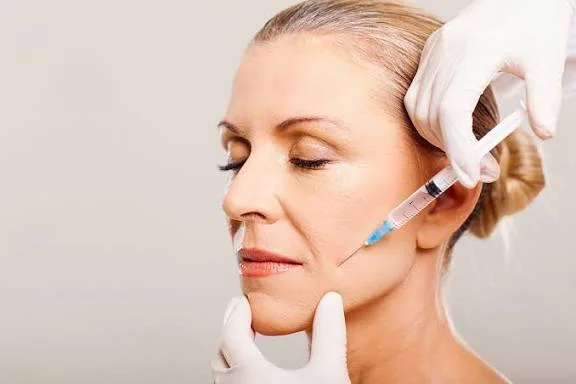
Facial aging can involve several changes at the same time, including dynamic wrinkles, fine lines, reduced skin smoothness, and gradual loss of facial volume. Because these concerns affect the face in different ways, combining complementary aesthetic approaches can sometimes create a more balanced appearance. Wrinkle Smoothing in Abu Dhabi focuses on softening the appearance of expression-related lines, while dermal fillers are generally used to restore or enhance facial volume in selected areas. Understanding how these approaches differ and complement one another can help explain why they may be considered together.
How Wrinkle Smoothing Works
Wrinkle smoothing treatments are commonly designed to reduce the appearance of dynamic facial lines. These wrinkles develop through repeated muscle movement during expressions such as smiling, frowning, squinting, or raising the eyebrows.
By temporarily reducing the activity of specific facial muscles, wrinkle smoothing can make the overlying skin appear smoother. The treatment is particularly associated with expression lines that become more noticeable during facial movement.
The goal is generally not to eliminate natural facial expression but to create a smoother and more refreshed appearance while maintaining facial character.
How Dermal Fillers Work
Dermal fillers address a different aspect of facial aging. Instead of focusing primarily on muscle movement, fillers are designed to add volume beneath the skin in selected areas.
Facial volume can naturally change over time, affecting areas such as the cheeks, lips, temples, chin, and certain facial contours. When volume decreases, the face may appear less defined or develop folds and depressions.
Fillers can help restore or enhance volume in appropriate areas, contributing to a more supported and balanced facial appearance. Because they address volume rather than muscle movement, their role is different from wrinkle smoothing.
Why Can Wrinkle Smoothing and Fillers Complement Each Other?
Wrinkle smoothing and dermal fillers can complement one another because they address different causes of facial aging. Wrinkle smoothing focuses primarily on dynamic lines created by muscle activity, while fillers address volume loss and contour changes.
For example, someone may have expression lines around the forehead while also experiencing reduced cheek volume. Addressing only one concern may leave the other visible. A carefully planned combination can target both aspects and create a more comprehensive facial rejuvenation approach.
The objective is not necessarily to use more treatment but to address the specific factors contributing to the individual’s appearance.
Can Combining Treatments Create a More Balanced Appearance?
Facial harmony depends on the relationship between different features rather than a single area. When wrinkles and volume loss occur together, treating both concerns appropriately may produce a more balanced result.
Wrinkle smoothing can soften the visual prominence of expression lines, while fillers can enhance selected contours or restore lost volume. When these approaches are carefully coordinated, the overall appearance may look smoother and more refreshed without changing the person’s fundamental facial identity.
A balanced approach is especially important because excessive correction in one area can make the face appear less natural.
Which Facial Concerns Can Be Addressed Together?
The combination may be considered when someone has both dynamic wrinkles and areas of volume deficiency. Forehead lines, frown lines, and certain lines around the eyes may respond to wrinkle smoothing, while reduced cheek volume, lip volume, or changes in facial contour may be addressed with fillers.
Different concerns require different treatment strategies. A wrinkle caused primarily by muscle movement is not addressed in exactly the same way as a crease associated with volume loss.
Understanding this distinction allows treatment planning to focus on the actual cause of each visible concern.
Can Wrinkle Smoothing Enhance the Results of Fillers?
Wrinkle smoothing may complement the appearance created by fillers by reducing the visual prominence of expression-related lines surrounding areas where volume has been restored.
For example, restoring volume in a particular facial region may improve contour, while reducing excessive muscle movement in nearby areas can help create a smoother transition.
The two treatments can therefore work together as part of a broader facial rejuvenation strategy. Their complementary nature comes from addressing separate mechanisms of facial aging rather than performing the same function.
Does Everyone Need Both Treatments?
No. Not everyone needs a combination of wrinkle smoothing and dermal fillers. Some people may primarily have dynamic wrinkles and little noticeable volume loss, while others may be more concerned about facial volume and contour.
Treatment should be based on the individual’s facial structure, skin characteristics, concerns, and desired outcome. Using both approaches when only one is necessary may not provide additional value.
A personalized assessment can help determine whether one treatment or a combination would better match the person’s aesthetic goals.
How Are Combination Treatments Planned?
Effective treatment planning begins with understanding how the face moves and how its structure has changed over time. Dynamic wrinkles should be assessed separately from static lines, volume changes, and differences in facial contour.
The areas being treated also need to be considered in relation to one another. Facial features are interconnected, so changes in one region can influence the overall appearance.
A thoughtful treatment plan focuses on subtle improvements and appropriate proportions. The aim is to preserve natural facial movement and individuality while improving areas that have become more noticeable with age.
Can This Approach Support Natural-Looking Results?
Natural-looking results depend heavily on moderation and appropriate treatment selection. Wrinkle smoothing should be used to soften excessive expression-related lines rather than completely removing all facial movement.
Similarly, fillers are generally intended to restore or enhance appropriate volume rather than dramatically increase facial fullness. When both approaches are used with a conservative and individualized strategy, the result can appear more harmonious.
The most effective approach is often one that improves signs of aging without making it obvious that multiple aesthetic treatments have been performed.
What Should You Consider Before Combining Them?
Before combining wrinkle smoothing with dermal fillers, it is useful to identify the specific concerns that are affecting the face. A person may initially describe their concern as wrinkles, but the appearance may also be influenced by volume loss, skin texture, or changes in facial contour.
Understanding the difference between dynamic wrinkles and volume-related folds can help determine which treatment is relevant. Personal goals are also important because someone seeking subtle refreshing may require a different approach from someone wanting more noticeable contour enhancement.
The timing and sequence of treatments can also be planned according to the individual’s needs and the areas being addressed.
Why a Personalized Approach Matters
Every face ages differently. Some people develop prominent forehead lines while retaining much of their facial volume, whereas others experience significant volume changes with relatively subtle dynamic wrinkles.
For this reason, there is no universal combination that works equally well for everyone. The most suitable approach depends on facial anatomy, movement patterns, skin condition, existing volume, and aesthetic preferences.
Personalized treatment planning helps ensure that each concern is addressed according to its underlying cause rather than treating the entire face in the same way.
Final Thoughts
Wrinkle Smoothing Abu Dhabi can complement dermal fillers because the two approaches address different aspects of facial aging. Wrinkle smoothing primarily targets dynamic expression lines, while dermal fillers focus on restoring or enhancing facial volume and contour. When appropriately selected and carefully coordinated, they may provide a more comprehensive approach to achieving smoother, balanced, and refreshed-looking facial features. The key is to focus on individual concerns, maintain natural proportions, and use each treatment for the purpose it is best suited to address.
FAQs
Can wrinkle smoothing be used with dermal fillers?
Yes, the two treatments can be combined when both dynamic wrinkles and volume changes are present.
Do fillers and wrinkle smoothing work differently?
Yes. Wrinkle smoothing primarily targets muscle activity, while fillers address volume and contour.
Can combining them improve facial balance?
Yes, addressing different signs of aging may create a more harmonious overall appearance.
Does everyone need both treatments?
No. The appropriate treatment depends on the individual’s concerns, facial structure, and aesthetic goals.
Can combination treatments look natural?
Yes, when treatments are appropriately selected and used conservatively, they can support a natural-looking result.