
A well-timed facial procedure can make a meaningful difference in overall facial balance, especially when the upper lip appears elongated or the vermilion show is less visible than desired. Lip Lift Surgery Dubai can work best when the person’s facial proportions, goals, skin characteristics, and expectations are carefully considered before treatment. The procedure focuses on shortening the distance between the nose and upper lip while creating a more defined appearance around the mouth. When the timing and treatment plan are appropriate, the outcome can look subtle, balanced, and naturally integrated with the rest of the face.
When Is Lip Lift Surgery Most Suitable?
Lip lift surgery tends to work best when the main concern is related to the proportions of the upper lip and the area between the nose and mouth. A longer philtrum can sometimes make the upper lip appear less prominent, even when the lips themselves have adequate volume. In such situations, changing the position of the upper lip rather than simply increasing its volume may provide a more proportionate appearance.
Suitable circumstances can include:
- A naturally long distance between the nose and upper lip
- Limited upper-lip visibility when the face is relaxed
- A desire for greater definition around the upper lip
- Facial proportions that would benefit from subtle structural refinement
- Realistic expectations about the type of change surgery can provide
The procedure is generally most effective when the desired improvement is based on facial structure rather than a temporary change in lip fullness.
How Does Facial Proportion Affect the Outcome?
Facial proportion plays an important role in determining when a lip lift can work particularly well. The upper lip does not exist independently from the nose, chin, cheeks, and lower face. A change in one area can influence the overall visual balance of the face.
An appropriately planned lift considers the relationship between the upper lip and surrounding features. The amount of tissue that can be adjusted depends on individual anatomy, including the length of the philtrum, natural lip shape, skin elasticity, and the position of the upper lip.
A proportionate approach helps maintain a natural-looking relationship between the upper and lower lips. Rather than focusing only on making the upper lip more visible, treatment planning generally considers how the entire lower third of the face appears.
Why Does Skin Elasticity Matter?
Skin characteristics can influence how the treated area responds to surgical adjustment. Healthy and reasonably elastic skin may adapt more predictably to the repositioning involved in a lip lift.
Skin elasticity varies from person to person and can be influenced by age, genetics, sun exposure, lifestyle factors, and natural collagen levels. The quality and thickness of the skin around the nose and upper lip can also affect how the final contour develops.
A suitable assessment of skin characteristics allows the treatment approach to be tailored to the individual rather than relying on a standard amount of tissue adjustment.
When Can a Lip Lift Create Better Facial Balance?
A lip lift may be particularly useful when the upper lip appears visually smaller because of the distance between the nose and mouth rather than because of insufficient lip tissue.
By repositioning the upper lip, the vermilion border can become more visible. This can create a more defined appearance and may help the mouth look better proportioned within the lower third of the face.
The goal is usually not dramatic transformation. Instead, successful treatment aims to create a refined relationship between the upper lip, nose, and surrounding facial structures.
How Does the Treatment Process Work?
The treatment process begins with an assessment of facial anatomy and the person’s aesthetic objectives. The area around the nose and upper lip is evaluated to determine whether surgical repositioning can address the concern effectively.
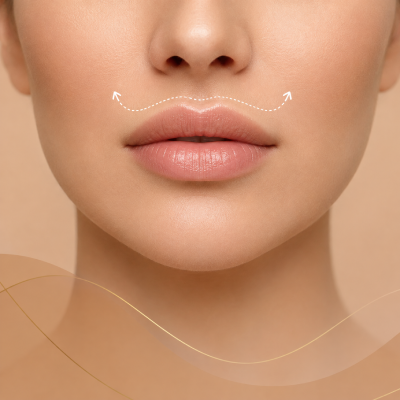
The procedure generally involves creating an incision in the natural crease beneath the nose. A carefully planned amount of tissue is removed, and the upper lip is repositioned to create increased vermilion visibility and a shorter appearance of the philtrum.
The incision is then closed in a way that follows the natural contours beneath the nose. Precise planning is important because the amount of tissue removed influences the final position and proportions of the upper lip.
What Benefits Can Be Expected?
When appropriately selected and planned, a lip lift can provide several aesthetic benefits. The changes are focused on the structure and positioning of the upper lip rather than simply adding volume.
Potential benefits include:
- Greater visibility of the upper lip
- Improved definition of the vermilion border
- A more balanced distance between the nose and mouth
- Enhanced appearance of the upper-lip shape
- Improved harmony within the lower third of the face
- A refreshed and refined facial appearance
The result can be especially noticeable when the original concern involves a longer philtrum or limited upper-lip show.
When Does Age Become Relevant?
Age alone does not determine whether a lip lift is appropriate. Facial anatomy, skin condition, personal goals, and overall suitability are generally more important factors.
As facial structure changes over time, the distance between the nose and upper lip may appear longer. Some individuals may therefore consider a lip lift as part of facial rejuvenation. However, younger individuals with naturally longer philtrums may also be candidates when their facial development is complete and their expectations are realistic.
The most appropriate timing depends on individual circumstances rather than a specific age threshold.
Why Are Realistic Expectations Important?
A lip lift can alter the position and visibility of the upper lip, but it cannot completely redesign the face. Understanding the achievable level of change helps create a more satisfying treatment experience.
Realistic expectations involve recognizing that facial anatomy places natural limits on how much the upper lip can be elevated. The intended result is generally improved proportion rather than an exaggerated appearance.
Clear communication about the desired shape, amount of vermilion show, and overall facial balance can help establish an appropriate treatment plan.
What Can Influence Long-Term Results?
The durability of a surgical lip lift is one reason why treatment timing and planning matter. Unlike temporary approaches that primarily affect volume, a surgical lift changes the relationship between the upper lip and the tissue beneath the nose.
Long-term appearance can still be influenced by natural aging, changes in facial tissues, and individual healing characteristics. Maintaining realistic expectations about these natural changes is important when considering the procedure.
The final appearance should be assessed as part of the person’s overall facial structure rather than judged solely by the size or visibility of the lips.
How Does Healing Affect the Final Appearance?
The treated area continues to settle as healing progresses. Early changes do not necessarily represent the final result, because swelling and tissue remodeling can temporarily influence the appearance of the upper lip and the area beneath the nose.
As healing advances, the contours generally become more settled and the relationship between the upper lip and surrounding facial structures becomes easier to appreciate.
Patience during this period is important. The final outcome should be evaluated after sufficient healing rather than immediately after the procedure.
What Is the Difference Between a Subtle and Dramatic Result?
A subtle result focuses on improving facial harmony while preserving the person’s natural characteristics. The upper lip may become more visible without appearing excessively elevated.
A dramatic result involves a more noticeable change in lip position and facial proportions. Whether this is appropriate depends on anatomy and the individual’s aesthetic goals.
For many people, a balanced outcome is preferable because it allows the upper lip to look naturally integrated with the rest of the face.
What Questions Should Be Considered Before Treatment?
Several questions can help determine whether the timing and treatment approach are appropriate:
Is the philtrum relatively long?
A longer philtrum can make a person consider a lip lift because shortening its visual appearance may improve facial proportions.
Is the upper lip naturally defined?
If the upper lip has suitable structure but appears less visible because of its position, surgical repositioning may address the underlying concern.
Are expectations realistic?
Understanding what surgery can and cannot accomplish helps establish appropriate goals.
Is the person prepared for a surgical procedure?
A lip lift requires a commitment to the surgical process and healing period, making personal readiness an important consideration.
Has facial development been completed?
For younger individuals, treatment planning should take facial development into account before considering elective structural changes.
Frequently Asked Questions
When does a lip lift work best?
A lip lift generally works best when the primary concern is a relatively long philtrum, limited upper-lip visibility, or an imbalance between the upper lip and surrounding facial features.
Does a lip lift mainly add volume?
No. A lip lift primarily changes the position and visibility of the upper lip. It is different from approaches that focus mainly on increasing lip volume.
Can the procedure improve facial proportions?
It can improve the perceived relationship between the nose, upper lip, and lower third of the face when the person’s anatomy is suitable for the procedure.
How long does it take to see the final result?
The appearance develops gradually as the treated tissues settle. The early postoperative appearance should not be considered the final outcome.
Can the procedure create a natural-looking result?
When the amount of tissue adjustment is carefully planned according to individual facial proportions, the result can appear subtle and harmonious.
Is age the main factor in deciding when to have a lip lift?
No. Age is only one consideration. Facial anatomy, skin characteristics, completed facial development, goals, and realistic expectations are also important.
Conclusion
Lip Lift Surgery can work best when the procedure is matched carefully to facial anatomy, upper-lip proportions, skin characteristics, and realistic aesthetic goals. The most suitable timing is not determined by age alone but by whether the structural features of the upper lip and philtrum can benefit from repositioning. A thoughtful approach can enhance vermilion visibility, improve facial balance, and create a refined appearance while preserving natural proportions. Understanding the process, potential benefits, healing progression, and individual anatomical factors allows the treatment to be considered with greater confidence and informed expectations.