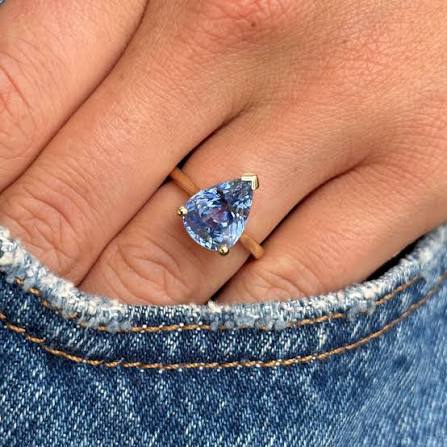
When it comes to choosing a distinctive symbol of love, engagement rings with blue sapphires offer a beautiful alternative to traditional diamond rings. Their rich blue color, timeless appeal, and excellent durability make them a meaningful choice for couples who want something elegant yet individual. Blue sapphires can range from soft cornflower blue to deep, saturated royal blue, giving couples plenty of options when selecting a stone that reflects their personal style.
Sapphire is also one of the most durable gemstones used in fine jewelry. With a hardness of 9 on the Mohs scale, it is well suited to an engagement ring that will be worn regularly.
Why Choose a Blue Sapphire Engagement Ring?
A blue sapphire engagement ring stands out without sacrificing sophistication. While diamonds remain a classic choice, sapphire introduces color and personality to an engagement ring while maintaining a refined appearance.
Blue sapphires have also carried symbolic associations with sincerity, faithfulness, truth, and nobility throughout history. These meanings make the gemstone particularly appropriate for an engagement ring representing a lasting relationship. Sapphire is additionally the September birthstone, making it an especially meaningful option for someone born during that month.
Another advantage is versatility. Blue sapphire works beautifully with diamonds, other gemstones, and different precious metals. Whether you prefer a vintage-inspired design, a minimalist solitaire, or a contemporary halo setting, the gemstone can adapt to many aesthetics.
What Makes Blue Sapphires So Special?
The beauty of a sapphire is largely influenced by its color. According to the Gemological Institute of America (GIA), the most highly valued blue sapphires generally have a velvety blue to violetish-blue appearance, medium to medium-dark tone, and strong to vivid saturation.
However, choosing a sapphire is not simply about finding the darkest blue stone available. A stone that is excessively dark may lose brightness and appear less lively. Instead, look for a sapphire with attractive saturation and enough brightness to remain visually vibrant.
Blue sapphires can also show different shades depending on their origin and individual characteristics. Some appear bright and cornflower-like, while others have a deeper royal or midnight-blue appearance. This variety allows shoppers to find a stone that complements their personality and preferred jewelry style.
Popular Styles of Engagement Rings With Blue Sapphires
There are many ways to incorporate a blue sapphire into an engagement ring. Your ideal design will depend on your style, lifestyle, and preference for traditional or contemporary jewelry.
Blue Sapphire Solitaire Rings
A solitaire design places the sapphire at the center of attention. Without multiple surrounding gemstones competing for attention, the blue stone becomes the main visual feature.
This style is ideal for someone who appreciates clean, understated jewelry. An oval, round, cushion, or emerald-cut sapphire can each create a different appearance while maintaining the simplicity of a solitaire setting.
Blue Sapphire Halo Rings
A halo setting surrounds the central sapphire with smaller diamonds or gemstones. The contrast between the blue center stone and sparkling surrounding diamonds creates an eye-catching look.
Halo rings are particularly useful for adding visual presence to the center gemstone. A well-designed halo can also emphasize the shape and color of the sapphire.
Blue Sapphire and Diamond Rings
Combining blue sapphire with diamonds creates a classic contrast between rich color and bright sparkle. Diamonds can be positioned beside the sapphire as side stones, surrounding it as a halo, or incorporated into the band.
This combination works well for couples who want the distinctive appearance of sapphire while retaining some of the brilliance traditionally associated with diamond engagement rings.
Three-Stone Sapphire Rings
Three-stone rings can carry a particularly meaningful message, with the stones often representing the past, present, and future of a relationship.
A central blue sapphire paired with two diamonds creates an elegant balance of color and sparkle. Alternatively, smaller sapphires can be used alongside a central diamond for a different interpretation of the classic three-stone style.
Vintage-Inspired Sapphire Rings
Blue sapphire has a natural connection with vintage and heirloom-inspired jewelry. Art Deco designs, intricate milgrain details, engraved bands, and geometric settings can enhance the gemstone’s sophisticated character.
For someone who loves antique-inspired fashion, a vintage-style sapphire engagement ring can offer a distinctive alternative to more conventional designs.
How to Choose the Right Blue Sapphire
Selecting the right sapphire requires more than choosing a color you like. Several factors influence its appearance and overall value.
Consider Color First
Color is one of the most important factors when evaluating a blue sapphire. Look for a stone with attractive saturation, good brightness, and a blue hue that appeals to you.
A vivid blue does not necessarily mean the stone should be extremely dark. The goal is to find a balance between intensity and brightness.
Pay Attention to Cut
The cut affects how a sapphire interacts with light and how attractive it appears when viewed from above. A well-cut sapphire should display lively reflections and an even visual appearance.
Different cuts also create different personalities. Oval sapphires can provide an elongated appearance, while round cuts offer a classic look. Cushion cuts can feel romantic and vintage-inspired, while emerald cuts create a more sophisticated, geometric appearance.
Understand Clarity
Blue sapphires commonly contain inclusions, and extremely high clarity is relatively rare. Not every inclusion is necessarily a problem. The key consideration is whether inclusions affect the stone’s beauty or durability.
GIA notes that inclusions can sometimes contribute to the characteristic appearance of certain sapphires, although inclusions that threaten durability can negatively affect a stone’s value.
Check Treatments
Many sapphires available in the jewelry market have undergone treatment, particularly heat treatment, to improve their color or appearance. Heat treatment is widely accepted in the gemstone industry, but buyers should understand what treatment a stone has received.
When purchasing an important gemstone, ask the jeweler about treatment and documentation. A laboratory identification report can provide useful information about whether a sapphire is natural or laboratory-grown and whether detectable treatments are present.
Which Metal Looks Best With a Blue Sapphire?
The metal you choose can significantly influence the overall appearance of your ring.
White Gold or Platinum
White metals create a crisp contrast with blue sapphire. They can give the ring a modern and sophisticated appearance while allowing the gemstone’s color to remain the focal point.
Yellow Gold
Yellow gold produces a warmer contrast with blue sapphire. The combination can feel luxurious, romantic, and traditional.
Rose Gold
Rose gold offers a softer contrast. Its warm pink tone can create a contemporary and feminine appearance when paired with a blue center stone.
There is no universally best metal. The right choice depends on your personal taste, existing jewelry collection, and the overall design you want.
Are Blue Sapphires Good for Everyday Engagement Rings?
Yes. Sapphire is particularly well suited to everyday jewelry because it ranks 9 on the Mohs hardness scale and has excellent toughness. It also lacks cleavage, meaning it does not have a natural plane along which it tends to split.
However, durability does not mean a sapphire ring is impossible to damage. The setting, prongs, band, and gemstone itself should still be treated with care.
Removing your ring during activities that could expose it to strong impacts or harsh chemicals can help protect it over time.
How to Care for a Blue Sapphire Engagement Ring
Regular maintenance can help preserve the beauty of your sapphire ring.
For many sapphire rings, cleaning with warm, soapy water and a soft brush is an effective approach. GIA recommends warm, soapy water as a safe cleaning method for sapphire, while certain treated stones may require additional precautions.
Consider these simple care habits:
- Remove your ring during heavy physical activities.
- Avoid exposing treated gemstones to chemicals unless you know the treatment is stable.
- Clean the ring regularly with an appropriate gentle method.
- Have the setting checked periodically for loose or damaged prongs.
- Store the ring separately from jewelry that could scratch its surface.
If you are unsure about the treatment of your sapphire, ask a qualified jeweler before using ultrasonic or steam cleaning.
Blue Sapphire vs. Traditional Diamond Engagement Rings
Choosing between sapphire and diamond ultimately comes down to personal priorities.
A diamond offers traditional brilliance and a familiar engagement-ring aesthetic. A blue sapphire, on the other hand, immediately introduces color and individuality.
Sapphire can also be a compelling choice for someone who wants a gemstone with historical associations and strong everyday durability. GIA describes sapphire as a durable alternative to diamond and notes its suitability for engagement rings.
Rather than thinking of sapphire as simply a replacement for diamond, consider it an opportunity to create a ring with its own identity.
How to Style Your Blue Sapphire Engagement Ring
A blue sapphire engagement ring can be styled in several ways. Pairing it with a simple wedding band keeps the center stone prominent and creates a clean appearance.
For a more coordinated look, choose a wedding band that incorporates small diamonds or complementary details from the engagement ring. Stacking multiple delicate bands can create a contemporary appearance, while a plain metal band can provide a more traditional feel.
When choosing a wedding band, consider the height and shape of the engagement ring’s setting. The right combination should allow both rings to sit comfortably together without unnecessary rubbing or pressure.
Why Blue Sapphire Rings Are a Meaningful Choice
An engagement ring is more than an accessory. It represents a personal commitment, which is why the symbolism associated with blue sapphire can make it especially meaningful.
Historically, sapphire has been associated with qualities such as sincerity, faithfulness, and nobility. Its long connection with royalty and fine jewelry has also helped establish its reputation as a gemstone of elegance and prestige.
For couples who want a ring that feels traditional but not ordinary, blue sapphire offers a compelling balance.
At Brilani, shoppers can explore jewelry designs that combine the distinctive beauty of colored gemstones with timeless engagement-ring styling, making it easier to find a piece that feels personal and memorable.
Final Thoughts
Engagement rings with blue sapphires offer an elegant way to move beyond traditional diamond designs while maintaining the durability expected from an everyday engagement ring. From classic solitaire settings and diamond halos to vintage-inspired and three-stone designs, there are countless ways to make a blue sapphire the centerpiece of your ring.
When choosing your ring, focus on the sapphire’s color, cut, clarity, treatment, setting, and metal. Most importantly, select a design that reflects your relationship and personal style. A well-chosen blue sapphire can provide not only striking color but also a timeless symbol of commitment that you can enjoy for years to come.
Frequently Asked Questions
Are blue sapphires suitable for engagement rings?
Yes. Sapphire has a Mohs hardness of 9 and good toughness, making it one of the more durable colored gemstones for everyday engagement rings.
What does a blue sapphire symbolize in an engagement ring?
Blue sapphire has traditionally been associated with sincerity, truth, faithfulness, and nobility, making it a meaningful gemstone for an engagement ring.
What is the best color for a blue sapphire engagement ring?
The ideal color is ultimately a matter of personal preference. From a gemological perspective, highly valued blue sapphires generally have strong to vivid saturation with medium to medium-dark tones and a velvety blue to violetish-blue appearance.
Are blue sapphires more affordable than diamonds?
Prices vary significantly depending on the sapphire’s color, quality, size, origin, treatment, and other characteristics. A blue sapphire should be evaluated individually rather than assuming it will always be less expensive than a diamond.
Can you wear a blue sapphire engagement ring every day?
Yes. Sapphire’s hardness and toughness make it well suited to everyday wear. However, proper care and a secure setting are still important for protecting the gemstone and ring.
How should I clean a blue sapphire engagement ring?
Warm, soapy water is generally a safe cleaning method for sapphire. If the stone has undergone a treatment that requires special care, follow the jeweler’s recommendations before using ultrasonic or steam cleaning.