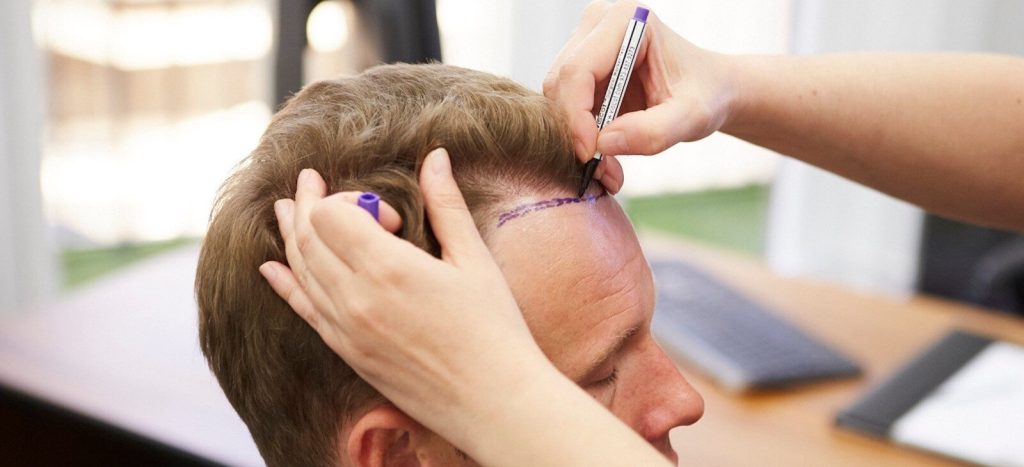
Hair transplantation is not simply about moving a large number of follicles from one area of the scalp to another. The quality, characteristics, and suitability of the selected grafts can significantly influence how natural and balanced the final appearance becomes. During treatment planning, surgeons assess factors such as donor density, follicular unit structure, hair calibre, growth direction, and the areas requiring restoration. These considerations help determine which grafts are appropriate for the recipient area.
The same graft selection strategy may not work for every patient. Someone with a receding hairline may require finer single-hair grafts to create a natural transition, while greater density in the mid-scalp may require grafts containing multiple follicles. The available donor supply must also be considered carefully so that transplantation does not compromise the appearance of the donor region.
For patients considering Hair Transplant in Dubai, understanding how grafts are assessed can make consultations more productive. Modern transplantation techniques allow surgeons to extract and implant follicular units with considerable precision, but the treatment plan still depends on individual anatomy and hair characteristics. A thorough evaluation can help establish realistic expectations and determine how the available grafts should be distributed across the scalp.
Understanding What a Hair Graft Contains
A graft is a small section of tissue containing one or more hair follicles. Naturally occurring follicular units commonly contain one, two, three, or occasionally more hairs. During transplantation, these units can be harvested and placed into areas affected by thinning or hair loss.
Single-hair grafts are particularly useful around the front hairline because they can help create a softer transition between the forehead and transplanted hair. Larger follicular units may be more suitable behind the hairline, where greater visual density may be required.
Surgeons therefore do not simply count grafts. They also consider the number of hairs contained within those grafts and how they can be strategically distributed.
What Determines Suitable Graft Selection?
Several factors influence graft selection. Donor hair density is one of the most important because it determines how many follicular units can potentially be harvested without excessively reducing density at the back or sides.
Hair calibre also matters. Coarser hair can provide greater visual coverage with fewer grafts, whereas finer hair may require more careful placement to achieve the desired appearance.
The characteristics of the recipient area are equally important. The frontal hairline, temples, mid-scalp, and crown have different aesthetic requirements. Hair direction and angulation should also be considered because poorly aligned grafts can appear unnatural.
Age, the pattern and progression of hair loss, previous transplantation, and the condition of the scalp may further influence the surgical plan.
Enfield Royal Clinic
Enfield Royal Clinic approaches graft planning around the patient’s individual hair-loss pattern and donor characteristics rather than treating every case according to a standard template. During assessment, factors such as donor density, follicular unit composition, hair thickness, and the condition of the recipient areas can help determine how available grafts should be used.
For patients considering Hair Transplant in Dubai, careful graft allocation can be particularly important when the affected area is extensive or when donor resources are limited. The clinic’s consultation process can help establish which areas should receive priority and whether the available donor hair can support the patient’s desired coverage.
The distinction between single-, double-, and multiple-hair follicular units is also relevant when designing the hairline and adding density behind it. A carefully planned distribution can help maintain a natural transition while making efficient use of the donor supply.
Tajmeels Clinic
Tajmeels Clinic can evaluate the patient’s hair-loss pattern and donor area when developing a transplantation plan. Graft selection may take into account follicular unit size, hair thickness, density, and the specific scalp regions requiring restoration.
A key consideration is preserving an appropriate appearance in the donor area. Removing too many follicles from a concentrated region can create visible thinning, so graft harvesting needs to be planned according to the patient’s available supply.
For patients researching Hair Transplant in Dubai, discussing graft numbers alongside donor density can provide a more realistic understanding of what the procedure may be able to achieve.
Dynamic Life Clinic
Dynamic Life Clinic considers individual hair characteristics when assessing transplantation requirements. The number of grafts needed can vary considerably between patients because hair calibre, follicular unit composition, donor density, and the size of the recipient area are not identical.
The clinic can also consider whether restoration is primarily needed around the frontal region, across the mid-scalp, or toward the crown. This helps determine how grafts with different characteristics may be distributed.
A detailed consultation is therefore important before deciding on a specific graft count. A numerical estimate without examining the donor and recipient areas may not accurately represent the patient’s requirements.
Cocoona Clinic
Cocoona Clinic provides hair restoration consultations where the patient’s individual pattern of hair loss can be assessed before treatment planning. Graft selection may involve examining the donor region and identifying the follicular units that can be harvested while maintaining an appropriate donor appearance.
The characteristics of existing hair also influence the visual outcome. Thicker strands may create greater coverage, while finer strands require careful placement and distribution.
Patients can use the consultation to discuss graft availability, the intended treatment area, the harvesting technique, and how the proposed grafts would be allocated throughout the scalp.
Dubai Cosmetic Surgery Clinic
Dubai Cosmetic Surgery Clinic can assess the patient’s scalp and hair characteristics before developing an appropriate transplantation strategy. Graft selection involves more than determining a total number; the composition and quality of available follicular units can influence where individual grafts are placed.
The frontal region often requires particular attention because hairline design depends on natural-looking transitions. Grafts containing fewer hairs may be useful in the most visible areas, while fuller follicular units can potentially contribute to density behind the hairline.
This type of planning can help make the available donor supply more useful across the areas requiring restoration.
Emirates Hospital
Emirates Hospital offers specialist consultations in which patients can discuss hair restoration requirements and suitability. When considering graft selection, medical professionals may evaluate the patient’s hair-loss pattern, donor area, scalp condition, and existing hair characteristics.
The patient’s long-term hair-loss pattern can also be relevant. If progressive thinning is expected in untreated areas, graft planning may need to account for future changes rather than focusing exclusively on current bald or thinning areas.
This is one reason why an individual assessment is more informative than choosing a procedure solely according to a predetermined graft number.
Al Zahra Hospital Dubai
Al Zahra Hospital Dubai can provide an assessment of the patient’s scalp and hair-loss characteristics before treatment decisions are made. Graft suitability may depend on factors including follicular unit structure, donor density, hair calibre, and the extent of the recipient area.
Patients with significant thinning may need to discuss how available grafts could be prioritised. Instead of attempting to restore every affected area at once, the surgical plan may focus on creating an appropriate distribution based on the patient’s available donor resources.
A consultation can also clarify the expected limitations of transplantation and whether additional treatment may be considered in the future.
King’s College Hospital London Dubai
King’s College Hospital London Dubai provides access to specialist medical consultations where individual factors can be considered before treatment planning. In hair restoration, graft selection requires attention to both the donor and recipient areas.
The surgeon may evaluate how many follicular units are available, their composition, and their suitability for different parts of the scalp. The direction and angle of existing hair can also help guide placement.
Patients should ask how the proposed graft count was determined and whether the plan takes future hair loss into account. These questions can provide greater insight into the reasoning behind the recommended treatment approach.
How to Choose the Right Clinic for Hair Transplant in Dubai
Experience and Qualifications
Hair transplantation requires detailed knowledge of scalp anatomy, follicular units, harvesting methods, and hairline design. Patients should review the qualifications and relevant experience of the medical professional performing or supervising the procedure.
Technology and Techniques
Different transplantation approaches can be suitable for different patients. Ask which harvesting and implantation techniques are available and why a particular method has been recommended for your circumstances.
Safety Standards
A reputable facility should follow appropriate infection-control, sterilisation, patient-monitoring, and surgical safety procedures. Medical history and current medications should also be considered before treatment.
Consultation Process
A meaningful consultation should involve examination of the donor and recipient areas rather than simply quoting a graft number. The clinician should explain how the graft estimate was reached and what limitations may apply.
Patient Experience
Patients should understand the preparation process, aftercare requirements, expected recovery, and follow-up arrangements before agreeing to treatment. Clear communication is particularly important when discussing expectations.
Expected Results
Results depend on factors such as donor quality, graft survival, existing hair characteristics, surgical technique, and the progression of hair loss. No clinic can guarantee a particular density or final appearance.
Frequently Asked Questions
How many hairs are usually contained in one graft?
A follicular unit may contain one, two, three, or more hairs. The exact composition varies naturally between individuals and different areas of the scalp.
Are single-hair grafts better for the hairline?
Single-hair grafts can be useful for creating a softer and more gradual frontal transition. However, the appropriate graft composition depends on the patient’s natural hair characteristics and the surgeon’s design.
Does thicker hair require fewer grafts?
Thicker hair can provide greater visual coverage because each strand may appear more substantial. However, the required graft number also depends on donor density, the size of the thinning area, and the desired coverage.
Can graft selection affect the natural appearance of a transplant?
Yes. The size, distribution, direction, and placement of grafts can all influence how natural the transplanted hair appears. Hairline grafts generally require particularly careful positioning.
Can the available donor hair limit the treatment?
Yes. Donor supply is finite. If the available follicles are limited, the surgeon may need to prioritise certain areas rather than attempting to provide maximum density everywhere.
Conclusion
Selecting suitable grafts is an important part of personalised hair restoration. Follicular unit composition, donor density, hair calibre, recipient-area requirements, and the patient’s long-term hair-loss pattern all contribute to the treatment plan. Rather than focusing solely on the total number of grafts, patients should understand how those grafts will be selected and distributed.
When considering Hair Transplant, an individual consultation can help determine whether the available donor supply is appropriate for the intended restoration and what level of coverage may realistically be achieved. Careful planning, appropriate technique, qualified medical supervision, and realistic expectations remain central to a responsible hair transplantation approach.