Introduction
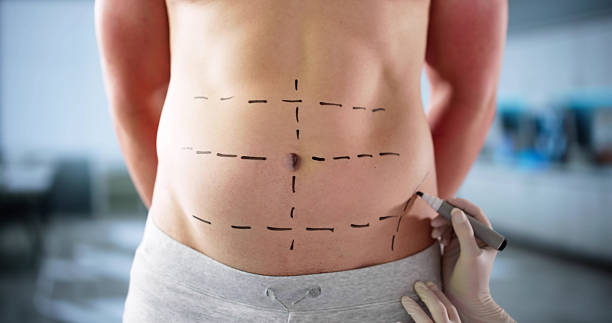
A tummy tuck is a surgical body-contouring procedure designed to improve the appearance and shape of the abdominal area. For people concerned about loose skin, stretched abdominal tissues, or an uneven abdominal profile, Tummy Tuck in Abu Dhabi may be considered as part of a personalized approach to abdominal contouring. The procedure focuses on creating a smoother and more defined abdominal appearance by addressing specific structural and aesthetic concerns.
Understanding Abdominal Contours
Abdominal contours are influenced by several factors, including skin elasticity, the distribution of tissue, abdominal muscle condition, and changes in body shape over time. Pregnancy, significant weight changes, and natural aging can alter the abdominal profile and leave excess skin or a less defined appearance.
A tummy tuck focuses on improving these visible characteristics. Rather than being primarily intended to reduce overall body weight, it is generally associated with reshaping the abdominal region and creating a more streamlined contour.
How Does a Tummy Tuck Improve Abdominal Shape?
A tummy tuck can improve abdominal contours by removing selected excess skin and reshaping the remaining tissues. During the procedure, the abdominal area is carefully addressed to create a smoother transition between the upper and lower abdomen.
The resulting contour may appear more balanced because loose or excess skin is reduced and the remaining tissue is positioned more deliberately. The degree of improvement depends on the individual’s existing abdominal structure, skin characteristics, and the amount of tissue being addressed.
Addressing Loose Abdominal Skin
Loose skin can be one of the most noticeable factors affecting abdominal contours. When skin has been significantly stretched, it may not return completely to its previous shape. This can create folds or a hanging appearance, particularly around the lower abdomen.
A tummy tuck can focus on removing an appropriate amount of excess skin while improving the overall surface of the abdomen. By doing so, the abdominal profile can look smoother and more streamlined.
Creating a Smoother Lower Abdomen
The lower abdomen is often an important area when considering abdominal contouring. Excess skin or changes in tissue distribution can make this region appear less defined.
A tummy tuck can reshape this area by addressing loose tissue and creating a more even abdominal surface. The goal is not simply to remove tissue but to establish a proportionate contour that works with the individual’s existing body shape.
Can Tummy Tuck Improve Abdominal Definition?
A tummy tuck can contribute to improved abdominal definition when excess skin and certain underlying tissue changes are responsible for a less defined appearance. The procedure can create a flatter-looking and more structured abdominal profile.
However, the final appearance varies from person to person. Factors such as skin quality, existing tissue, body proportions, and the extent of the procedure can influence how much definition becomes visible.
Tummy Tuck After Pregnancy
Pregnancy can produce substantial changes in the abdominal region. The skin may stretch considerably, while the abdominal tissues can also change as the body adapts during pregnancy.
After pregnancy, some individuals may experience persistent loose skin or changes in abdominal shape. A tummy tuck may be considered when these concerns remain and the individual is seeking surgical abdominal contouring. The procedure can focus on restoring a smoother and more balanced appearance to the abdominal area.
Tummy Tuck After Major Weight Changes
Significant weight changes can leave excess abdominal skin that does not conform closely to the body’s new shape. This can affect the appearance of the waistline and abdominal profile even when a person’s weight has become relatively stable.
Tummy tuck surgery can address selected areas of excess skin and reshape the abdominal region. This can make the transition between the abdomen and surrounding body areas appear more defined.
The Role of Abdominal Muscle Structure
Abdominal contouring is not determined by skin alone. Changes in the abdominal wall can also influence the appearance of the midsection. In appropriate cases, tummy tuck surgery may involve addressing separated or weakened abdominal tissues as part of the overall surgical plan.
When this is appropriate, improving the underlying abdominal structure can contribute to a more supported and defined appearance. The specific approach depends on the individual’s anatomy and treatment goals.
How Natural-Looking Contours Are Created
An effective abdominal contour is not necessarily about making the abdomen appear extremely flat or tight. Proportion and balance are also important. A natural-looking result generally considers the relationship between the abdomen, waist, hips, and surrounding body areas.
During treatment planning, the desired contour can be considered alongside the individual’s natural proportions. This helps establish an outcome that looks consistent with the overall body shape rather than appearing disconnected from it.
Factors That Influence Tummy Tuck Results
The effectiveness of a tummy tuck for abdominal contouring can depend on several individual factors. Skin elasticity, the amount of excess tissue, abdominal structure, body proportions, and the extent of reshaping required can all influence the outcome.
Realistic expectations are also important. A tummy tuck can improve specific contour concerns, but it does not completely change the body’s natural structure. The outcome is shaped by the individual’s anatomy and the surgical approach selected for their needs.
Tummy Tuck and Overall Body Proportions
Abdominal contouring can influence how the waist and midsection appear in relation to the rest of the body. Removing excess skin and improving abdominal structure may create a more defined transition around the waist.
The objective is generally to achieve harmony between different body areas. A carefully planned tummy tuck can therefore focus not only on the abdomen itself but also on how the abdominal contour contributes to the overall silhouette.
Is Tummy Tuck a Weight-Loss Procedure?
A tummy tuck is primarily a body-contouring procedure rather than a weight-loss treatment. Its purpose is to address concerns such as excess skin and changes in abdominal tissue rather than to produce substantial overall weight reduction.
Individuals considering the procedure generally benefit from understanding this distinction. Body contouring and weight management are separate goals, and a tummy tuck is focused on improving shape and appearance.
What to Expect From Abdominal Contouring Goals
People seek abdominal contouring for different reasons. Some may want to reduce the appearance of loose skin, while others may be concerned about an uneven abdominal profile following pregnancy or substantial body changes.
The procedure can be tailored around these concerns. The expected outcome should be discussed during an individual assessment so that the approach corresponds with the person’s anatomy and desired abdominal appearance.
Maintaining the Appearance of Improved Contours
The appearance achieved through abdominal contouring can be influenced by future changes in body shape. Maintaining a relatively stable body weight and following the recommended recovery and activity guidance can help support the intended contour.
Long-term changes associated with aging, pregnancy, or substantial weight fluctuations may alter abdominal shape again. Understanding these factors can help establish realistic expectations about the durability of the contour.
Conclusion
A tummy tuck can be effective for improving abdominal contours by addressing excess skin, reshaping abdominal tissues, and creating a smoother and more structured abdominal profile. It can be particularly relevant for individuals whose abdominal appearance has changed following pregnancy, major weight changes, or natural changes in skin elasticity. The extent of improvement varies according to individual anatomy and treatment goals, making personalized assessment an important part of the process.
FAQs
Is a tummy tuck effective for improving abdominal contours?
Yes, a tummy tuck can improve abdominal contours by addressing excess skin and reshaping abdominal tissues. The degree of improvement depends on individual anatomy and the treatment approach.
Can a tummy tuck make the abdomen look flatter?
A tummy tuck can create a flatter-looking abdominal profile by removing selected excess skin and improving the positioning of abdominal tissues. The final appearance varies between individuals.
Is tummy tuck surgery suitable after pregnancy?
A tummy tuck may be considered after pregnancy when persistent loose skin or changes in abdominal contour remain. Individual assessment is important to determine whether the procedure matches the person’s goals.
Can a tummy tuck improve the lower abdomen?
Yes, the lower abdomen is commonly addressed during tummy tuck surgery. Removing excess skin and reshaping the tissues can create a smoother appearance in this area.
Does a tummy tuck improve the waistline?
Abdominal reshaping can make the waistline appear more defined by improving the relationship between the abdomen and surrounding body contours.
How long can improved abdominal contours last?
The results can be long-lasting, although future pregnancy, significant weight changes, aging, and natural changes in body tissues can influence abdominal contours over time.