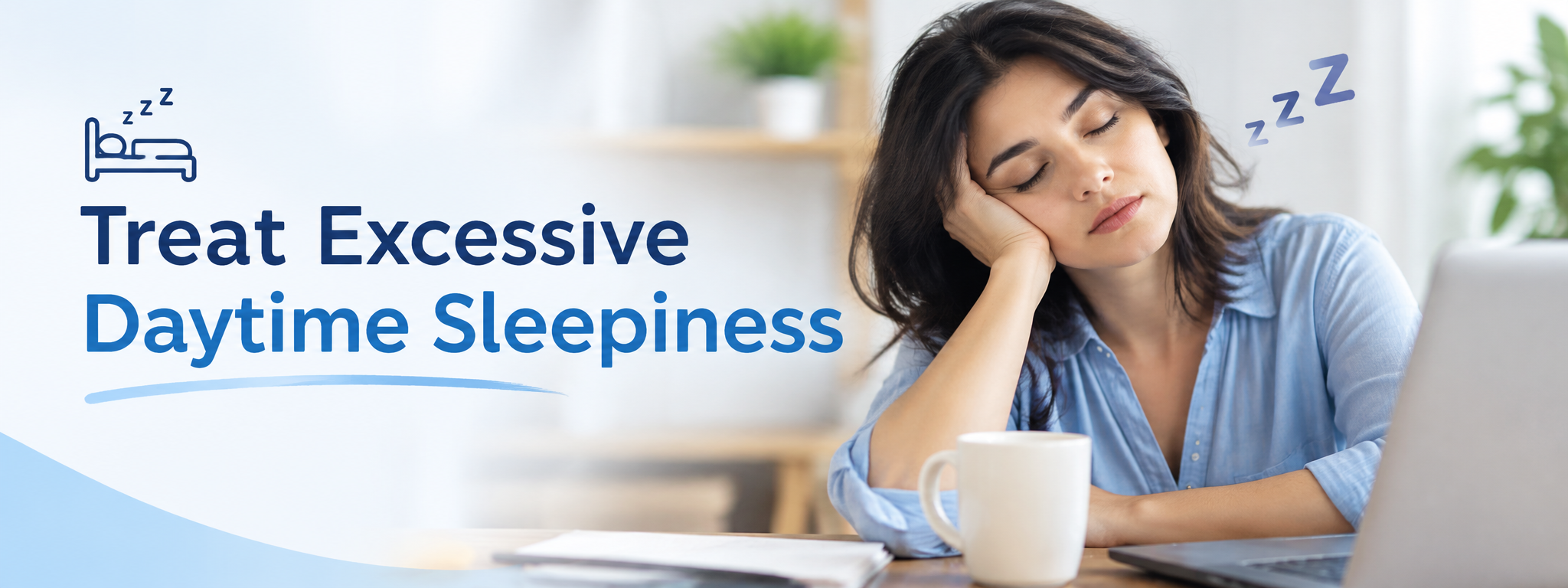
Feeling sleepy during the day can make normal activities feel harder than they should. Occasional tiredness may happen after a late night, a busy schedule, or poor-quality sleep. However, frequent daytime sleepiness can affect concentration, work performance, mood, and daily routines. Understanding the possible causes can help you find practical ways to improve your energy and stay alert.
For people who regularly struggle with excessive daytime sleepiness, a healthcare professional may discuss treatment options based on the underlying cause. Prescription medicines such as Modafresh 200 and Modalert 200 may be considered in certain situations when a doctor decides that medication is appropriate. These products should only be used according to professional medical advice, as the right treatment depends on a person’s symptoms, health history, and reason for excessive sleepiness.
What Is Daytime Sleepiness?
Daytime sleepiness means feeling unusually tired or having a strong desire to sleep during waking hours. You may notice that you struggle to keep your eyes open while working, reading, studying, watching television, or sitting quietly. Some people also find it difficult to stay focused or feel mentally active throughout the day.
Normal tiredness can improve after getting enough sleep. Persistent sleepiness, however, may continue even after what seems like a full night’s rest. When this happens often, it deserves attention rather than being treated as something you simply have to live with.
Common Causes of Daytime Sleepiness
Several everyday habits and health-related factors can contribute to daytime tiredness. Identifying the cause is an important first step toward finding relief.
Poor Sleep at Night
Not getting enough sleep remains one of the most common causes of daytime sleepiness. Staying up late, waking frequently, or changing your bedtime every night can prevent your body from getting consistent rest.
Adults generally need a regular amount of quality sleep to support normal daytime alertness. If you regularly sleep fewer hours than your body needs, sleepiness can build up over time.
Irregular Sleep Schedule
A changing sleep schedule can make it harder for your body to maintain a stable sleep-wake rhythm. Working different shifts, sleeping at different times each night, or regularly staying awake until very late can affect daytime energy.
Try to keep your bedtime and wake-up time as consistent as possible, including on weekends.
Stress and Mental Pressure
Daily stress can make it difficult to relax at night. Work pressure, personal responsibilities, financial concerns, and other sources of worry may keep your mind active when you need to sleep.
Even if you spend enough time in bed, stress can reduce the quality of your sleep and leave you feeling tired the next day.
Too Much Screen Time
Using phones, computers, and televisions late at night can make it harder to prepare for sleep. Long periods of screen use may also encourage you to delay bedtime.
Creating a relaxing evening routine and reducing screen exposure before bed can help your body prepare for sleep.
Lack of Physical Activity
A sedentary routine can contribute to low energy during the day. Regular movement supports overall health and can help maintain a healthier sleep pattern.
You do not necessarily need intense exercise. Walking, stretching, cycling, or other moderate activities can add useful movement to your daily routine.
How to Find Relief From Daytime Sleepiness
Once you understand possible causes, small changes can make a meaningful difference.
Build a Consistent Sleep Routine
Go to bed and wake up around the same time each day. A predictable routine helps your body establish a stable sleep-wake pattern.
Create a quiet environment that supports sleep. Keep your bedroom comfortable, reduce unnecessary noise, and follow a calming routine before bedtime.
Improve Your Evening Habits
Give yourself time to relax before going to bed. Avoid turning late-night hours into a period for work, heavy meals, or stimulating activities.
Reading, gentle stretching, breathing exercises, or listening to calm music may help you transition from an active day to a more restful night.
Get Natural Light During the Day
Exposure to natural daylight can support your body’s internal sleep-wake rhythm. Try spending some time outside during the morning or early part of the day.
Natural light can also encourage a healthier distinction between daytime activity and nighttime rest.
Stay Physically Active
Regular physical activity can support better sleep and daytime energy. Start with manageable activities and gradually increase your movement if needed.
If you spend most of your working day sitting, take short movement breaks. A few minutes of walking or stretching can help you avoid long periods of inactivity.
Review Your Daily Routine
Look at the habits that may contribute to tiredness. Consider your sleep schedule, workload, physical activity, evening routine, and time spent using screens.
Making several small changes may work better than trying to change everything at once.
When Should You Talk to a Doctor?
Occasional sleepiness does not always indicate a serious problem. However, frequent or severe daytime sleepiness deserves professional attention, especially when it interferes with work, driving, studying, or normal daily activities.
Talk with a healthcare professional if you regularly feel sleepy despite getting enough time for sleep, frequently wake during the night, or cannot stay alert during important activities.
A doctor can review your symptoms, sleep habits, medical history, and daily routine. They may also determine whether further evaluation is necessary.
Treatment and Professional Guidance
Treatment depends on why you experience excessive daytime sleepiness. A healthcare professional may first recommend changes to your sleep routine and daily habits. If an underlying sleep-related condition contributes to the problem, treating that condition may help improve daytime alertness.
In some cases, prescription treatment may form part of a broader management plan. Modafresh 200 and Modalert 200 may be prescribed for certain patients when a qualified healthcare professional considers them appropriate. Never change the dose, frequency, or duration of treatment without medical guidance.
People in the UK and Australia who experience persistent daytime sleepiness should also speak with an appropriate healthcare professional rather than relying only on self-treatment.
Healthy Habits for Better Daytime Alertness
A few simple habits can support better energy throughout the day:
- Keep a regular sleep and wake schedule.
- Aim for consistent, good-quality sleep.
- Get daylight exposure during the morning.
- Include regular physical activity.
- Take short breaks during long periods of sitting.
- Create a relaxing bedtime routine.
- Limit unnecessary screen use before sleep.
- Pay attention to patterns in your daytime tiredness.
- Seek professional advice when sleepiness continues.
Final Thoughts
Daytime sleepiness can result from poor sleep, an irregular routine, stress, too much screen time, limited activity, or an underlying health or sleep-related issue. Finding the cause can make it easier to choose the right approach for relief.
Start with healthy sleep habits and a consistent daily routine. If sleepiness continues despite these changes, speak with a healthcare professional. For people who need medical treatment, a doctor can determine whether prescription options are suitable based on individual needs. Taking a careful and informed approach can help you improve daytime alertness and maintain a healthier daily routine.