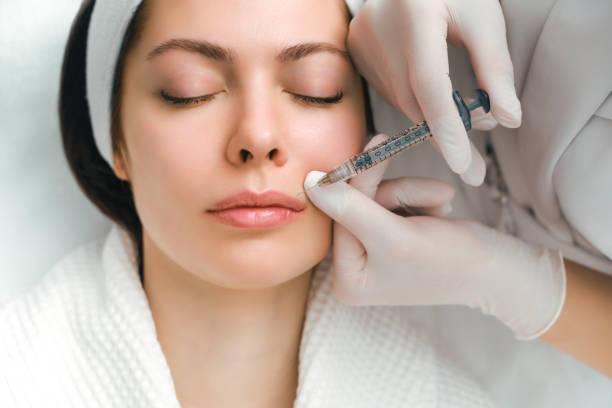
A less visible Cupid’s bow can make the upper lip look softer, flatter, or less distinctly shaped. For people curious about Russian lip Fillers in Abu Dhabi, this technique may offer a way to create more definition while keeping the overall look balanced. Whether it suits a particular person depends on their natural lip shape, facial proportions, and the result they hope to achieve.
What Is a Cupid’s Bow?
The Cupid’s bow is the gentle double curve at the centre of the upper lip. Its two peaks and the dip between them give the lip a recognisable outline. Some people have a naturally prominent bow, while others have a smoother or less defined shape.
A subtle Cupid’s bow is not a flaw. It is simply one variation in lip anatomy. Someone may seek more definition because they prefer a sharper outline, want the centre of the upper lip to appear more sculpted, or feel that their lip shape looks less distinct in photographs.
How the Russian Technique Shapes the Lips
The Russian lip technique focuses on vertical shaping and definition. Rather than concentrating only on adding forward projection, the approach aims to build height through the lip and refine its outline. The upper lip may appear lifted, with greater emphasis on the central peaks.
This can make a less visible Cupid’s bow look more noticeable. The effect is not the same for everyone, however. The final appearance depends on the person’s existing lip structure, the amount of definition that can be created, and the practitioner’s technique. A naturally soft bow may become clearer without looking sharply outlined, while another person may achieve a more sculpted appearance.
Can It Define a Less Visible Cupid’s Bow?
It can, in suitable cases. The technique may help highlight the upper lip’s central curves and create a more distinct transition between the peaks and the dip. The aim is usually to enhance the person’s own shape rather than impose an identical outline on every face.
A consultation helps establish what is realistic. The practitioner can assess the lip’s natural proportions, movement, and symmetry, then discuss whether a more defined bow would complement the person’s features. If the upper lip has limited natural structure, the result may be softer than expected. Clear expectations matter because enhancement can refine existing anatomy, but it cannot make every lip shape identical to a reference image.
What Influences the Result?
Several factors affect how visible the Cupid’s bow appears after treatment:
- Natural lip shape: The starting outline influences how much definition can be achieved.
- Facial proportions: A shape that suits one person may feel too pronounced on another.
- Desired finish: Some people prefer a gentle curve, while others want a more sculpted centre.
- Technique and judgement: Careful assessment helps keep the result balanced with the rest of the face.
- Personal expectations: Reference images can guide a discussion, but individual results will vary.
Choosing a Balanced Look
A defined Cupid’s bow does not need to look dramatic. For many people, a small change in the central upper lip is enough to make the outline appear clearer. Balance is important: an overly prominent centre may draw attention away from the rest of the face or look unlike the person’s usual expression.
A useful consultation includes a conversation about the preferred shape, the degree of definition, and how the lips look when smiling and speaking. The person can explain what they like about their current lips as well as what they would like to change. This helps guide a result that feels personal rather than copied.
Questions to Discuss Before Treatment
Before deciding, a person may want to ask how the technique would work with their existing lip shape, what level of Cupid’s bow definition is realistic, and how the result may look during everyday facial movement. They can also ask about the practitioner’s training, approach to facial balance, and the process used to plan treatment.
It can help to describe the desired result in plain language, such as “a clearer centre” or “a soft, lifted outline.” This is often more useful than relying only on a photo, since lighting, angles, and individual anatomy can make reference images difficult to match.
Aftercare Tips
Aftercare guidance should come directly from the qualified practitioner, since recommendations can vary. In general, the person should follow the instructions provided, avoid unnecessary pressure on the lips during the advised period, and contact the practitioner if they have questions about how the area is settling. They should also allow time for the appearance to settle before judging the final shape.
Frequently Asked Questions
Can the technique create a Cupid’s bow if there is almost no definition?
It may enhance the central outline, but the degree of change depends on the person’s anatomy. A consultation can clarify whether a subtle or more noticeable result is achievable.
Will the lips look sharply outlined?
Not necessarily. The finish depends on the treatment plan and the person’s preference. Someone seeking a soft appearance can discuss gentle definition rather than a strongly sculpted shape.
Is the Russian technique suitable for everyone?
No single approach suits every lip shape or goal. A qualified practitioner can assess whether this method fits the person’s anatomy and explain other suitable options if it does not.
How can someone avoid an unbalanced result?
They can discuss facial proportions, everyday expressions, and the level of definition they want before treatment. A gradual, considered plan may help keep the outcome in harmony with their features.
A Personal Approach to Lip Definition
Russian lip fillers may help make a less visible Cupid’s bow more distinct by emphasising the upper lip’s central shape. The best outcome is not necessarily the most dramatic one. It is the version that feels balanced, suits the person’s features, and reflects their preferences. A thoughtful consultation and realistic expectations can help someone decide whether this technique is the right choice.