
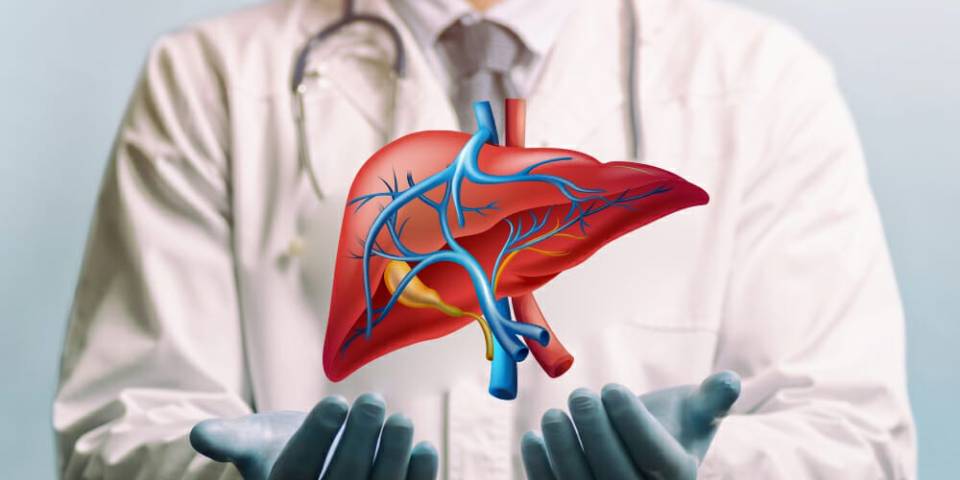
Liver surgery can be a major step in the treatment of serious liver conditions, especially when the liver has become severely damaged or when transplantation is being considered. Proper preparation helps patients and families understand what to expect, complete important medical evaluations, and plan for recovery.
Choosing a qualified liver transplant surgeon in delhi is an important part of this process. A transplant surgeon evaluates whether surgery is appropriate, explains the procedure and its risks, and works with a wider medical team to prepare the patient for the stages before and after surgery. Understanding these steps can make the experience less confusing and help patients approach treatment with realistic expectations.
What Does Liver Surgery Involve?
Liver surgery refers to several different procedures performed to treat conditions affecting the liver. The exact operation depends on the patient’s diagnosis, liver function, overall health, and treatment goals.
Common procedures may include:
- Removal of part of the liver, known as liver resection
- Surgery for certain liver tumours
- Biliary or bile duct procedures
- Living-donor liver transplantation
- Deceased-donor liver transplantation
- Surgery related to complications of advanced liver disease
A liver transplant is different from other liver operations because the diseased liver is replaced with a healthy donor liver or an appropriate portion of a donor liver. Transplantation requires detailed assessment of both medical suitability and the practical aspects of long-term follow-up.
Why Is Preparation Important Before Liver Surgery?
Preparation helps the medical team identify potential risks and determine whether the patient is ready for the planned procedure. It also gives the patient an opportunity to understand the surgery, recovery process, medications, and follow-up requirements.
Before surgery, doctors may assess:
- Liver function
- Kidney function
- Heart and lung health
- Blood clotting
- Nutritional status
- Existing infections
- Other medical conditions
- Current medications
- Previous surgeries and treatments
For transplant candidates, the assessment may be considerably more detailed because transplantation involves lifelong medical follow-up and medicines to prevent rejection.
What Happens During the Pre-Surgery Evaluation?
A comprehensive evaluation is one of the most important stages of liver surgery preparation. The tests required vary from person to person and should be determined by the treating medical team.
Medical History and Physical Examination
The surgeon and other specialists will review the patient’s medical history, previous procedures, allergies, medications, symptoms, and existing health conditions. A physical examination may also help identify issues that need attention before surgery.
Patients should provide accurate information about all medicines and supplements they take, including non-prescription products.
Blood Tests
Blood investigations can provide information about liver and kidney function, blood counts, clotting ability, blood group, and other important parameters.
For transplant evaluation, additional tests may be required to understand the patient’s condition and determine compatibility and surgical planning.
Imaging Tests
Imaging can help doctors understand the structure of the liver and surrounding organs. Depending on the situation, investigations may include ultrasound, CT scans, MRI, or other specialised imaging.
These examinations can help the surgical team assess the liver, blood vessels, bile ducts, and other relevant structures.
Heart and General Health Assessment
Major surgery can place stress on the cardiovascular and respiratory systems. Depending on the patient’s age and medical history, doctors may recommend heart or lung evaluations before surgery.
This assessment helps identify conditions that may need to be managed before the operation.
Preparing for a Liver Transplant
Preparation for transplantation involves more than preparing for the operation itself. Patients need to understand that transplant care extends beyond the surgical procedure.
A transplant evaluation may involve specialists from several areas, including transplant surgery, hepatology, anaesthesia, nutrition, radiology, and other relevant disciplines.
Patients may need to prepare for:
- Detailed medical investigations
- Evaluation of liver disease severity
- Assessment of other organs
- Nutritional support when needed
- Infection screening
- Medication review
- Blood group and compatibility testing
- Financial and logistical planning
- Long-term follow-up arrangements
The transplant team may also discuss the patient’s support system because recovery can require assistance with appointments, medicines, transportation, nutrition, and everyday activities.
How Can Patients Prepare at Home?
Patients should follow the instructions provided by their treating team rather than relying on general advice from the internet. Individual preparation can vary significantly depending on the type of surgery and the patient’s health.
Some practical steps include:
Keep Medical Records Organised
Maintain copies of important reports, imaging results, prescriptions, previous treatment records, and a current medication list. Having these documents available can make consultations more efficient.
Follow Medication Instructions
Some medicines may need to be continued, adjusted, or temporarily stopped before surgery. Patients should never change prescription medicines on their own.
Ask the surgical team specifically about blood thinners, diabetes medicines, blood-pressure medicines, supplements, and other regular treatments.
Focus on Nutrition
Adequate nutrition can be important before major surgery, particularly for people with chronic liver disease who may have nutritional deficiencies or reduced muscle strength.
A doctor or dietitian may recommend an individualised nutrition plan based on the patient’s condition.
Avoid Unapproved Supplements
“Natural” or herbal products can interact with medicines or affect the liver. Patients should tell their healthcare team about every supplement they use and should not start new products without medical guidance.
Plan Practical Support
Before admission, consider arranging help with transportation, household responsibilities, childcare, and other everyday needs. Transplant patients may need ongoing assistance after discharge as they adjust to their recovery routine.
Questions to Ask Your Liver Transplant Surgeon
Patients often have many questions before liver surgery. Writing them down before the consultation can make the discussion more useful.
Consider asking:
- What type of liver surgery is being recommended?
- Why is this procedure appropriate for my condition?
- What tests do I need before surgery?
- How should I prepare for hospital admission?
- What are the possible risks and complications?
- How long might recovery take?
- What restrictions should I expect after surgery?
- What follow-up appointments will be necessary?
- If transplantation is being considered, what are the next steps?
- Which symptoms after surgery require urgent medical attention?
An experienced liver transplant surgeon in Delhi can explain the planned procedure in the context of the patient’s individual medical condition rather than giving a one-size-fits-all answer.
Understanding the Role of the Transplant Team
Liver transplantation is generally a multidisciplinary process. The surgeon is an important part of the team, but successful care also involves other healthcare professionals.
Depending on the patient’s needs, the team may include:
- Transplant surgeons
- Hepatologists
- Anaesthesiologists
- Transplant coordinators
- Nurses
- Dietitians
- Pharmacists
- Radiologists
- Other medical specialists
This collaborative approach allows different aspects of the patient’s health to be assessed before and after surgery.
What Should Patients Expect After Liver Surgery?
Recovery depends on the type of procedure, the patient’s health, and whether the operation involves transplantation. Hospital monitoring is usually required after major liver surgery.
After transplantation, patients require close medical follow-up and prescribed medicines to reduce the risk of organ rejection. Regular blood tests and clinical assessments may be necessary to monitor liver function and detect complications early.
Patients should follow their transplant team’s instructions regarding medicines, diet, physical activity, wound care, and follow-up visits.
Recovery is not identical for everyone. Some people may return gradually to normal activities, while others require a longer period of medical and nutritional support.
When Should Patients Seek Medical Attention?
After major liver surgery or transplantation, patients receive specific instructions about warning signs. Depending on the procedure, urgent medical assessment may be required for symptoms such as significant bleeding, severe abdominal pain, difficulty breathing, persistent vomiting, high fever, confusion, or other concerning changes.
Transplant recipients should follow their team’s instructions carefully because infections, rejection, medication-related problems, and other complications may require prompt evaluation.
Frequently Asked Questions
1. How should I prepare for liver surgery?
Preparation may include medical tests, imaging, medication review, nutritional assessment, and evaluation of other health conditions. Your surgeon will provide specific instructions based on the planned procedure and your individual health.
2. What tests are needed before a liver transplant?
Testing varies between patients but may include blood investigations, imaging studies, heart and lung assessments, infection screening, and other evaluations needed to determine transplant suitability and surgical planning.
3. Should I stop taking my regular medicines before liver surgery?
Not unless your treating doctor specifically tells you to do so. Some medicines may need adjustment before surgery, while others should be continued. Always discuss prescription medicines, over-the-counter drugs, and supplements with your medical team.
4. How long does recovery take after liver transplantation?
Recovery varies depending on the patient’s health, the type of transplant, and whether complications occur. Hospital recovery is followed by continued monitoring, medicines, and follow-up appointments. Your transplant team can provide a more personalised expectation.
5. Why is long-term follow-up important after a liver transplant?
Long-term follow-up helps doctors monitor liver function, manage medicines, identify possible complications, and support the patient’s ongoing health. Regular appointments and prescribed medicines are an important part of transplant care.
Conclusion
Preparing for liver surgery involves much more than getting ready for the day of the operation. A thorough medical evaluation, careful medication review, appropriate nutrition, practical planning, and clear communication with the healthcare team can help patients approach treatment with better understanding and realistic expectations. For individuals considering transplantation, working closely with a multidisciplinary team is particularly important because care continues well beyond the surgery itself.
Patients seeking specialist guidance can discuss their individual circumstances with Dr. Vishal Kumar Chorasiya, who can help explain the relevant surgical considerations and the preparation involved in liver transplant care.

