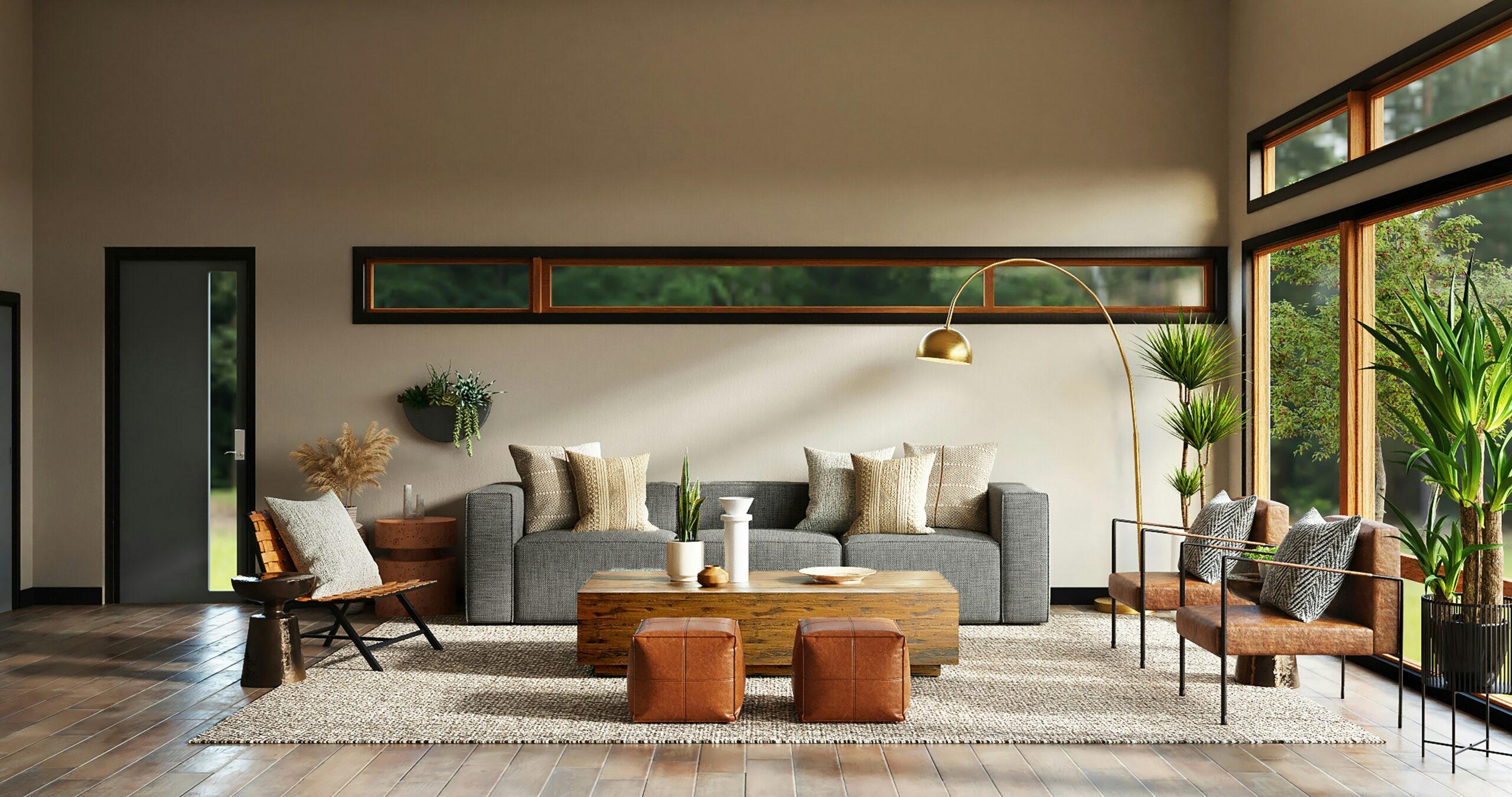
A home is more than a collection of rooms, furniture, and decorative features. It is a place where people build memories, enjoy everyday routines, welcome guests, and plan for the future. For this reason, designing a home should involve more than simply following the latest trends. The best homes are carefully planned around the people who live in them, combining personal style with practical functionality and long-term comfort.
Whether you are building a new property or renovating an existing one, thoughtful design can transform an ordinary house into a space that truly feels like your own. From the layout and materials to lighting, storage, technology, and outdoor areas, every decision can contribute to a home that reflects your personality while meeting your changing needs.
Understanding Your Personal Style
The first step in creating a home that feels personal is understanding your design preferences. Some homeowners are naturally drawn to clean, contemporary interiors, while others prefer traditional details, warm textures, rustic elements, or a combination of several styles.
Instead of choosing a design simply because it is currently popular, consider what you genuinely enjoy. Look at colors, materials, architectural features, furniture styles, and room arrangements that make you feel comfortable and inspired. Creating a collection of reference images can also help identify patterns in your preferences.
Your personal style does not need to fit into one strict category. A well-designed home can combine modern functionality with classic architectural details or incorporate natural materials into a contemporary interior. The goal is to create a cohesive environment that feels authentic rather than overly influenced by temporary trends.
Designing Around Everyday Functionality
A beautiful home should also make everyday life easier. Functionality is one of the most important elements of successful residential design because even the most attractive space can become frustrating if it does not support the way you live.
Think about how each room will actually be used. A kitchen may need generous preparation areas, organized storage, and space for family gatherings. A home office might require quiet surroundings, integrated technology, and comfortable lighting. Bedrooms should provide privacy and relaxation, while living areas should accommodate both everyday activities and entertaining.
Open floor plans can encourage interaction and create a sense of spaciousness, but they are not ideal for every household. Some homeowners may prefer designated spaces for work, relaxation, hobbies, or entertainment. Understanding your routines before finalizing a floor plan can help ensure that the finished home works naturally.
Creating Signature Home Designs
Personalization is what separates a generic property from a truly memorable home. Signature home designs focus on creating distinctive spaces that reflect the homeowner’s preferences, lifestyle, and vision.
This might involve a unique staircase, custom cabinetry, statement lighting, specialized entertainment areas, dramatic architectural windows, or carefully selected finishes. Even smaller details can contribute to a home’s identity when they are thoughtfully coordinated.
A signature design does not necessarily mean adding extravagant features everywhere. Instead, it is about identifying the elements that matter most to you and giving them appropriate attention. A custom reading room, beautifully designed kitchen, peaceful courtyard, or personalized primary suite can become a defining feature of the entire property.
Planning for Future Needs
One of the biggest mistakes homeowners can make is designing only for their current circumstances. Life changes over time, and a home should ideally have enough flexibility to adapt.
Families may grow, children may become independent, work arrangements may change, or homeowners may eventually want to remain in the same property as they age. Designing with these possibilities in mind can make a home more practical for many years.
Flexible rooms are particularly valuable. A guest bedroom can later become a home office, studio, exercise room, or hobby space. Wider doorways, accessible bathrooms, and thoughtful floor plans can also improve long-term usability without compromising aesthetics.
Future-focused design does not mean predicting every possible life change. It means creating adaptable spaces that can serve multiple purposes as circumstances evolve.
Choosing Materials That Balance Beauty and Durability
Materials have a major impact on both the appearance and performance of a home. Flooring, countertops, cabinetry, wall finishes, fixtures, and exterior materials should be selected with both aesthetics and durability in mind.
High-quality materials can provide lasting visual appeal, but homeowners should also consider maintenance requirements. A material may look impressive but require frequent care, while another option may offer a similar appearance with greater practicality.
The best selections depend on the room and the household. High-traffic areas may benefit from durable flooring, while kitchens and bathrooms require surfaces that can withstand moisture and frequent use. Exterior materials should also be selected according to the local climate and maintenance expectations.
Making Lighting Part of the Design
Lighting is often underestimated during home planning, yet it can dramatically influence the atmosphere and functionality of every room. A successful lighting plan typically combines natural light with multiple layers of artificial illumination.
Large windows and strategically positioned openings can bring daylight into interiors while connecting indoor spaces with outdoor surroundings. Artificial lighting can then provide task, accent, and ambient illumination.
For example, kitchens benefit from focused task lighting, while living rooms may require softer ambient fixtures combined with accent lighting. Bedrooms can use layered lighting to create a calm atmosphere, while bathrooms need sufficient illumination for everyday tasks.
Thoughtful lighting can also highlight architectural features, artwork, textured walls, and other design details.
Incorporating Smart Home Technology
Modern homeowners increasingly expect their homes to provide convenience as well as comfort. Smart technology can be integrated into residential design without allowing technology to dominate the visual character of the space.
Automated lighting, climate controls, security systems, motorized shades, smart appliances, and entertainment systems can all contribute to a more convenient lifestyle. The key is to plan technology during the design process rather than attempting to add everything after construction is complete.
Proper planning can help conceal wiring, position outlets strategically, and create dedicated locations for technology equipment. This results in a cleaner appearance while ensuring that the home is prepared for future technological upgrades.
Connecting Indoor and Outdoor Spaces
A home’s design should not necessarily stop at the exterior walls. Outdoor spaces can significantly expand the usable living area and provide opportunities for relaxation and entertainment.
Patios, covered outdoor kitchens, landscaped courtyards, terraces, balconies, and garden areas can be designed as extensions of interior rooms. Consistent materials, colors, and architectural details can create a smooth visual transition between indoor and outdoor spaces.
For homeowners who enjoy entertaining, an outdoor living area can become one of the most valuable parts of the property. For others, a private garden or peaceful seating area may provide a quiet retreat from a busy schedule.
Creating a Timeless Foundation
Trends can provide inspiration, but designing an entire home around temporary styles can quickly make it feel dated. A better approach is to establish a timeless foundation and introduce current trends through elements that can be changed more easily.
Architectural proportions, quality materials, functional layouts, and well-planned storage are examples of decisions that can remain useful for decades. Paint colors, decorative accessories, furniture, and certain lighting fixtures can be updated more easily as preferences change.
This balance allows homeowners to enjoy contemporary design without requiring major renovations every few years.
Working With Local Design Professionals
Every location has unique architectural characteristics, environmental considerations, building requirements, and lifestyle preferences. Working with experienced professionals who understand the local market can make the design and construction process more efficient.
For homeowners planning a property in Texas, exploring luxury home design Tomball TX can provide valuable inspiration for creating residences that combine sophisticated aesthetics with practical living. Local expertise can also help homeowners make informed decisions about materials, layouts, outdoor spaces, and other elements suited to the area’s environment and lifestyle.
Professional guidance can be particularly valuable when a project involves extensive customization. Designers and builders can help translate ideas into practical plans while keeping aesthetics, functionality, budget, and long-term goals aligned.
Designing a Home That Grows With You
The most successful homes are not simply attractive when they are completed. They continue to serve their owners as lifestyles, priorities, and circumstances change.
By combining personal style, practical layouts, durable materials, adaptable spaces, thoughtful lighting, modern technology, and well-planned outdoor areas, homeowners can create environments that remain comfortable and relevant for years.
Ultimately, creating a home that reflects your style, function, and future needs is about making intentional decisions. Instead of asking only what looks good today, consider how the home will feel, function, and support your lifestyle tomorrow. With careful planning and a clear understanding of your priorities, your home can become a lasting expression of who you are while providing the flexibility and comfort you need for the future.