If you’ve ever stood on a construction site in Oman at 6 a.m., watching the sun climb over dusty ground while a project manager checks his phone for the fifth time, you know that equipment makes or breaks the day. A late delivery, a machine that won’t start, a budget that suddenly stretches thinner than expected: these things keep contractors up at night.
That’s why more and more builders, farmers, and business owners are looking into wheel loaders for rent in Oman instead of buying outright. It isn’t just a budget decision. It’s a practical one.
The Wheel Loader: The Workhorse Nobody Thanks Enough
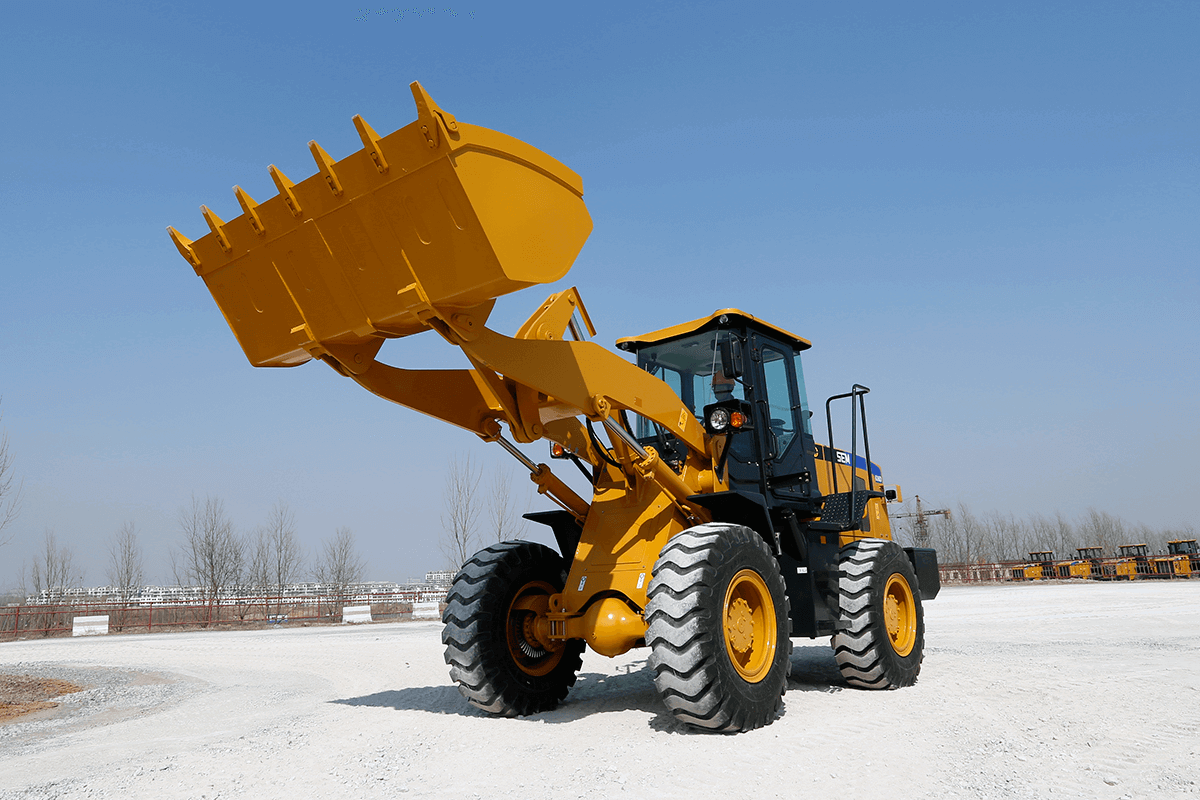
A wheel loader is one of those machines you don’t fully appreciate until you need one. It scoops, lifts, carries, and loads. Sand, gravel, aggregate, soil, debris, bulk materials: if it needs to move from point A to point B in serious quantities, the wheel loader handles it.
In a country like Oman, with major infrastructure growth, expanding industrial zones, active mining and quarry operations, and steady development in Muscat, Sohar, Salalah, and beyond, that kind of muscle stays in demand. Whether you’re preparing a site, stockpiling materials, or loading trucks at a quarry, this machine keeps things moving.
Why Buying Isn’t Always the Best Answer
Let’s be honest. Owning heavy equipment sounds great until you start counting what comes with it.
There’s the upfront purchase cost, which can tie up serious capital. Then the maintenance: servicing, spare parts, tyres, hydraulic repairs. Then insurance, storage, operator wages, and depreciation, which quietly eats value every month. And if your project ends in four months, you’re left with a very expensive machine sitting idle in a yard.
Renting flips that equation. You pay for what you use, when you use it. When the job is done, the machine goes back, and so do the headaches.
The Real Benefits of Renting
1. Your cash stays free.
Capital is the lifeblood of any business. Instead of locking money into a single machine, you can put it toward labour, materials, or growth. For small and mid-sized contractors especially, that flexibility matters.
2. Maintenance is someone else’s problem.
Reputable rental providers keep their fleets serviced and inspected. If something breaks down, the fix or replacement is typically on them, not you. That means fewer surprise repair bills and less downtime.
3. You get the right machine for the job.
Not every project needs the same loader. A compact model suits tight urban sites, while a larger one belongs in a quarry or port. Renting lets you match the machine to the task instead of forcing one machine to do everything.
4. Flexibility with timelines.
Projects change. Weather delays, permit hiccups, and design revisions are all part of the game. Rental terms, whether daily, weekly, or monthly, let you adjust without being stuck.
5. Access to newer, more efficient equipment.
Modern loaders are more fuel-efficient, more comfortable for operators, and often safer. Renting gives you access to that without the cost of upgrading your own fleet every few years.
A Quick Story From the Field
Picture a mid-sized contractor winning a road-base project outside Sohar. The timeline was tight, the material volume enormous, and he didn’t own a single loader. Buying was out of the question, since the cost and delivery lead time would have swallowed the schedule.
Instead, he arranged a rental. A loader arrived on site within days, fueled by a clear agreement and backed by a support team. The work started on time, the project finished on schedule, and when the last truck rolled out, the machine went back. No storage, no resale hassle, no lingering costs.
Scenarios like this play out across Oman all the time. Renting isn’t a compromise. For many jobs, it’s simply the better business model.
What to Look for in a Rental Provider
Not all rental companies are equal, and choosing the wrong one can cost you more than the machine itself. Before you sign anything, ask a few questions:
- How well-maintained is the fleet? Ask about service records and inspection routines.
- Do they offer operators? Some projects benefit from a trained, experienced driver included in the deal.
- What’s the delivery timeline? Speed matters when a crew is waiting.
- Is the pricing transparent? Watch for hidden charges around transport, fuel, or overtime.
- What happens if the machine breaks down? A good provider will have a clear, fast response plan.
- Do they understand local conditions? Oman’s heat, dust, and terrain are tough on equipment, and experience with these conditions counts.
A provider who answers these confidently is usually one worth trusting.
Tips to Get the Most Out of Your Rental
Plan your usage before you book. Knowing your hours, material volume, and site conditions helps you choose the right size and avoid paying for capacity you don’t need. Communicate clearly with your provider about the terrain and workload. Make sure your operators are properly trained, since even the best machine performs poorly in inexperienced hands. And inspect the loader on arrival, noting any existing wear so there are no disputes later.
Small habits like these save real money over the length of a project.
Read Also: Raspberry Hills: The Rise of Contemporary Streetwear
Final Thoughts
Oman’s construction and industrial landscape is moving fast, and the businesses keeping pace are the ones staying nimble. Choosing a wheel loader for rent in Oman isn’t about cutting corners. It’s about spending smart, staying flexible, and keeping projects on track without the long-term weight of ownership.
If you’re planning a project, whether it’s a road, a warehouse site, a quarry operation, or a farm development, take a serious look at renting before you reach for your chequebook. The right machine, from the right provider, at the right time can turn a stressful job into a smooth one.