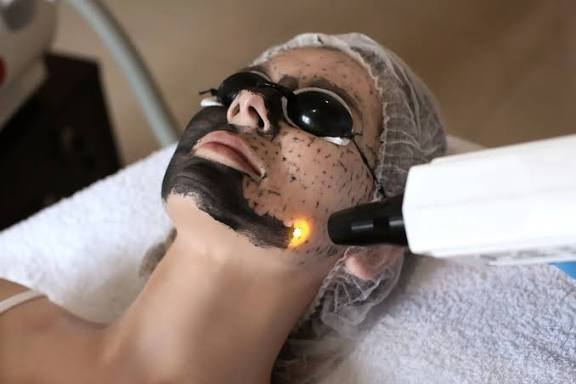
A visible facial mole can feel like a small feature with a big effect on someone’s confidence. Mole Removal in Abu Dhabi may help reduce or remove certain facial moles, depending on their type, size, depth, and location. The first step is an assessment by a qualified skin professional, who can determine whether removal is suitable and which approach may best match the person’s needs.
How Facial Mole Removal Works
Moles are clusters of pigment-producing cells. Some are flat, while others are raised; they may be present from birth or appear later. Removal aims to take away the mole tissue while caring for the surrounding skin. The exact method depends on the mole’s characteristics and whether it needs laboratory examination.
A professional assessment matters because not every spot that looks like a mole is one. A skin specialist can examine its appearance and history, and may recommend further evaluation before any removal. This helps ensure that treatment is chosen for the right reason rather than based on appearance alone.
Can Removal Make a Mole Less Visible?
In many cases, removal can make a visible mole much less noticeable or remove it completely. The result depends on how deeply the mole extends into the skin and how the area heals. A shallow mole may be treated differently from a raised or deeper one. Facial skin also varies from one area to another, so the forehead, cheek, nose, and chin may each require a tailored approach.
It is important to understand that removal does not always leave perfectly unchanged skin. The treated area may heal with a small mark or a difference in texture or colour. A qualified professional can explain what outcome is realistic for the individual mole and skin type. No method can promise an identical result for everyone.
Common Approaches to Mole Removal
Shave Removal
For some raised moles, a professional may use a method that removes the part sitting above the skin. Whether this is appropriate depends on the mole’s depth and clinical features. The removed tissue may be sent for examination when needed.
Excision
A deeper mole may require removal of the full area of tissue, often with closure of the skin. This approach can be considered when the mole’s depth or features make a more complete sample appropriate. The professional will discuss how the location may affect healing and the final appearance.
Other Techniques
Certain moles may be suitable for other carefully selected techniques. The choice should be based on a proper examination, not simply on convenience or a preference for one method. If a mole requires laboratory assessment, the chosen approach must allow for that need.
What Influences the Result?
Several factors can affect how noticeable the treated area looks after healing:
- The mole’s size, depth, and position
- The person’s skin type and natural healing pattern
- The method used and the professional’s assessment
- How the treated area is cared for during recovery
A facial mole close to a natural skin crease may heal differently from one on a more exposed, smooth area. The professional can discuss these details before treatment and explain what the person may expect as the skin settles.
What to Expect During the Process
The process usually begins with a conversation about the mole, when it appeared, and whether it has changed. The professional examines the area and may ask about relevant health history. If the mole has unusual features, further assessment may be advised before removal.
If removal is appropriate, the person receives an explanation of the planned method and the expected healing process. The procedure itself is selected for the individual case. Clear communication helps the person understand why a particular approach is recommended and what kind of result is realistic.
Choosing a Qualified Professional
Facial mole removal calls for careful judgment because both skin health and appearance matter. A qualified professional should be able to explain the reason for the recommended method, whether tissue examination is needed, and what kind of mark may remain. The person should feel comfortable asking questions and should not feel rushed into a decision.
Before proceeding, it can help to ask:
- What type of mole does it appear to be?
- Is removal suitable, or is further assessment needed?
- Which method is recommended and why?
- What result is realistic for this location?
- How should the area be cared for while it heals?
Frequently Asked Questions
Can every facial mole be removed?
Many facial moles can be considered for removal, but suitability depends on the mole’s features and the person’s skin. A professional assessment is needed before deciding.
Will removal leave a mark?
A mark may remain, although its appearance varies. The mole’s depth, location, removal method, and individual healing all influence the result. A professional can provide a realistic expectation for the specific area.
Can a mole be removed for appearance alone?
Some people seek removal because a mole affects their confidence or catches on clothing or grooming tools. A professional can discuss whether removal is appropriate and explain the possible cosmetic outcome.
Should a changing mole be removed right away?
A mole that changes in size, shape, colour, or sensation should be assessed before cosmetic treatment. The professional can decide whether it needs closer examination or laboratory testing.
How long does healing take?
Healing time varies with the method, location, and individual. The person should follow the specific instructions provided for the treated area and contact the professional if anything about healing is unclear.
Making an Informed Decision
Mole removal can reduce the visibility of many facial moles, but the best approach depends on a careful assessment. A person considering Mole Removal in Abu Dhabi can benefit from discussing the mole’s features, the available method, and the likely appearance after healing. With realistic expectations and an individualized plan, the decision can support both skin health and confidence.