A waterproofing specialist in Singapore helps protect buildings from water intrusion, leaks, dampness, and moisture-related damage. From identifying hidden leaks to applying suitable waterproofing systems, these professionals play an important role in maintaining safe and durable properties. Understanding their work can help homeowners and businesses address water problems before they become costly.
What Is a Waterproofing Specialist?
A waterproofing specialist is a professional who focuses on preventing water from entering unwanted areas of a building. Their work can involve inspection, leak detection, surface preparation, waterproofing application, repair, and maintenance.
Singapore’s tropical climate, frequent rainfall, high humidity, and dense urban environment make effective waterproofing particularly important. Water can enter buildings through roofs, balconies, bathrooms, walls, concrete structures, and other vulnerable areas.
Rather than simply covering a visible leak, a professional specialist looks for the underlying source of moisture and determines the most appropriate solution. This approach can help prevent recurring problems and protect the building’s structure and finishes.
Key Responsibilities of a Waterproofing Specialist in Singapore
The responsibilities of a waterproofing professional can vary depending on the property and type of water-related problem. However, several important services are commonly involved.
1. Inspecting the Property for Water Problems
The first step is usually a detailed inspection. A specialist examines areas where water damage or moisture is visible and checks surrounding surfaces for possible entry points.
Common warning signs include:
- Water stains on ceilings or walls
- Damp patches
- Peeling paint
- Mould or mildew growth
- Cracked surfaces
- Efflorescence on concrete
- Water pooling
- Recurring leaks after rainfall
- Damp bathroom floors or walls
A professional inspection is important because the visible location of a leak may not be the actual source. Water can travel through concrete, tiles, joints, and other building materials before appearing in another location.
2. Identifying the Source of Leaks
Finding the source of water intrusion is one of the most important parts of waterproofing work. Simply sealing the area where water appears may provide only a temporary solution.
A waterproofing specialist in Singapore may examine joints, cracks, drainage points, membranes, roof surfaces, bathroom areas, and other potential entry points.
Depending on the situation, specialists may use visual inspection and appropriate diagnostic methods to determine where water is entering the property.
3. Recommending the Right Waterproofing Solution
Not every waterproofing problem requires the same treatment. The correct solution depends on factors such as:
- The location of the problem
- Type of surface
- Extent of water damage
- Existing waterproofing system
- Exposure to rainfall
- Drainage conditions
- Age and condition of the structure
- Expected durability
For example, a bathroom may require a different waterproofing approach from a rooftop or external wall.
A professional assesses these factors before recommending a suitable system rather than applying the same product to every situation.
Waterproofing Services Commonly Provided
Waterproofing specialists can work on many different areas of residential and commercial properties.
Bathroom Waterproofing
Bathrooms are among the most common areas requiring waterproofing. Constant exposure to water can cause moisture to penetrate through tile joints, concrete, walls, and floors if the waterproofing system is damaged or improperly installed.
Professional bathroom waterproofing may involve:
- Inspecting the affected area
- Removing damaged materials where necessary
- Preparing the surface
- Repairing cracks or defects
- Applying the appropriate waterproofing system
- Protecting or reinstating the finished surface
- Checking the completed work
Proper surface preparation is especially important because waterproofing performance can be affected by dust, cracks, moisture, contamination, or unsuitable surfaces.
Roof Waterproofing
Roofs are constantly exposed to Singapore’s weather conditions. Rainwater can enter through cracks, joints, damaged membranes, drainage points, and other weak areas.
Roof waterproofing helps reduce the risk of:
- Ceiling leaks
- Concrete deterioration
- Interior water damage
- Mould growth
- Damage to insulation and finishes
Specialists may assess the existing roof membrane and surface condition before determining whether repair, recoating, or a more extensive waterproofing system is required.
Balcony Waterproofing
Balconies are another area where water can cause problems. Poor drainage, damaged waterproofing layers, cracks, and deteriorated joints can allow water to move beneath tiles or into adjacent structures.
Professional balcony waterproofing focuses on controlling water movement and protecting vulnerable structural areas.
External Wall Waterproofing
External walls are exposed to rain and humidity. Cracks or damaged protective coatings may allow water to penetrate the building envelope.
A specialist can inspect the wall surface, identify vulnerable points, repair defects, and recommend a suitable protective or waterproofing treatment.
Basement and Concrete Waterproofing
Basements and below-ground structures can face moisture pressure from surrounding soil. Concrete surfaces may develop cracks or water pathways that allow moisture to enter.
Waterproofing specialists may use different systems depending on whether the problem involves active water leakage, cracks, construction joints, or general dampness.
Why Professional Waterproofing Matters in Singapore
Singapore’s weather makes moisture management an important part of property maintenance. Heavy rainfall can expose weaknesses in waterproofing systems, particularly when drainage is inadequate or existing membranes have deteriorated.
Professional waterproofing can help property owners address problems before they become more extensive.
Preventing Structural Damage
Long-term water exposure can affect concrete, reinforcement, finishes, and other building components. Early intervention can help reduce the possibility of extensive deterioration.
Protecting Interior Finishes
Water intrusion can damage paint, plaster, flooring, cabinetry, ceilings, and other interior finishes. Fixing the underlying waterproofing issue can help protect these investments.
Reducing Recurring Repairs
Repeatedly repainting a stained ceiling without addressing the source of the moisture does not solve the underlying problem. A proper waterproofing assessment focuses on finding and treating the cause.
How a Waterproofing Specialist Approaches a Project
A typical waterproofing project follows several stages.
Step 1: Initial Assessment
The specialist discusses the property owner’s concerns and examines the affected area.
Step 2: Site Inspection
The site is inspected for visible and potential sources of water intrusion. Cracks, joints, drainage areas, membranes, and surface conditions may all be evaluated.
Step 3: Diagnosis
The specialist determines the likely cause of the problem. This is an important stage because applying the wrong treatment can result in recurring leakage.
Step 4: Surface Preparation
The affected surface may need cleaning, drying, crack repair, removal of loose materials, or other preparation before waterproofing begins.
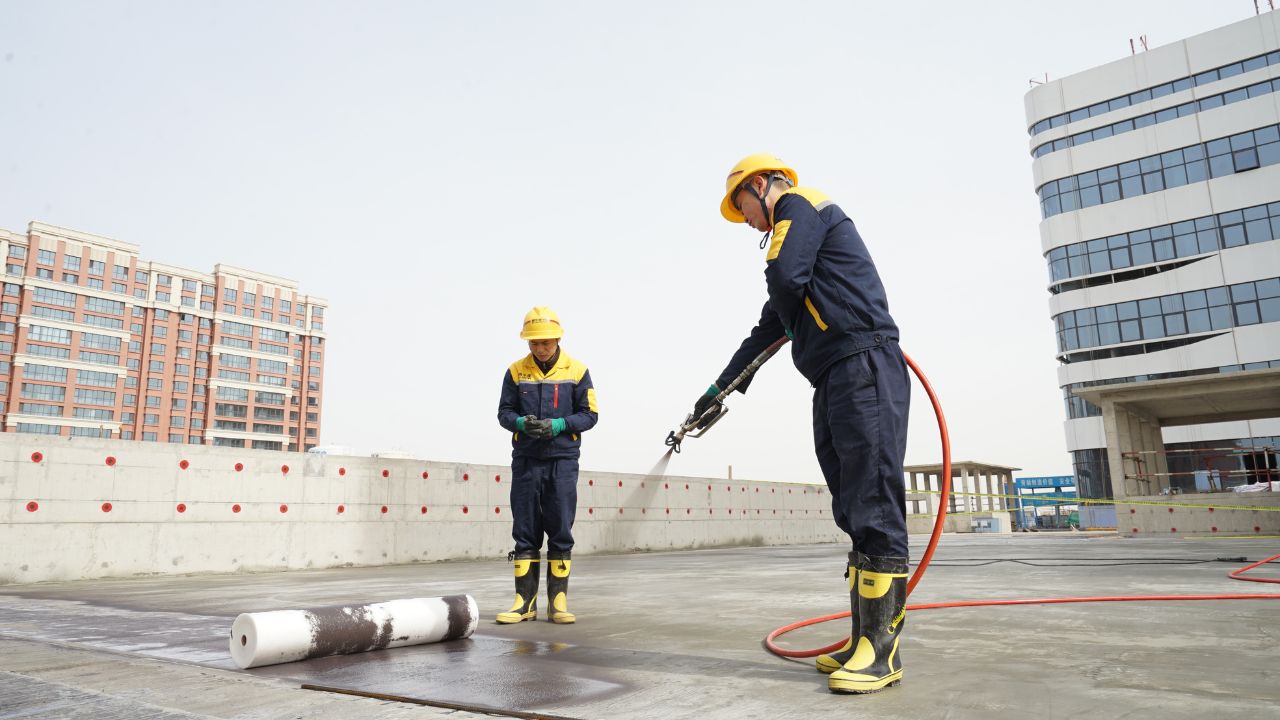
Step 5: Waterproofing Application
The selected waterproofing system is applied according to the requirements of the surface and project.
Step 6: Inspection and Testing
After the waterproofing work is completed, the area may be inspected or tested to confirm that the treatment has been properly applied.
Step 7: Maintenance Recommendations
A professional may also provide guidance on keeping the area in good condition and identifying early warning signs of future water problems.
What Should You Look for When Hiring a Waterproofing Specialist?
Choosing a suitable contractor is important because waterproofing quality depends on diagnosis, preparation, product selection, application, and workmanship.
Consider the following factors when comparing providers.
Relevant Experience
Look for a company with experience handling the specific type of waterproofing problem affecting your property.
Clear Inspection and Explanation
A reliable provider should be able to explain what they found, what may be causing the problem, and why a particular treatment is recommended.
Suitable Waterproofing Methods
Different surfaces require different approaches. Ask what system will be used and why it is suitable for your specific application.
Transparent Pricing
Before work begins, clarify what the quotation includes. This can help avoid misunderstandings about preparation, materials, labour, repairs, and reinstatement.
Workmanship and After-Service Support
Waterproofing is intended to provide long-term protection. It is useful to understand what type of workmanship support or follow-up service is available after the project.
Why Choose Allseal Waterproofing PTE Ltd?
For property owners looking for professional waterproofing solutions, Allseal Waterproofing PTE Ltd provides services focused on addressing water-related problems and protecting building surfaces.
A professional approach involves more than simply applying a waterproofing product. It requires understanding the source of the problem, preparing the affected area correctly, and selecting an appropriate treatment.
When working with Allseal Waterproofing PTE Ltd, property owners can discuss their specific waterproofing concerns and determine what type of solution may be appropriate for their building.
When Should You Call a Waterproofing Professional?
Some signs should not be ignored. Contacting a professional may be appropriate when you notice:
- Persistent ceiling or wall stains
- Repeated leaks after rainfall
- Damp or musty areas
- Mould caused by moisture
- Water appearing around bathroom areas
- Cracks accompanied by water leakage
- Peeling or bubbling paint
- Water pooling on balconies or roofs
- Recurring waterproofing failures
Early inspection can often make it easier to identify the source of a problem before water damage spreads to other parts of the property.
Waterproofing Is About Prevention, Not Just Repair
Many property owners only think about waterproofing after a leak appears. However, waterproofing also plays a preventive role.
A properly maintained waterproofing system can help protect vulnerable areas from repeated moisture exposure. Regular inspection is particularly useful for older properties, roofs, balconies, bathrooms, and areas that experience frequent water exposure.
Preventive maintenance may also help property owners identify small cracks, deteriorating sealants, damaged membranes, or drainage issues before they develop into larger problems.
Frequently Asked Questions
What does a waterproofing specialist do?
A waterproofing specialist inspects properties for water intrusion, identifies potential sources of leaks, prepares affected surfaces, applies suitable waterproofing systems, and provides repair or maintenance recommendations.
Is waterproofing necessary for older buildings?
Older buildings may require waterproofing inspection because existing membranes, sealants, joints, and protective coatings can deteriorate over time. The actual requirement depends on the condition of the property.
How can I tell if my property has a waterproofing problem?
Common signs include damp patches, water stains, mould, peeling paint, recurring leaks, cracks, and water pooling. However, professional inspection may be necessary to identify the actual source.
Can a waterproofing specialist fix recurring leaks?
A professional can investigate recurring leaks and determine whether the problem is related to failed waterproofing, cracks, drainage, joints, or another source. The appropriate repair depends on the diagnosis.
Does every waterproofing problem require the same treatment?
No. Waterproofing solutions should be selected according to the surface, location, water exposure, existing system, and cause of the problem.
Conclusion
A waterproofing specialist in Singapore does much more than repair visible leaks. From identifying water sources to applying suitable waterproofing systems, their work helps protect properties from moisture-related damage. Choosing an experienced professional can help property owners address problems properly and maintain long-term building protection.