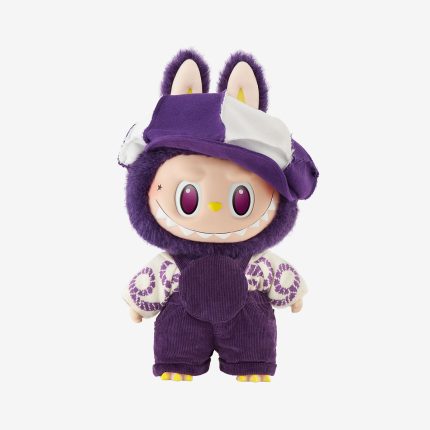
Toy culture has moved far beyond childhood shelves and hobby rooms. In cities across Italy, collectible figures, plush characters, and playful accessories are increasingly appearing alongside contemporary clothing and everyday styling. From Milan’s streetwear scene to the relaxed creative energy of Rome, labubu has become part of a wider conversation about how personal interests can influence the way people dress, accessorize, and express themselves.
Labubu and the New Meaning of Collectibles
Labubu represents a shift in how people can experience toys as part of their personal identity rather than simply as objects to collect. Its distinctive appearance, expressive face, and playful character design give it a recognizable personality that works naturally with the visual language of contemporary fashion. For Italian audiences who appreciate design and individual expression, that combination can make collectible culture feel surprisingly connected to everyday style.
Collectibles have traditionally been displayed on shelves, desks, or dedicated cabinets, but modern enthusiasts often want their favorite pieces to move with them. A plush figure attached to a handbag, a small character carried as a charm, or a collectible placed beside carefully chosen accessories can become an extension of someone’s outfit. The result is a more personal approach to fashion, where clothing and hobbies exist within the same visual world.
From Display Shelves to Everyday Accessories
The popularity of bag charms is one reason toy culture fits so comfortably into contemporary fashion. Bags are already an important part of personal styling, providing space for practical items while also creating opportunities for self-expression. Adding a small plush or character charm can change the mood of an otherwise simple bag without requiring a complete change of outfit.
In Italy, where classic accessories often meet contemporary styling, this playful approach can work across different fashion personalities. A neutral leather bag can gain a youthful touch from a colorful charm, while a canvas tote can become more distinctive when paired with a character that reflects its owner’s interests. The charm does not need to dominate the look. Sometimes its appeal comes precisely from being a small, unexpected detail.
Streetwear Gives Toy Culture a New Home
Streetwear has always encouraged experimentation with graphics, proportions, colors, and cultural references, making it a natural environment for collectible characters. Oversized hoodies, relaxed trousers, sneakers, caps, and graphic tops provide a flexible foundation for accessories that might feel less conventional with formal clothing.
Italian streetwear is particularly diverse, combining international influences with local interpretations of fit and styling. A collectible accessory can therefore become another layer within an outfit rather than a separate statement. Someone wearing an understated monochrome look might introduce a colorful plush for contrast, while a more expressive outfit could use several coordinated accessories to build a playful visual theme.
This approach also reflects a broader movement toward mixing serious fashion with elements that feel nostalgic, humorous, or unexpected. The contrast can make an outfit feel more individual without requiring expensive or complicated styling.
Collecting Becomes a Form of Personal Expression
Modern collecting is often about more than ownership. People choose characters because they connect with certain aesthetics, memories, moods, or cultural moments. The objects become small representations of personal taste.
For younger Italian fashion audiences especially, collectibles can exist alongside music, sneakers, photography, art, gaming, and streetwear. These interests frequently overlap online and offline, creating communities where a toy can have the same visual importance as a favorite accessory or graphic piece of clothing.
The appeal also comes from the freedom to interpret a collectible differently. One person may prefer a carefully arranged display at home, while another may take a plush figure everywhere. Neither approach is necessarily more authentic. The value lies in making the object meaningful within an individual’s lifestyle.
Labubu in Italian Everyday Style
For many Italian fashion enthusiasts, Labubu can work as a small styling detail rather than the center of an entire look. A bag charm might accompany a casual coffee run, a shopping trip, or a day spent exploring a city. The same character can look completely different depending on the clothing, bag, footwear, and accessories around it.
This flexibility is particularly useful in everyday wardrobes. Neutral coats, denim, knitwear, simple sneakers, and understated bags create an easy backdrop for playful collectibles. During warmer months, a character charm can complement relaxed shirts, lightweight trousers, or casual dresses. In cooler weather, it can add personality to layered outfits featuring jackets, sweatshirts, scarves, and heavier outerwear.
The idea is not to create a costume-like appearance. Instead, the collectible becomes comparable to a keychain, pin, scarf, or piece of jewelry: a small object that communicates something about the person carrying it.
Why Cute Aesthetics Feel Fresh Again
The renewed interest in cute aesthetics is also influencing fashion and pop culture. Designers, musicians, influencers, and independent creators increasingly combine polished styling with playful visual elements. This creates room for objects traditionally associated with childhood to appear within more mature and sophisticated environments.
The contrast can be especially interesting in Italian fashion, where timeless silhouettes often coexist with experimental details. A structured coat paired with a whimsical bag charm creates visual tension. A minimalist outfit can become more expressive through one colorful accessory. Even a simple streetwear combination can feel more personal when it includes an object with emotional or cultural significance.
Rather than suggesting that fashion needs to become childish, toy-inspired styling demonstrates that fashion can accommodate humor, nostalgia, and imagination.
Collectibles, Social Media, and Pop Culture
Social media has also changed how collectible culture spreads. A figure photographed on a desk, attached to a bag, or included in an outfit can become part of a larger visual story. People discover new characters through fashion posts, lifestyle photography, music communities, and creative content rather than through traditional toy-focused spaces alone.
For Italian audiences, this creates a connection between local style and global pop culture. Milan, Rome, Turin, Bologna, and other cities each have their own fashion personalities, but digital platforms allow trends and creative ideas to travel quickly between communities. A collectible can therefore become both a personal accessory and a recognizable reference within a much larger cultural conversation.
Labubu and the Future of Playful Fashion
The growing presence of Labubu in fashion-related spaces reflects a wider change in how people understand style. Collectibles are no longer necessarily separate from clothing or accessories. They can participate in the same process of self-expression, especially when people choose pieces that complement their colors, silhouettes, interests, and daily routines.
For Italian streetwear and lifestyle enthusiasts, this opens up simple possibilities. A character can add warmth to a minimalist outfit, create contrast against neutral clothing, or bring a familiar sense of playfulness to an everyday bag. The important element is personal interpretation rather than following a strict formula.
As fashion continues to blend with entertainment, art, music, and internet culture, the boundaries between categories are likely to become even less defined. A toy can be a collectible, a design object, an accessory, or simply something that makes an outfit feel more personal.
When Fashion and Play Meet Naturally
The connection between toys and fashion works because both are forms of visual storytelling. Clothing communicates preferences through color, Labubu portachiavi shape, texture, and styling, while collectibles can communicate personality through characters and recognizable designs. When the two come together naturally, the result can feel authentic rather than carefully constructed.
For modern Italian audiences, this relationship offers another way to approach personal style. There is room for traditional pieces, contemporary streetwear, practical accessories, and playful collectibles within the same wardrobe. The growing visibility of toy culture suggests that fashion does not always have to take itself seriously. Sometimes a small character hanging from a favorite bag can say just as much about someone’s personality as the outfit itself.
A More Playful View of Personal Style
The rise of collectible culture shows how modern fashion continues to absorb influences from unexpected places. Toys, plush figures, charms, and character accessories can now participate in conversations about streetwear, lifestyle, creativity, and pop culture.
For people in Italy who enjoy experimenting with their appearance, this creates an opportunity to combine familiar wardrobe pieces with objects that have personal meaning. Whether displayed at home or carried through the city, collectibles can become part of an evolving style language—one where fashion, nostalgia, creativity, and everyday life comfortably share the same space.