
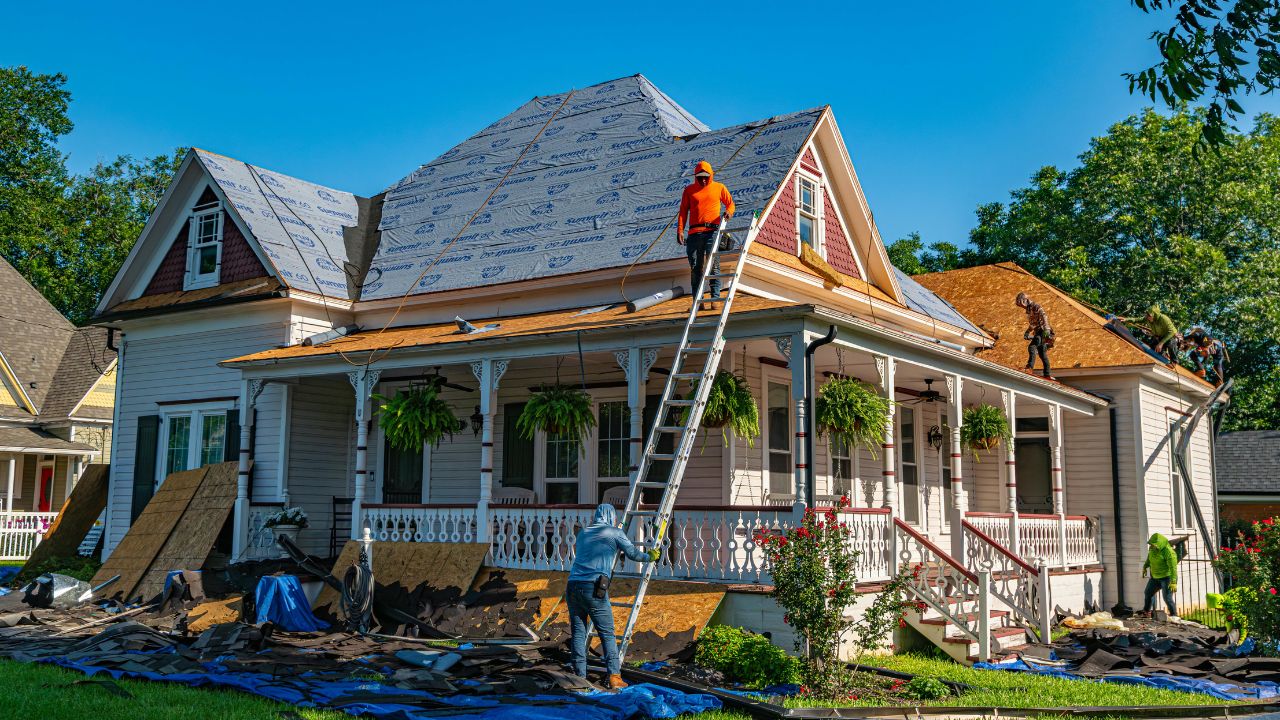
Choosing the right Home Improvement Contractor in Brooklyn can make a major difference in the quality, cost, and timeline of your renovation project. Whether you need roofing work, exterior improvements, repairs, or a complete home upgrade, selecting an experienced and dependable contractor helps protect your investment and ensures the job is completed properly.
Why Choosing the Right Contractor Matters
Home improvement projects can involve significant investments. From replacing a roof to improving exterior walls, gutters, skylights, or other structural elements, even a relatively small project can become expensive if the work is not handled correctly.
A qualified contractor can help you:
- Plan your project properly
- Select suitable materials
- Estimate costs more accurately
- Follow appropriate safety practices
- Complete work according to local requirements
- Reduce the possibility of expensive future repairs
- Keep the project on schedule
On the other hand, choosing a contractor simply because they offer the lowest price can sometimes create problems. Poor workmanship, unclear contracts, unexpected charges, and project delays can turn a straightforward renovation into a stressful experience.
That is why it is important to evaluate contractors carefully before signing an agreement.
Determine What Your Home Improvement Project Requires
Before contacting contractors, clearly identify what you want to accomplish. Are you planning a complete exterior renovation, a roofing replacement, gutter work, brick pointing, skylight installation, or several improvements at the same time?
Having a clear understanding of your project makes it easier to find a contractor with relevant experience.
For example, a contractor who specializes in roofing may be highly experienced with roof replacement but may not necessarily have the same level of expertise in masonry or other home improvement services.
Make a basic list of the work you need. You can then discuss this list with potential contractors and ask how they would approach each part of the project.
Look for Relevant Experience
Experience is one of the most important factors when selecting a contractor. However, you should look beyond the number of years a company has been operating.
Ask whether the contractor has completed projects similar to yours.
For example, if you need roofing repairs, ask about previous roofing projects. If your property needs masonry work, ask whether the contractor has experience with brick pointing and related exterior repairs.
Local experience can also be valuable. A contractor familiar with Brooklyn properties may understand common challenges associated with local homes, building styles, weather conditions, and project requirements.
Relevant experience gives you greater confidence that the contractor understands the type of work your property needs.
Research the Contractor’s Reputation
Before hiring a Home Improvement Contractor in Brooklyn, spend some time researching the company’s reputation.
Start by checking online reviews and customer feedback. Look for patterns rather than focusing on one extremely positive or negative review.
Pay attention to comments about:
- Quality of workmanship
- Communication
- Professionalism
- Project timelines
- Pricing transparency
- Cleanliness
- Responsiveness to problems
- Customer service
A few negative reviews do not necessarily mean a contractor is unreliable. What matters is how consistently customers describe their overall experience and how the company responds to complaints.
You can also ask the contractor whether they can provide examples of completed projects.
Ask for Proof of Previous Work
A reliable contractor should be able to show examples of their previous work when appropriate.
Photos can help you understand the contractor’s workmanship and attention to detail. If possible, ask for examples that are similar to your project.
For instance, if you need exterior improvements, look at completed exterior projects. If your main concern is roofing, review previous roofing work.
When evaluating project photos, pay attention to details such as:
- Overall finish
- Material installation
- Edges and transitions
- Work around windows and doors
- Roof and flashing details
- Masonry finish
- General cleanliness
A professional portfolio does not guarantee that every future project will be perfect, but it provides useful information when comparing contractors.
Verify Licensing and Insurance
Before work begins, ask about the contractor’s required licenses, registrations, and insurance coverage.
The exact requirements can depend on the type of work being performed and applicable New York City or New York State rules. Therefore, homeowners should verify the requirements relevant to their specific project.
Insurance is particularly important because construction and home improvement work can involve safety risks. Ask whether the contractor carries appropriate coverage and request documentation when necessary.
Do not hesitate to ask questions about licensing and insurance. A professional contractor should understand why homeowners need this information.
Get a Detailed Written Estimate
Never rely only on a verbal price.
Ask each contractor for a detailed written estimate explaining what is included in the project. A useful estimate should make it easier to understand the expected scope of work and costs.
Depending on the project, the estimate may include:
- Labor
- Materials
- Removal and disposal
- Equipment
- Preparation work
- Repairs
- Cleanup
- Project duration
- Payment schedule
Getting multiple estimates can also help you understand the general market range for your project.
However, remember that the lowest estimate is not automatically the best option.
If one quote is significantly cheaper than the others, ask why. There may be differences in materials, project scope, labor, warranties, or other services.
Compare Contractors Based on Value
Price is important, but it should not be the only consideration.
When comparing a Home Improvement Contractor in Brooklyn, think about the overall value you are receiving.
Consider factors such as:
Experience: Does the contractor regularly perform your type of project?
Quality: What materials and workmanship standards do they offer?
Communication: Do they respond clearly and promptly?
Transparency: Is the estimate detailed and easy to understand?
Timeline: Can they provide a realistic project schedule?
Warranty: What protection is offered for eligible workmanship or materials?
Professionalism: Do they demonstrate organized and responsible project management?
A slightly higher quote may sometimes represent a different level of service, materials, or project scope. Compare the details rather than comparing numbers alone.
Ask About Materials
Materials can significantly affect the durability, appearance, and long-term performance of home improvement work.
Ask contractors what materials they recommend and why.
For roofing projects, for example, homeowners may want to understand the differences between available roofing materials, expected durability, maintenance requirements, and warranties.
For masonry work, ask about the materials and techniques that will be used. For gutters or skylights, ask about product specifications and installation methods.
A knowledgeable contractor should be able to explain these choices in straightforward language.
Understand the Project Timeline
Before signing a contract, discuss how long the project is expected to take.
Home improvement projects can be affected by weather, material availability, permits, unexpected structural conditions, and other factors. Therefore, contractors may not always be able to guarantee an exact completion date.
Still, you should receive a reasonable estimated timeline.
Ask:
- When can the project start?
- How long should the work take?
- What could cause delays?
- How will weather affect the schedule?
- How will you be informed about changes?
Clear communication about scheduling can prevent misunderstandings later.
Review the Contract Carefully
A written contract is an important part of a home improvement project.
Before signing, read the agreement carefully and make sure you understand the terms.
The contract should clearly explain important details such as the scope of work, project cost, payment terms, materials, estimated timeline, and responsibilities of both parties.
If something discussed during the consultation does not appear in the written agreement, ask about it before signing.
Do not sign a contract simply because you feel pressured to make an immediate decision.
Take the time to review the details and ask questions about anything you do not understand.
Pay Attention to Communication
Good communication can make a major difference during a renovation.
From the initial consultation through project completion, you should be able to communicate with the contractor or project representative effectively.
Notice how they handle your questions.
Do they explain technical issues clearly? Do they listen to your concerns? Do they provide updates when something changes?
These interactions can give you an idea of what communication may be like once the project begins.
Consider a Local Brooklyn Contractor
Working with a contractor familiar with Brooklyn can provide practical advantages.
Local contractors may have experience working with the types of properties commonly found throughout Brooklyn and may be familiar with local project considerations.
A local company may also be easier to contact for follow-up services, maintenance, or future improvement projects.
For homeowners looking for dependable home improvement services, AK Roofing 3D can be considered as one option for discussing project requirements and available services.
The key is to evaluate the company based on your specific needs, project scope, experience, communication, and written proposal.
Ask About Cleanup and Property Protection
Home improvement work can create dust, debris, and construction materials around your property.
Before the project begins, ask how the contractor will protect your home and surrounding areas.
Questions you can ask include:
- How will landscaping be protected?
- How will windows and doors be protected?
- Who handles construction debris?
- Will the work area be cleaned daily?
- What happens to leftover materials?
A clear cleanup plan helps prevent disagreements after the work is completed.
Understand Payment Terms
Be careful with payment arrangements.
The contract should clearly explain when payments are due and what each payment covers. Avoid making decisions based solely on a contractor’s request for a large upfront payment without understanding the contractual terms.
Ask about:
- Deposit requirements
- Progress payments
- Final payment
- Accepted payment methods
- Additional work or change orders
If unexpected work becomes necessary, ask for the changes and additional costs to be documented before proceeding whenever practical.
Ask About Warranties
Different parts of a home improvement project may have different warranties.
For example, materials may have a manufacturer’s warranty, while workmanship may be covered separately by the contractor.
Ask what warranties apply to your project and what conditions may affect coverage.
Make sure you understand:
- What is covered?
- How long is it covered?
- Who provides the warranty?
- What maintenance is required?
- How do you request warranty service?
Having these details in writing can provide greater clarity after the project is finished.
Watch for Warning Signs
There are several warning signs homeowners should take seriously when evaluating contractors.
Be cautious if a contractor:
- Refuses to provide a written estimate
- Avoids questions about insurance
- Provides an unusually vague contract
- Pressures you to make an immediate decision
- Offers an unusually low price without explanation
- Cannot explain the proposed work clearly
- Changes the price without documentation
- Has consistently poor communication
One warning sign does not necessarily tell the entire story, but several issues together deserve careful consideration.
Ask the Right Questions Before Hiring
Before choosing your contractor, prepare a list of questions.
Some useful questions include:
How long have you been doing this type of work?
Have you completed projects similar to mine?
Can you provide references or examples of previous work?
What materials do you recommend?
What is included in the estimate?
What is the expected timeline?
Are there potential additional costs I should know about?
What insurance coverage do you carry?
What warranties are available?
How will changes to the project be handled?
The answers can help you compare contractors more objectively.
Why Professionalism Matters
Home improvement involves more than physical construction. It also involves planning, communication, scheduling, budgeting, and customer service.
A professional contractor should treat your property and investment with care.
From the first consultation, look for signs of organization. A contractor who listens carefully, explains the process, documents the project properly, and communicates clearly can make the overall experience much easier.
For homeowners considering a project, AK Roofing 3D can be contacted to discuss the specific improvements needed and determine whether its services fit the project.
Final Checklist Before Hiring
Before making your final decision, review this checklist:
- Clearly define your project
- Research potential contractors
- Check relevant licensing and insurance
- Review previous work
- Get detailed written estimates
- Compare materials and project scope
- Discuss the timeline
- Review the contract
- Understand payment terms
- Ask about warranties
- Confirm cleanup responsibilities
- Discuss how changes will be handled
- Choose based on overall value, not price alone
Following these steps can help you approach your project with greater confidence and reduce the risk of unpleasant surprises.
Conclusion
Choosing the right Home Improvement Contractor in Brooklyn requires research, clear communication, and careful comparison. Review experience, insurance, estimates, materials, contracts, and warranties before hiring. For homeowners exploring improvement services, AK Roofing 3D can be a potential option to discuss their project needs and requirements.
