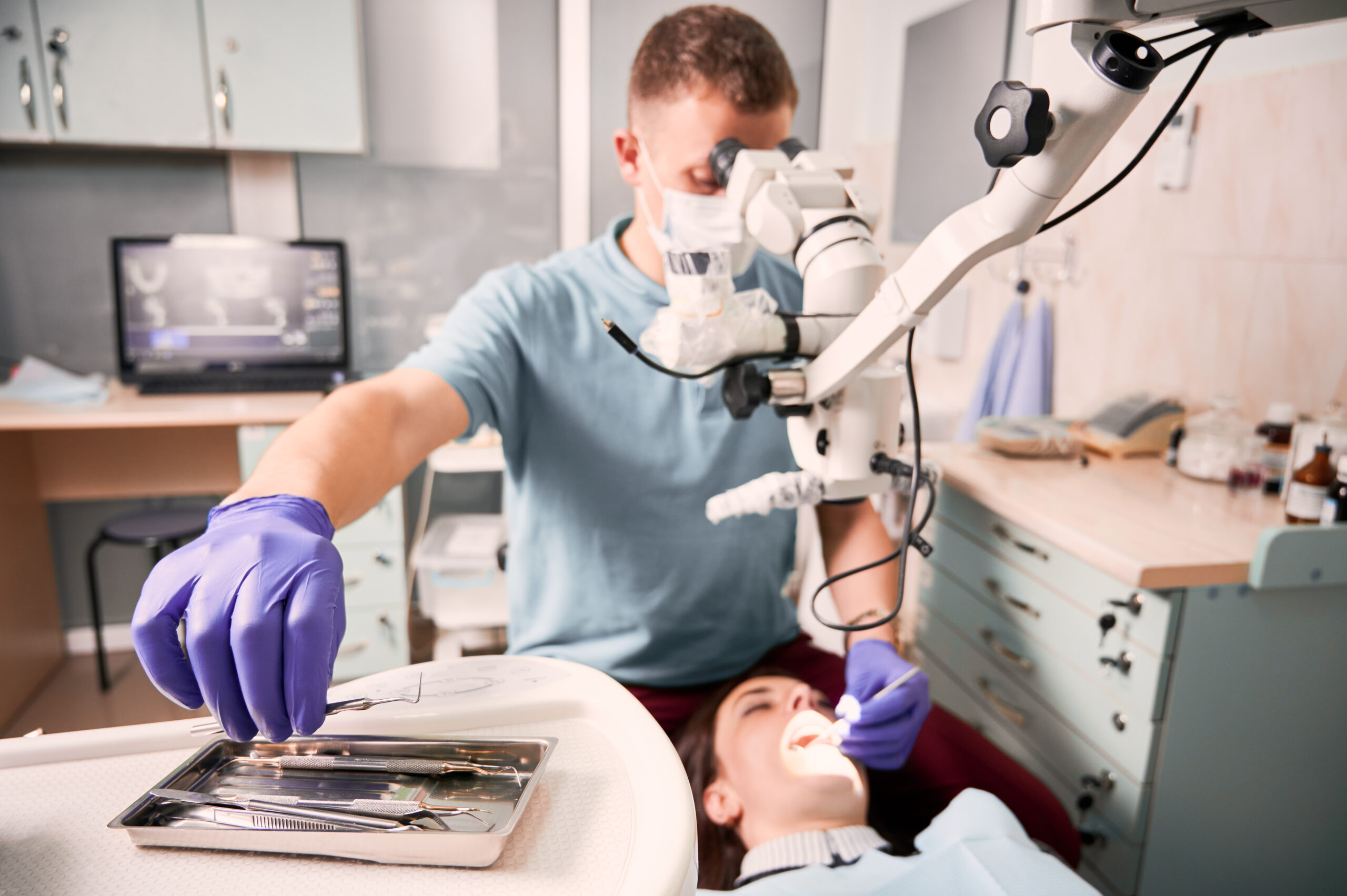
Dental Instrument in US for Modern Dental Practices
A dental practice depends on the right instruments to carry out routine examinations, cleaning procedures, restorative work, and other treatments. From basic examination tools to specialized instruments, each item has a specific purpose. Choosing the right Dental Instrument in US can help dental professionals maintain an organized workspace and perform procedures with greater control.
Dental instruments are used in private clinics, hospitals, dental laboratories, educational institutions, and specialty practices throughout the United States. Because different procedures require different tools, dental professionals usually build their instrument collection according to the treatments they provide.
Understanding Dental Instruments
Dental instruments are specialized tools designed for examination, prevention, treatment, restoration, and other dental procedures. They come in different shapes and sizes, depending on their intended use.
Some instruments are used during routine checkups, while others are designed for periodontal treatment, restorative procedures, oral surgery, endodontics, or orthodontic work.
The correct instrument should match the procedure and be suitable for professional use. Dentists and dental teams also need to consider handling, maintenance, sterilization, and durability when selecting instruments.
Common Examination Instruments
Examination instruments are among the most frequently used tools in a dental practice. They help dentists inspect the teeth, gums, and other areas of the mouth.
A basic examination setup may include a dental mirror, explorer, periodontal probe, and college tweezers. Each tool serves a different purpose during a routine examination.
The dental mirror provides visibility in areas that are difficult to see directly. An explorer can help examine tooth surfaces, while a periodontal probe is used to assess gum-related conditions.
Having reliable examination instruments available makes routine appointments easier to organize.
Dental Instruments for Cleaning and Prevention
Preventive dental care often involves professional cleaning and removal of deposits from the teeth. Dental hygienists and dentists use different hand instruments depending on the condition of the patient’s teeth.
Scalers and curettes are commonly associated with periodontal procedures and professional cleaning. Their designs allow dental professionals to work around different tooth surfaces.
The instrument selected may depend on the location and type of deposit being removed. Proper handling is important because the instruments are used in a sensitive area of the mouth.
Restorative Dental Instruments
Restorative dentistry involves repairing teeth affected by decay, damage, or other problems. Dentists may use a variety of instruments during procedures involving fillings and other restorations.
Common restorative instruments include excavators, condensers, carvers, placement instruments, and matrix-related tools. Each one is designed for a particular stage of the procedure.
A well-organized restorative setup allows dental professionals to have the necessary tools within easy reach during treatment.
Endodontic Instruments
Endodontic treatment requires specialized instruments because the procedure involves working inside the tooth and around the root canal system.
Files, reamers, spreaders, pluggers, and other specialized tools may be used during different stages of root canal treatment.
Because endodontic procedures require precision, instruments should be selected according to the treatment system and technique being used by the dental professional.
Oral Surgery Instruments
Dental and oral surgical procedures require instruments designed for cutting, grasping, separating, and other surgical tasks.
Examples can include extraction forceps, elevators, surgical scissors, needle holders, retractors, and tissue-handling instruments.
Different teeth and surgical situations may require different instrument designs. Dental professionals should therefore choose instruments based on the procedure and their clinical requirements.
Orthodontic Instruments
Orthodontic treatment also uses a specialized collection of instruments. These tools are designed to help dental professionals work with braces, wires, brackets, bands, and other orthodontic components.
Orthodontic pliers are available in different shapes for tasks such as bending, cutting, holding, and adjusting wires.
The right instrument can make small adjustments easier and help professionals work more efficiently during orthodontic appointments.
Stainless Steel Dental Instruments
Stainless steel is widely used for many reusable dental instruments because it can provide durability and resistance to corrosion when properly maintained.
However, not all stainless steel instruments are identical. The quality of the material, manufacturing process, finishing, and construction can affect how an instrument performs over time.
Dental professionals should also follow the manufacturer’s cleaning, sterilization, and maintenance instructions to protect the instrument and support safe reuse.
Sterilization and Instrument Maintenance
Proper instrument care is an important part of dental practice. Reusable instruments need to be cleaned, processed, sterilized, stored, and handled according to appropriate infection-control procedures.
The exact process can vary depending on the instrument and manufacturer’s instructions. Instruments should be inspected regularly for damage, corrosion, dull edges, loose components, or other signs of wear.
Good maintenance can help extend the useful life of instruments and keep the dental workspace organized.
Choosing Dental Instrument in US
When purchasing Dental Instrument in US, dental professionals should consider several factors instead of focusing only on appearance or price.
The first consideration is the intended use. An instrument designed for periodontal work may not be appropriate for a restorative procedure.
The handle design and grip can also affect comfort during repeated use. Dental professionals often spend long periods handling instruments, so ergonomics can matter during daily clinical work.
Instrument quality, manufacturer information, availability, and maintenance requirements are also worth reviewing before making a purchase.
Dental Instruments for Dental Clinics
A general dental clinic may require a broad selection of instruments because patients can need different types of treatment.
A basic inventory may include examination instruments, periodontal tools, restorative instruments, extraction tools, and other items used during routine procedures.
Keeping instruments organized by procedure can make preparation easier. Many practices use procedure-specific trays or organized instrument sets to reduce unnecessary searching during appointments.
Dental Instruments for Dental Laboratories
Dental laboratories have different requirements from clinical practices. Laboratory professionals may work with instruments used for models, restorations, prosthetic work, adjustments, and finishing.
The tools needed can depend on the laboratory’s specialty. A laboratory focused on crowns and bridges may use different equipment and hand instruments from one specializing in orthodontic appliances.
Choosing tools based on the laboratory’s actual workflow can help avoid unnecessary equipment purchases.
Dental Instrument Sets
Dental instrument sets can be useful when a practice needs several tools for a specific procedure. Instead of purchasing every instrument separately, a set can provide a group of compatible tools designed for a particular clinical purpose.
Before purchasing a set, check exactly which instruments are included. Different suppliers may offer sets with different combinations, so comparing the contents is important.
A practice should also consider whether every instrument in the set will actually be used.
Quality and Precision Matter
Dental instruments need to support precise clinical work. Poorly finished surfaces, uncomfortable handles, weak construction, or inappropriate designs can make routine tasks more difficult.
For this reason, dental professionals should evaluate instruments based on their intended clinical use, construction, handling, and maintenance requirements.
It is also useful to keep manufacturer documentation available for instruments that require specific care or processing procedures.
Finding a Dental Instrument Supplier in the US
When looking for dental instruments in the United States, buyers should consider the supplier’s product range, documentation, ordering process, customer support, and availability.
Professional dental suppliers may offer instruments for general dentistry as well as specialties such as endodontics, periodontics, orthodontics, and oral surgery.
Before placing an order, review the product specifications carefully. This is particularly important when replacing an existing instrument because small differences in size, shape, or design can affect compatibility and handling.
Final Thoughts
Finding the right Dental Instrument in US can make a difference in the daily workflow of a dental practice. From examination mirrors and periodontal probes to restorative, surgical, endodontic, and orthodontic instruments, every tool has a specific role.
Dental professionals should select instruments according to their procedures, handling preferences, maintenance requirements, and clinical needs. Proper cleaning, sterilization, storage, and regular inspection are equally important for reusable instruments.
A carefully selected and well-maintained instrument collection can help dental teams stay organized and prepared for routine procedures as well as specialized treatments.