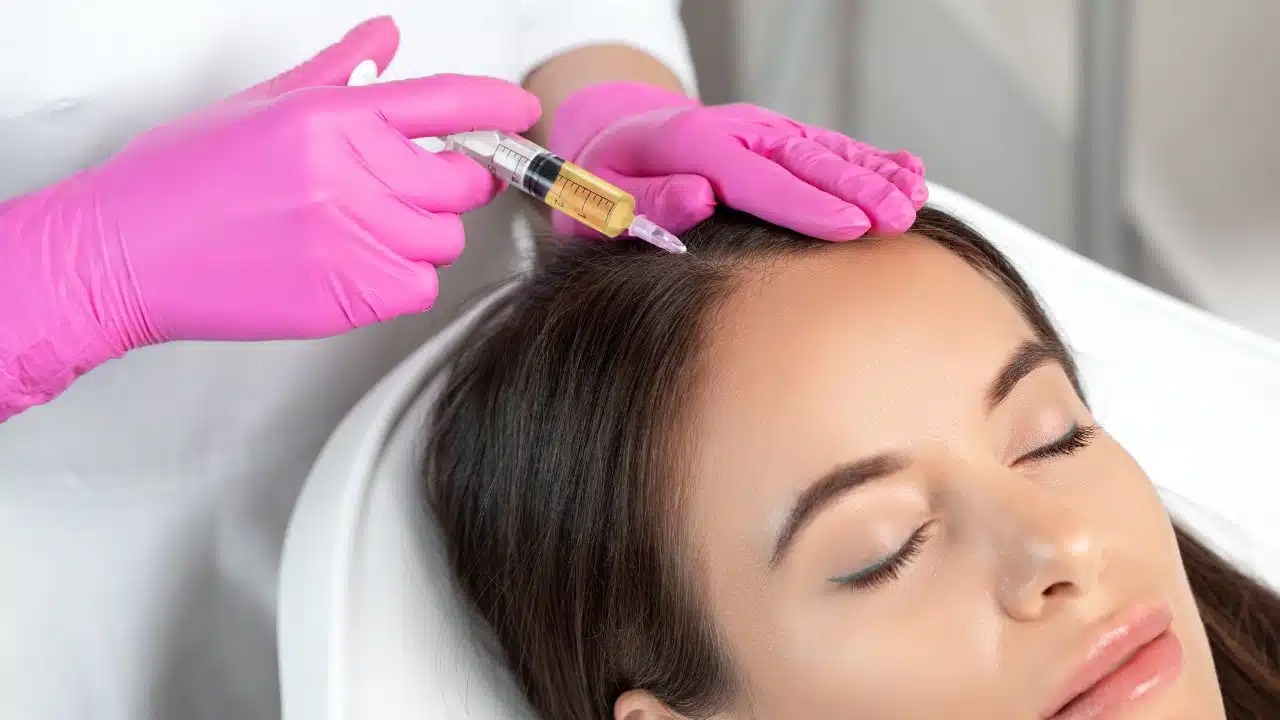
Botox treatment is widely used to soften the appearance of facial wrinkles caused by repeated muscle movement. Before considering Botox in Abu Dhabi, it is helpful to understand how the treatment works, what concerns it can address, and what kind of results may be expected. Botox contains a purified form of botulinum toxin that temporarily reduces the activity of selected facial muscles. This can make expression-related lines appear softer while allowing the face to retain a natural appearance. Learning about the treatment beforehand can help you establish realistic expectations and choose an approach that matches your aesthetic goals.
Understanding How Botox Treatment Works
Botox works by temporarily interrupting nerve signals responsible for targeted muscle contractions. Facial expressions such as frowning, squinting, and raising the eyebrows involve repeated muscle movement. Over time, these movements can contribute to visible expression lines.
By reducing the activity of specific muscles, Botox can soften the appearance of wrinkles associated with those movements. The treatment does not work by adding volume to the skin or removing its outer layers. Instead, its effect is based on temporarily changing muscle activity in carefully selected areas.
Understanding this mechanism is important because Botox is primarily intended for dynamic wrinkles. Lines that are caused mainly by changes in skin texture or volume may require a different approach.
Which Facial Areas Can Botox Treat?
Botox is commonly considered for several areas where repetitive facial expressions contribute to visible wrinkles. The forehead, area between the eyebrows, and outer corners of the eyes are among the areas frequently associated with expression lines.
Treatment can also be discussed for other facial areas depending on individual anatomy and aesthetic goals. However, every facial area requires careful consideration because muscles have different functions and relationships with surrounding structures.
A personalized approach can help determine which areas are appropriate for treatment and how muscle activity may be balanced to create a harmonious appearance.
Why a Consultation Is Important
A consultation before Botox treatment provides an opportunity to discuss your concerns and desired results. Facial movement, wrinkle patterns, skin characteristics, and overall facial proportions can be considered when developing an appropriate treatment plan.
During this process, it is useful to describe which lines concern you most and whether you prefer subtle softening or a more noticeable reduction. Clear communication helps establish expectations and supports a treatment approach tailored to the individual.
Because facial anatomy varies considerably, the same amount and placement of Botox may not be appropriate for everyone. Individual assessment is therefore an important part of treatment planning.
Understanding Natural-Looking Botox Results
Many people want wrinkles to appear softer without losing their normal facial expressions. Botox treatment can be planned with this goal in mind by focusing on specific muscles rather than attempting to eliminate movement throughout the face.
A natural-looking result generally involves maintaining an appropriate level of facial expression while reducing excessive muscle activity that contributes to visible lines. The desired effect can vary from person to person, making it important to communicate personal preferences before treatment.
The aim is usually to complement existing facial features rather than create a noticeably different appearance.
What to Expect After Treatment
Botox does not usually produce its complete visible effect immediately. The treated muscles gradually respond as the product begins to influence nerve signaling. Changes can become more noticeable over the days following treatment, with the appearance continuing to develop as the treatment takes effect.
The timing of visible results can vary depending on the treatment area, muscle activity, amount used, and individual response. For this reason, it is generally useful to allow adequate time for the treatment to settle before evaluating the overall outcome.
Understanding this gradual process can help you approach the treatment with realistic expectations.
How Long Do Botox Results Last?
Botox produces temporary changes in muscle activity. Over time, nerve signaling gradually returns and the treated muscles become active again. As muscle movement resumes, expression lines may slowly become more noticeable.
The duration of visible results varies among individuals. Factors such as the treatment area, muscle strength, individual response, and previous treatment history may influence how long the effect remains noticeable.
Because Botox is temporary, people who wish to maintain the appearance may discuss future treatment when the initial effect begins to diminish.
Botox and Different Types of Wrinkles
Not every wrinkle develops because of muscle movement. Dynamic wrinkles are strongly influenced by repeated facial expressions, while static wrinkles can remain visible even when the face is relaxed.
Botox is primarily designed to address dynamic wrinkles by reducing the muscle activity that contributes to their formation. Static lines may also appear softer in some circumstances, particularly when their appearance is partly influenced by repeated movement, but their underlying skin changes are different.
Age-related changes in collagen, elasticity, and facial volume can also affect the appearance of wrinkles. Recognizing these differences helps establish realistic expectations about what Botox treatment can achieve.
What Should You Discuss Before Botox?
Before receiving Botox, it is important to provide relevant information about your health history, current medications or supplements, previous aesthetic treatments, and any concerns you have about the procedure. This information can help determine whether the treatment is appropriate and support individualized planning.
Your aesthetic goals should also be discussed clearly. Whether you want to soften forehead lines, reduce the appearance of frown lines, or achieve a more refreshed facial appearance, explaining your priorities can help guide the treatment strategy.
Asking questions about the treatment process, expected timing, and anticipated results can also help you feel more informed before making a decision.
Setting Realistic Expectations
Botox can soften specific expression lines, but it does not permanently stop the natural aging process. Facial movement, collagen changes, skin elasticity, and other age-related factors continue to influence appearance.
Realistic expectations are therefore an important part of the treatment experience. Botox is generally focused on targeted muscle activity rather than providing a complete solution for every visible sign of facial aging.
The most appropriate expectations depend on the individual’s facial anatomy, skin condition, wrinkle pattern, and treatment goals. A personalized assessment can help clarify the type of improvement that may be achievable.
Why Individualized Treatment Matters
Facial muscles vary in strength, size, and position from one person to another. These differences mean that Botox treatment should not be approached as a one-size-fits-all procedure.
Careful treatment planning considers the relationship between different facial muscles and how reducing activity in one area may influence overall facial expression. The goal is to create a balanced appearance that suits the individual’s features.
This personalized approach can be particularly important for people seeking subtle results, as small differences in placement and treatment strategy may influence the final appearance.
Final Thoughts
Before getting Botox treatment, understanding how it works and what it is designed to address can help you make an informed decision. Botox temporarily reduces the activity of selected facial muscles, making certain expression-related wrinkles appear softer. The best approach depends on individual facial anatomy, wrinkle patterns, skin characteristics, and personal aesthetic goals. Clear communication, realistic expectations, and a personalized treatment plan are important considerations before moving forward with Botox.
FAQs
What is Botox mainly used for?
Botox is mainly used to soften wrinkles associated with repeated facial muscle movement.
How does Botox reduce wrinkles?
It temporarily decreases nerve signals to selected muscles, reducing their activity and softening related expression lines.
Are Botox results permanent?
No. Botox produces temporary changes, and normal muscle activity gradually returns over time.
When do Botox results appear?
Visible changes generally develop gradually during the days following treatment.
Can Botox look natural?
Yes, when treatment is appropriately planned, it can soften targeted wrinkles while maintaining suitable facial movement.