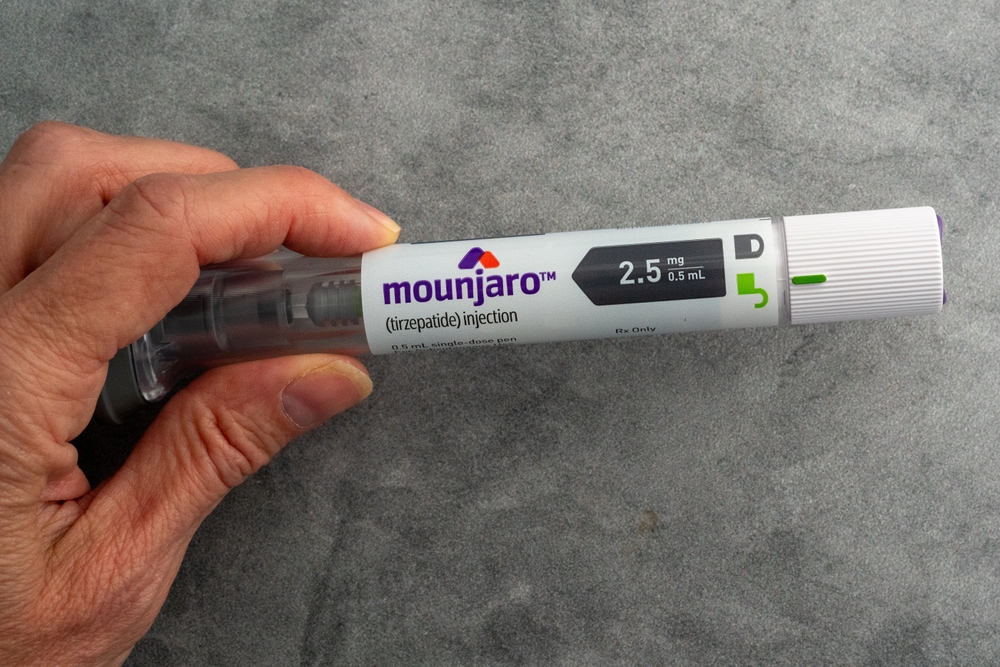
There’s a lot of blurry thinking around who’s “allowed” to get medical weight loss treatment, and it stops a lot of people from even looking into their options. Here’s a clearer picture of the actual candidacy criteria, and a few myths worth putting to rest.
Myth 1: “You Have to Be Extremely Overweight to Qualify
Not quite true, and this is where category matters a lot. Surgical treatments like bariatric surgery are generally reserved for people with a BMI of 40 or higher, or 35+ alongside weight-related health conditions like diabetes or high blood pressure. But non-surgical treatments — fat-melting injections, CoolSculpting, laser lipolysis — are actually designed for people who are already close to their target weight but dealing with specific stubborn areas. So “qualifying” depends entirely on which category you’re actually looking at.
Myth 2: “If Diet and Exercise Haven’t Worked, Nothing Will”
This is a common and understandable fear, but it misunderstands why diet and exercise sometimes stop working. In some cases, fat cells stop responding normally to insulin due to dietary and metabolic changes over time, which means fat deposits can become genuinely resistant to exercise and diet alone, regardless of effort or discipline. This is exactly the kind of situation medical weight loss treatment is designed to address — it’s not a failure of willpower, it’s a physiological pattern that sometimes needs a different approach.
Myth 3: “Surgery Is the Only ‘Real’ Option”
Non-surgical treatments are often dismissed as not being “serious” enough to matter, but that’s not accurate. Options like Aqualyx, Lemon Bottle injections, and laser lipolysis genuinely break down and reduce fat in targeted areas — they’re just built for a different scale of problem than surgery. For someone dealing with a stubborn chin or flank area rather than significant overall excess weight, these options can be a legitimately better fit than surgery, not a lesser one.
Myth 4: “Any Clinic Can Assess Whether You’re a Candidate”
This one actually matters a lot. Proper candidacy assessment requires a real evaluation — BMI, health history, current medications, and any weight-related conditions. A clinic that skips straight to recommending a specific treatment without this kind of assessment isn’t doing candidacy evaluation properly, regardless of which treatment they’re pushing.
What Real Candidacy Assessment Actually Looks Like
A proper evaluation typically covers:
- Your BMI and how it factors into the treatment categories available to you
- Any weight-related health conditions, like diabetes or high blood pressure
- Your history with previous weight loss attempts
- Your overall health and ability to safely undergo the specific treatment being considered
- Realistic goals — targeted contouring versus significant overall weight change
Precautions Worth Knowing About Beforehand
If you do move toward a surgical option, there are standard precautions most clinics will walk you through — submitting a full medical history, stopping blood thinners ahead of the procedure, avoiding smoking and alcohol, and staying properly hydrated in the lead-up. None of this is unique to any one clinic; it’s fairly standard practice across reputable providers.
Where to Get an Actual Answer
Self-assessing candidacy off a BMI calculator only goes so far. If you want to understand the full range of surgical and non-surgical options and how candidacy is actually assessed for each, this guide to weight loss treatment in Islamabad breaks down both categories in detail.
The Bottom Line
Candidacy for weight loss treatment isn’t a single bar everyone has to clear — it depends heavily on which category of treatment actually fits your situation. Understanding that distinction upfront makes the whole research process a lot less intimidating than it initially seems.
This article is for general educational purposes and isn’t a substitute for a consultation with a qualified medical professional.