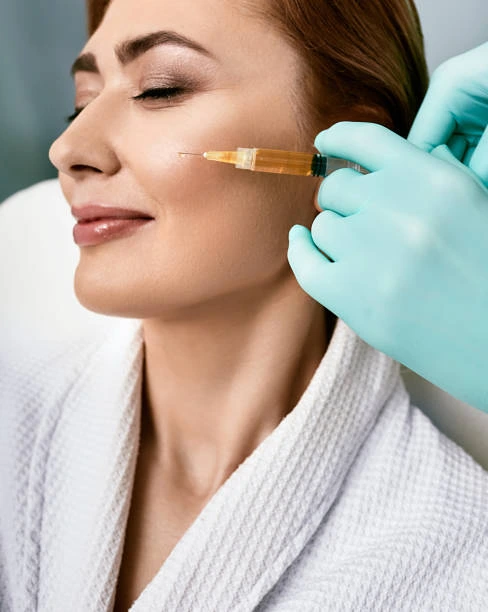
Uneven skin tone can make the complexion appear less balanced, especially when areas of the face have different levels of brightness or pigmentation. Factors such as sun exposure, visible pigmentation, changes in skin renewal, and an overall lack of radiance can contribute to an inconsistent appearance. Many people therefore explore aesthetic treatments that focus on supporting healthier-looking skin and improving its overall appearance. PRP Treatment In Abu Dhabi is one approach that has gained attention for its role in skin rejuvenation.
PRP, or platelet-rich plasma, uses a concentrated portion of a person’s own blood components. During treatment, a small blood sample is processed to separate the platelet-rich portion, which is then used as part of a skin rejuvenation procedure. The treatment is designed to support the skin’s natural regenerative processes and encourage a refreshed appearance.
What Causes Uneven Skin Tone?
Uneven skin tone can develop when certain areas of the complexion appear darker, lighter, duller, or more pigmented than surrounding skin. The difference may be subtle or more noticeable depending on the individual.
Sun exposure is one common factor associated with changes in pigmentation. Repeated exposure to ultraviolet radiation can contribute to visible discoloration and make the complexion appear less uniform. Natural changes in skin renewal can also influence how evenly the skin looks over time.
Previous blemishes may leave temporary or persistent areas of discoloration. In addition, changes in skin texture can affect how light reflects from the surface, making some areas appear darker or duller than others.
Understanding the underlying reason for uneven tone is important when considering any aesthetic treatment because different concerns may respond differently to rejuvenation approaches.
How Does PRP Treatment In Abu Dhabi Work for Skin Rejuvenation?
PRP treatment focuses on using platelet-rich plasma as part of a skin rejuvenation procedure. Platelets contain various growth-related components that are involved in the body’s natural repair processes.
After the blood sample is processed, the platelet-rich portion is prepared for use. It can then be introduced into the targeted skin area according to the treatment approach being used.
The purpose is to support the skin’s natural renewal processes. As the skin undergoes its normal regeneration cycle, improvements in overall texture, smoothness, and radiance may become more noticeable.
This makes PRP particularly interesting for individuals who want to address the general quality of their complexion rather than focusing on a single visible concern.
Can PRP Help Improve the Appearance of Uneven Skin Tone?
PRP may help improve the overall appearance of skin that looks uneven by supporting skin renewal and improving the quality of the complexion. Rather than functioning as a conventional pigmentation treatment, PRP is generally associated with regenerative skin rejuvenation.
As the skin becomes smoother and more refreshed-looking, differences in tone may appear less noticeable. Improvements in texture can also affect how light reflects from the skin, contributing to a more balanced visual appearance.
The extent of improvement depends on why the uneven tone developed in the first place. Someone experiencing mild dullness may notice a different type of change compared with someone whose uneven appearance is primarily related to pronounced pigmentation.
What Role Does Skin Renewal Play in Uneven Tone?
Skin renewal is closely connected with the overall appearance of the complexion. The skin continuously sheds older cells and produces new ones as part of its natural cycle.
When the skin’s surface looks dull or irregular, the complexion may appear less even. Supporting natural renewal can help create a smoother-looking surface and promote a fresher appearance.
PRP is often considered within this broader concept of regenerative skin care. Its purpose is not simply to change the surface appearance but to support processes associated with skin rejuvenation.
This approach can be particularly relevant for people whose uneven appearance is accompanied by concerns such as dullness, rough texture, or reduced radiance.
Can PRP Support a More Radiant Complexion?
Radiance and skin tone are closely connected visually. When the complexion looks dull, areas of discoloration or uneven texture can become more noticeable.
PRP Treatment In Abu Dhabi may support a healthier-looking complexion by encouraging skin renewal and improving the overall appearance of the skin. As the skin looks smoother and more refreshed, its natural radiance may become more apparent.
However, radiance is influenced by several factors, including skin texture, hydration, pigmentation, and the natural characteristics of the individual’s complexion. PRP should therefore be viewed as part of a broader skin rejuvenation approach rather than a guaranteed solution for every type of uneven pigmentation.
Is PRP Suitable for Different Skin Concerns?
PRP is commonly associated with skin rejuvenation and may be considered for several appearance-related concerns. These can include dull-looking skin, uneven texture, fine lines, reduced firmness, and an overall tired appearance.
When uneven tone occurs alongside these concerns, a regenerative treatment may address several aspects of the complexion at the same time.
The suitability of PRP depends on individual skin characteristics and the specific concern being addressed. A professional assessment can help determine whether the treatment approach aligns with the desired skin goals.
What Can Affect Results for Uneven Skin Tone?
The appearance of uneven skin tone can be influenced by several factors. The underlying cause of pigmentation, the condition of the skin, natural skin renewal, and the extent of discoloration can all affect how the complexion responds to rejuvenation.
Individual differences also matter. Two people with similar-looking uneven tone may have different underlying skin concerns and therefore experience different visible changes.
Expectations should remain realistic because PRP is primarily a regenerative skin treatment. Its purpose is to support the skin’s natural rejuvenation processes rather than promise complete removal of every pigmentation concern.
How Can PRP Fit Into a Skin Rejuvenation Plan?
PRP can be considered as part of a personalized skin rejuvenation plan when the main goals involve improving the overall quality and appearance of the complexion.
A treatment plan may focus on skin renewal, texture, firmness, smoothness, and radiance depending on the individual’s concerns. When uneven tone is accompanied by these issues, addressing overall skin quality may help create a more balanced appearance.
The number and timing of treatments can vary depending on individual needs and the treatment approach selected. Professional evaluation is important for determining what may be appropriate for a particular complexion.
What Should People Expect From PRP for Uneven Skin Tone?
People considering PRP should understand that skin rejuvenation generally develops progressively rather than producing an instant transformation. The skin needs time to go through its natural renewal processes.
Visible changes may include a fresher appearance, improved-looking texture, and greater overall radiance. If uneven tone is connected to dullness or irregular skin texture, these improvements may make the complexion appear more balanced.
However, pronounced pigmentation can have different causes and may require a different treatment strategy. A professional assessment can help distinguish between general uneven appearance and specific pigmentation concerns.
Conclusion
Uneven skin tone can be influenced by pigmentation, sun exposure, skin texture, and changes in the natural renewal process. PRP Treatment In Abu Dhabi offers a regenerative approach that focuses on supporting the skin’s natural rejuvenation and improving its overall appearance.
For individuals whose uneven complexion is accompanied by dullness, rough texture, reduced radiance, or other signs of skin aging, PRP may be considered as part of a personalized rejuvenation approach. The potential results depend on the individual’s skin characteristics and the underlying reason for the uneven appearance.
Understanding the cause of uneven tone remains an important part of choosing an appropriate treatment. With realistic expectations and an individualized approach, PRP can be explored as one option for supporting a smoother, fresher, and more balanced-looking complexion.
FAQs
Can PRP Treatment In Abu Dhabi improve uneven skin tone?
PRP may support a more balanced-looking complexion by encouraging skin renewal and improving overall skin quality. Its effects can be more noticeable when uneven tone is accompanied by dullness or irregular texture.
How does PRP support skin renewal?
PRP uses a concentrated portion of platelet-rich plasma as part of a regenerative skin treatment. Platelets contain growth-related components that are involved in natural repair processes, supporting the broader goal of skin rejuvenation.
Is PRP specifically a pigmentation treatment?
PRP is generally considered a skin rejuvenation treatment rather than a dedicated pigmentation-removal procedure. Its focus is on supporting skin quality, renewal, texture, and overall appearance.
Can PRP help dull-looking skin?
PRP may help improve the appearance of dull skin by supporting natural renewal and contributing to a fresher-looking complexion. Improvements in texture and radiance can make the skin appear more revitalized.
When can changes in skin appearance become noticeable?
Visible changes can develop gradually as the skin goes through its natural renewal process. The timing varies according to individual skin characteristics and the treatment approach.
Can PRP improve skin texture along with uneven tone?
PRP is commonly used as a regenerative skin treatment and may support improvements in the appearance of skin texture. When uneven tone occurs alongside roughness or dullness, improving overall skin quality may contribute to a more balanced appearance.
Is PRP appropriate for every type of uneven skin tone?
Not necessarily. Uneven tone can have different underlying causes, and PRP may not address every pigmentation concern in the same way. A professional assessment can help identify whether the treatment matches the specific skin concern.
What other skin concerns can PRP address?
PRP may be considered for concerns involving dullness, fine lines, uneven texture, reduced firmness, and overall skin rejuvenation. Its suitability depends on individual skin characteristics and treatment goals.