
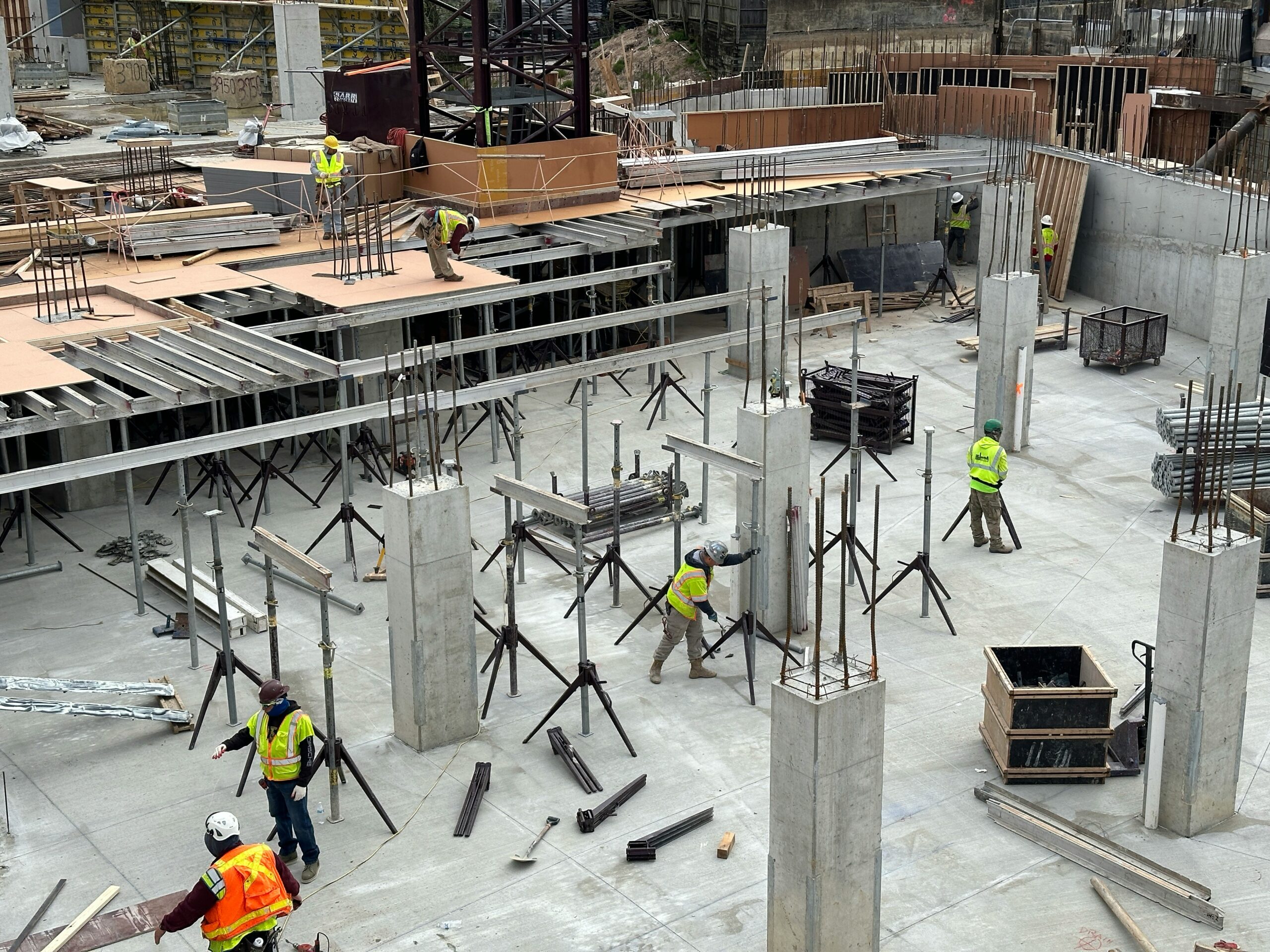
A construction project involves many decisions before the first stage of work begins. Property owners need to think about design, materials, costs, permits, scheduling, and the professionals who will manage the work. With so many options available, knowing what to look for in construction companies in Miami can help property owners approach their projects with a clearer plan.
From residential remodeling to commercial construction, every project has its own requirements. The right preparation can help make those requirements easier to manage.
Define the Scope of Your Project
The first step is to determine exactly what you want to accomplish. A project could involve a small renovation, a home addition, a complete remodeling project, or new construction.
Write down the main goals and areas that need work. For a larger project, you may also need architectural drawings, engineering plans, material specifications, and other documentation.
A clear project scope helps contractors understand what you need and prepare a more detailed proposal.
Look at Relevant Experience
Construction experience can vary significantly from one company to another. Some contractors focus on residential projects, while others primarily work on commercial buildings or specialized construction.
When reviewing a company, look for projects similar to yours. Ask about the type of properties they have worked on and whether they have experience with the size and complexity of your project.
Previous experience with similar work can also help a contractor anticipate common challenges.
Consider Miami’s Local Conditions
Miami construction projects have local considerations that should be addressed during planning. The region experiences high temperatures, humidity, heavy rainfall, and hurricane conditions.
Depending on the property and project, these conditions can influence choices involving windows, doors, roofing, drainage, exterior materials, and structural components.
Local construction requirements and permitting should also be reviewed before work begins. Miami-Dade County has specific building requirements for many types of construction, so proper planning is important.
Review Licensing and Insurance
Before hiring a construction company, verify the appropriate license and insurance information. The contractor should have credentials that match the type of work being performed.
Insurance is also an important consideration because construction work involves employees, subcontractors, equipment, and property.
Do not hesitate to ask for documentation. A professional company should be able to explain its licensing and insurance coverage clearly.
Compare Detailed Proposals
Getting more than one proposal can help you understand the expected cost of your project. However, comparing only the final price can be misleading.
Review what each proposal includes. One estimate may include demolition, permits, cleanup, and finishing work, while another may exclude some of these items.
A detailed proposal should make it easier to compare:
- Labor
- Materials
- Permits
- Demolition
- Site preparation
- Subcontractor work
- Installation
- Cleanup
- Project management
Understanding the complete scope is more useful than simply choosing the lowest number.
Ask About Project Management
Construction requires coordination between multiple trades. Electricians, plumbers, carpenters, painters, flooring installers, and other specialists may all be involved.
Ask the construction company how it manages these different teams. Find out who will supervise the project and who will communicate with you throughout construction.
Having a clear project manager can make it easier to discuss questions, changes, and unexpected issues.
Discuss Your Budget Early
Budget discussions should happen before construction begins. Be open about your expected budget and ask the contractor what can realistically be completed within it.
Material selections, project size, structural changes, and design choices can all affect the final cost.
For renovation projects, it is also important to consider unexpected conditions. Older buildings may have hidden plumbing, electrical, structural, or moisture-related issues that only become visible after work begins.
Understand the Construction Timeline
Every project needs a realistic schedule. Ask the contractor how long the major phases are expected to take and what factors could affect completion.
A typical project may include planning, permitting, demolition, structural work, mechanical systems, interior finishes, inspections, and final cleanup.
Weather, material availability, inspections, and changes to the original plan can sometimes affect the schedule. Discuss how these situations will be communicated before work begins.
Pay Attention to Communication
Communication is one of the practical parts of managing a construction project. Property owners should know how they will receive updates and who to contact when questions arise.
Before hiring a contractor, discuss:
- How often updates will be provided
- Who your main contact will be
- How changes will be approved
- How unexpected problems will be reported
- How progress will be documented
Clear communication can help prevent small misunderstandings from becoming larger project issues.
Read the Contract Carefully
A written contract should explain the important terms of the project. Take time to review the agreement before signing it.
Important details may include the scope of work, payment schedule, materials, project timeline, warranty information, permit responsibilities, and change-order procedures.
If additional work becomes necessary, make sure the changes and associated costs are documented before the work proceeds.
Residential and Commercial Construction
Construction companies may handle different types of projects depending on their expertise.
Residential projects can include:
- Custom home construction
- Kitchen remodeling
- Bathroom renovations
- Home additions
- Whole-house renovations
- Exterior improvements
Commercial projects may include office renovations, retail build-outs, restaurants, hospitality spaces, and other business properties.
Choosing a company with experience in your specific type of project can help ensure that the team understands the requirements involved.
Final Thoughts
Choosing among construction companies in Miami requires more than comparing prices. Property owners should consider experience, licensing, insurance, project management, communication, pricing, and knowledge of local construction requirements.
Before signing an agreement, define your project clearly, review detailed proposals, ask questions about the construction process, and make sure the contract covers the important details.
A well-planned project gives everyone a clearer understanding of what needs to be completed, how the work will be managed, and what to expect throughout the construction process.
FAQs
How do I choose a construction company in Miami?
Review the company’s relevant experience, licensing, insurance, previous projects, estimates, communication process, and contract terms.
What types of projects can construction companies handle?
Depending on their specialization, construction companies may handle new homes, remodeling, additions, commercial build-outs, renovations, and other construction projects.
Why is local experience useful for Miami construction?
Local experience can help a contractor understand Miami’s climate, construction conditions, permitting requirements, and building regulations.
Should I compare multiple construction estimates?
Comparing multiple detailed estimates can help you understand the scope and expected costs of your project. Make sure you compare similar scopes of work rather than price alone.
What should I discuss with a contractor before construction starts?
Discuss the project scope, budget, materials, timeline, permits, communication, payment schedule, change orders, and responsibilities before work begins.
Explore Our Latest Articles for More Tips and Information.
