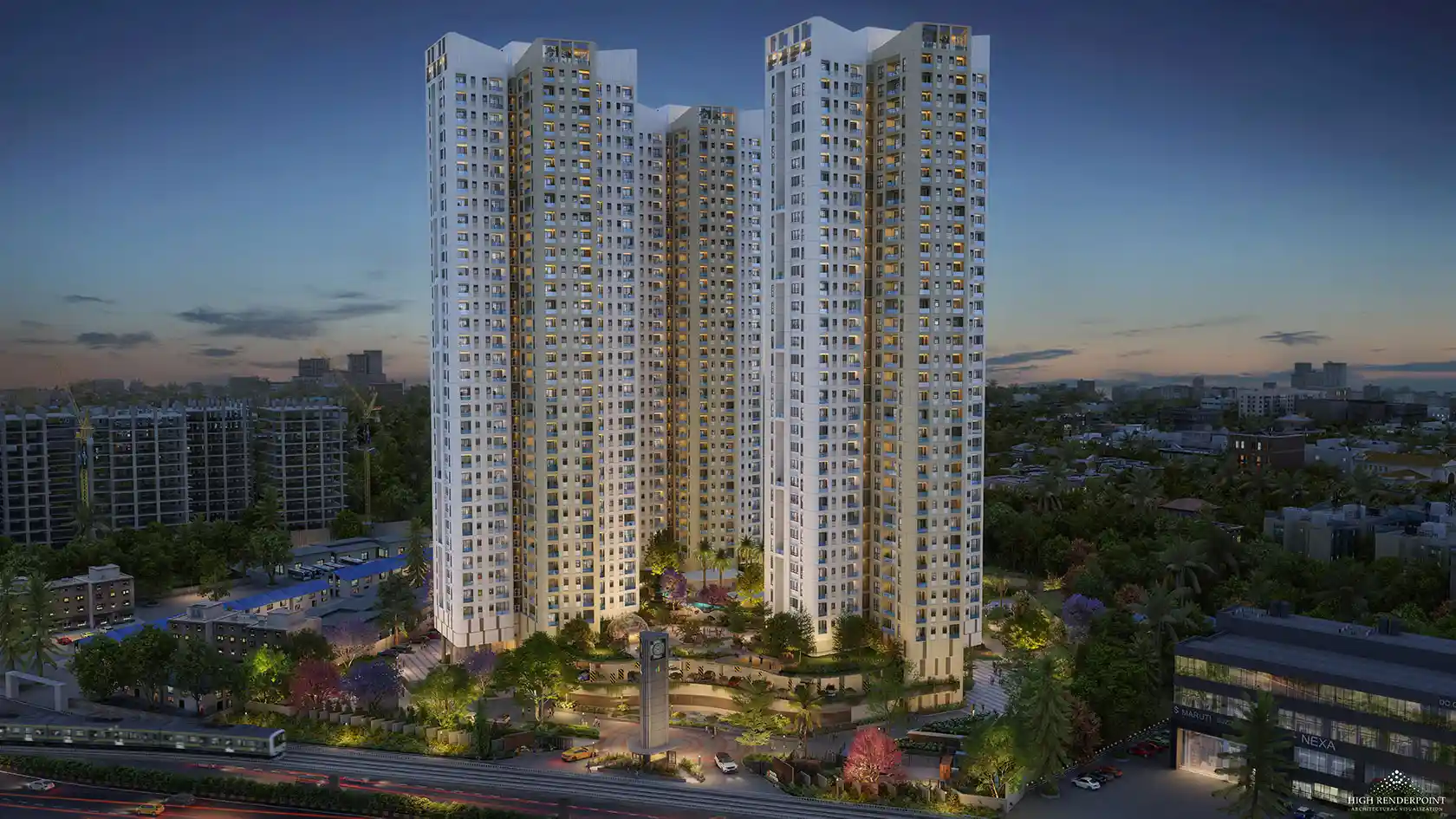
Luxury properties attract investors for reasons that extend beyond appearance, size, and premium finishes. A luxury property for sale Philippines can offer access to prime locations, strong rental markets, quality amenities, and potential long-term value. These properties often sit within established business districts, residential communities, and tourism destinations where demand can remain relatively stable.
What Defines a Luxury Investment Property?
A luxury investment property generally combines a premium location, high-quality construction, spacious layouts, and specialized amenities. Its value comes from several connected characteristics rather than from price alone. Properties in this category may include high-end condominiums, private residences, villas, and other developments designed for buyers seeking greater comfort and privacy.
Location has a major effect on how a luxury property performs as an investment. Properties near central business districts, transportation networks, schools, commercial areas, and leisure destinations can attract different groups of buyers and tenants. In the Philippines, Metro Manila, Cebu, and selected tourism areas contain established markets for high-end residential properties.
Premium Features and Property Quality
Construction quality and interior features can affect a property’s market position. Luxury residences may include larger floor areas, upgraded materials, modern appliances, private facilities, security systems, and access to shared amenities. These features can influence rental rates and resale interest, particularly when comparable properties offer fewer facilities or lower specifications.
Why Are Luxury Properties Attractive to Investors?
Investors often assess property based on its potential to generate income, retain value, and meet future market demand. Luxury properties can appeal to higher-income tenants, expatriates, executives, and affluent households. Their locations and facilities may also create a distinct market segment with different pricing patterns from standard residential properties.
A luxury property for sale Philippines may also provide portfolio diversification for investors who already hold financial assets. Real estate has different performance characteristics from stocks, bonds, and other investments. Property value can be influenced by location, infrastructure, economic activity, rental demand, and supply within a specific market.
Rental Income Potential
Rental demand is an important consideration for investors purchasing residential property. Luxury units located near business centers and major commercial districts can attract professionals and corporate tenants seeking convenient housing. Rental income depends on factors such as unit size, location, amenities, market supply, property condition, and prevailing rental rates.
Long-Term Property Value
Property value can change as surrounding areas develop and demand shifts. Infrastructure projects, new commercial centers, improved transportation, and increased business activity can affect the attractiveness of nearby residential areas. Established neighborhoods may also retain demand because they already have access to schools, healthcare facilities, retail centers, and transportation options.
How Location Affects Investment Potential
Location provides important context for evaluating a luxury property. A high-priced residence in an area with limited demand may have different investment prospects from a similarly priced property in a well-established district. Investors commonly examine accessibility, nearby developments, local services, and the property’s relationship to major employment centers.
The Philippine property market contains several locations with established luxury residential segments. Metro Manila has high-end residential communities near major business districts, while Cebu has premium developments connected to business and tourism activity. Other destinations may attract buyers seeking vacation homes, second residences, or properties connected to tourism markets.
Accessibility and Surrounding Development
Accessibility can influence both rental demand and resale interest. Properties near major roads, airports, public transportation, business districts, and commercial centers may appeal to residents who prioritize shorter travel times. Surrounding development also matters because new offices, retail centers, schools, and infrastructure can change how a neighborhood functions over time.
What Investors Should Assess Before Buying
Investment analysis requires more than reviewing the property’s appearance or asking price. Investors can examine purchase costs, association dues, property taxes, maintenance expenses, expected rental income, vacancy periods, and potential resale value. These figures provide a clearer picture of the property’s financial performance and the costs associated with ownership.
Market conditions also provide useful context. Comparable property prices, rental rates, available inventory, transaction activity, and recent development can indicate how a particular segment is performing. Legal ownership requirements, title records, development permits, and contractual terms are also important parts of a property investment assessment.
Rental Demand and Operating Costs
A property’s rental potential depends on actual demand within its location and price segment. High-end units can command higher rents, but their tenant pool may be smaller than that of more affordable housing. Investors also need to account for maintenance, management fees, repairs, association dues, taxes, and periods when the property remains vacant.
Resale Considerations
Resale value depends on factors such as location, property condition, remaining lease or ownership terms, market demand, and comparable sales. A property with desirable access and strong surrounding infrastructure may attract more potential buyers. However, market conditions can shift, so past price increases do not guarantee similar results in the future.
Key Takeaway
A luxury property for sale Philippines can attract investors through a combination of location, quality, rental demand, amenities, and potential long-term value. Prime areas may provide access to established business districts, commercial centers, transportation, and lifestyle facilities. Investment performance still depends on purchase price, operating costs, rental demand, market supply, and resale conditions.
Evaluating these factors together provides a more complete picture of a property’s financial potential. Luxury status alone does not determine investment performance, since location and market fundamentals remain important considerations.