

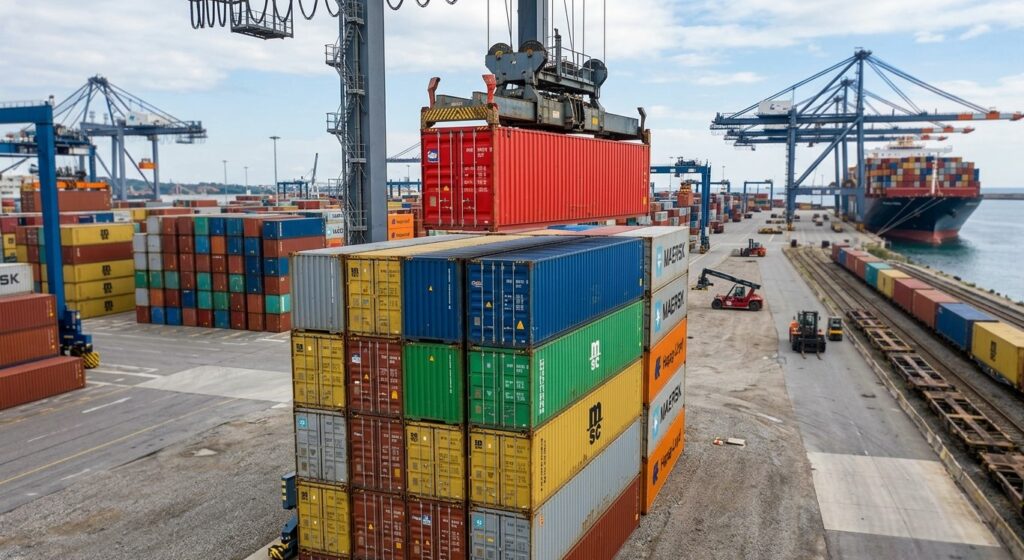
When researching shipping containers for sale, many buyers wonder whether they can stack containers to create more storage space without using additional ground area. The answer is yes, shipping containers are designed to withstand stacking loads through their structural corner posts and fittings, but proper planning is essential. Whether you are looking for a shipping container for sale near me, comparing storage containers for sale, or exploring container solutions from Conex Hub, understanding stacking safety, benefits, and limitations can help you make an informed decision.
Table of Contents
- Can Shipping Containers Be Stacked?
- How Do Shipping Containers Support Stacking?
- Benefits of Stacking Shipping Containers
- How to Stack Containers Safely
- Important Safety Considerations
- Limitations of Stacking Shipping Containers
- When Should You Avoid Stacking?
- Choosing the Right Containers for Stacking
- Frequently Asked Questions
- Final Thoughts and CTA
Can Shipping Containers Be Stacked?
Yes, shipping containers can be stacked when the containers are suitable for stacking and the installation is properly planned.
Shipping containers are engineered with strong corner posts and corner fittings that transfer vertical loads through the container structure. International container standards include requirements for stacking strength, which is why containers are routinely stacked during transportation and handling.
However, the fact that containers can be stacked does not mean every container can automatically be placed on top of another. Container condition, design, allowable stacking load, ground conditions, weather, and securement all need to be considered.
How Do Shipping Containers Support Stacking?
The primary structural components involved in stacking are the container’s corner posts and corner fittings.
When one container is placed on top of another, the upper container’s lower corner fittings should properly align with the lower container’s upper corner fittings. This allows the vertical load to transfer through the intended structural points rather than through the container walls or roof.
The container’s safety documentation and markings can provide important information about its allowable stacking capability. The allowable stacking mass can vary between containers and designs.
This is why containers should not simply be stacked based on appearance. The specifications of the actual units should be checked before creating a stack.
Benefits of Stacking Shipping Containers
1. Maximizes Available Space
One of the biggest advantages of stacking is that it allows you to increase storage capacity vertically.
Instead of placing several containers across a large property, stacking can make better use of a smaller footprint.
2. Creates Additional Storage Capacity
Businesses, construction companies, warehouses, and storage facilities can potentially increase their available container storage without expanding their entire site.
3. Useful for Commercial Operations
Container yards and commercial properties may use vertical arrangements to organize inventory and equipment more efficiently.
4. Supports Modular Projects
Stacked containers can also be incorporated into certain modular building projects, including offices, workshops, and other structures. However, permanent structures require appropriate structural planning and compliance with applicable building requirements.
5. Better Use of Limited Land
For sites where ground space is limited, vertical storage can provide an alternative to spreading containers across the property.
How to Stack Containers Safely
Safe stacking requires more than simply placing one container on top of another.
Inspect Every Container
Before stacking, inspect the containers for significant structural damage, corrosion, damaged corner posts, or compromised corner fittings. The condition of the container can affect whether it is suitable for stacking.
A container that is acceptable for basic storage may not necessarily be appropriate for a particular stacking arrangement.
Align the Corner Fittings
The upper container needs to sit correctly on the structural points of the container below it.
Proper alignment helps transfer the vertical load through the intended load-bearing components.
Check the Allowable Stacking Load
Different containers may have different ratings. Check the relevant safety plate and manufacturer documentation before stacking.
Do not assume that every container has the same stacking capacity.
Prepare a Suitable Foundation
The ground beneath the bottom container is extremely important because the entire stack transfers its weight through the bottom container and ultimately into the ground.
A suitable, stable, level foundation helps prevent unwanted movement and uneven loading.
Secure the Containers
Depending on the application, appropriate container connection or securing equipment may be needed to prevent movement. Stacking hardware can be used to connect containers at their corner fittings.
For permanent or multi-level installations, professional engineering and installation advice can be important.
Important Safety Considerations
Container Condition
Rust, structural damage, bent corner posts, or damaged fittings can affect the safety of a stacked arrangement.
Inspect containers before installation, particularly when purchasing used units.
Wind
Stacked containers have a large exposed surface area. Wind conditions can therefore become an important consideration, particularly for taller stacks or exposed locations.
Ground Conditions
Uneven or unstable ground can cause settlement or movement. The foundation should be appropriate for the weight and configuration of the stack.
Container Type
Not every specialized container has the same stacking characteristics. Storage containers and specialized units may have different structural ratings and requirements. For example, technical specifications for some storage containers specify maximum stacking heights and require particular stacking hardware.
Load Distribution
The weight inside each container also matters. Unevenly distributed cargo can affect the way forces are transferred through the container.
Limitations of Stacking Shipping Containers
Although stacking provides useful benefits, it has limitations.
Not Every Container Is Suitable
A container’s age, condition, design, modifications, and structural integrity can affect its suitability for stacking.
Height Can Be Limited
The maximum safe stack height depends on the container specifications, site conditions, wind exposure, foundation, securement system, and intended use.
There is no single universal stack height that applies safely to every site.
Special Containers May Have Different Requirements
Open-top, side-opening, refrigerated, modified, and other specialty containers may have different structural characteristics.
Some container designs can have reduced stacking capability under certain configurations.
Building Regulations May Apply
If stacked containers are being used to create a permanent building, additional requirements may apply. Local building codes, structural engineering, fire safety, electrical requirements, and permits can all become relevant.
When Should You Avoid Stacking?
Stacking may not be appropriate when:
- The containers have serious structural damage.
- Corner fittings or posts are compromised.
- The ground is unstable or unsuitable.
- The containers have unknown stacking ratings.
- The units are heavily modified without structural evaluation.
- Severe wind or other environmental conditions create additional risks.
- The planned configuration exceeds the manufacturer’s specifications.
When in doubt, obtain professional advice before stacking multiple units.
Choosing the Right Containers for Stacking
If you are searching for shipping containers for sale, tell the supplier how you intend to use the containers. This allows you to ask about suitable specifications, condition, and stacking requirements.
If you are searching for a shipping container for sale near me, consider not only the purchase price but also delivery access, site preparation, foundation requirements, and installation.
You can also compare different storage containers for sale based on their dimensions, condition, structural specifications, and intended application.
Conex Hub provides shipping container solutions for different residential, commercial, construction, and storage applications. Before purchasing containers for a stacked arrangement, discuss your intended configuration and site requirements with the supplier.
Frequently Asked Questions
Can two shipping containers be stacked?
Yes, suitable shipping containers can be stacked when their structural condition, stacking ratings, alignment, foundation, and securing method are appropriate.
How many shipping containers can be stacked?
There is no universal number that is safe for every situation. The allowable height depends on the container’s specifications, condition, stacking capacity, site conditions, securement, and local requirements.
Do shipping containers need to be secured when stacked?
Depending on the application and environmental conditions, containers may need suitable connections or securing hardware to reduce movement. The appropriate method depends on the stack and site.
Can used shipping containers be stacked?
Some used containers can be stacked, but they should be inspected carefully. Age alone does not determine suitability; structural condition and applicable ratings are important.
Can storage containers be stacked?
Some storage containers are specifically designed for stacking, while others may have limited or no stacking capability. Always check the manufacturer’s specifications before stacking.
Does the ground need to be level?
A stable and appropriately prepared foundation is important for stacked containers. Uneven or weak ground can create stability and load-distribution problems.
Can stacked containers be used as a building?
They can be incorporated into certain building projects, but permanent structures require appropriate structural design and compliance with applicable local building regulations.
Final Thoughts
Stacking shipping containers can be an effective way to increase storage capacity while using less ground space. However, safe stacking depends on much more than simply placing one container on another.
The condition and specifications of each container, corner alignment, allowable stacking load, foundation, weather conditions, and appropriate securing methods all need to be considered.
Whether you are comparing shipping containers for sale, searching for a shipping container for sale near me, or reviewing storage containers for sale, make sure the containers you select are appropriate for your intended configuration.
With Conex Hub, you can explore container options for storage, construction, commercial, and other applications while considering the requirements of your particular project.
Ready to Find the Right Shipping Containers?
Planning to expand your storage capacity or create a multi-container setup?
Explore the available options from Conex Hub and discuss your project requirements with the team. Choosing containers that match your intended use, site, and storage needs can help you build a more practical and well-planned container solution.

