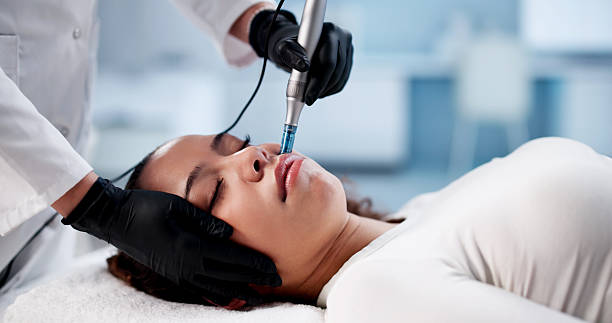
Stretch marks are a common form of skin texture change that can develop when the skin stretches or changes relatively quickly. They may appear during periods of growth, body changes, or other times when the skin’s structure adapts to increased tension. Microneedling has attracted attention as a collagen-focused treatment that works with the skin’s natural renewal process. For people researching Microneedling Abu Dhabi, understanding how microneedling may soften the appearance of stretch marks and encourage gradual skin remodeling can help establish realistic expectations.
What Are Stretch Marks?
Stretch marks are visible lines or bands that develop when the skin’s deeper structure changes during periods of stretching. They can appear on areas such as the abdomen, thighs, hips, arms, breasts, or other parts of the body.
Their appearance can vary considerably. Newer stretch marks may have a more noticeable color, while older marks can become lighter and develop a texture that differs from the surrounding skin.
Although stretch marks are a natural skin change, many people seek aesthetic treatments when they want the affected areas to appear smoother and more uniform.
Why Do Stretch Marks Affect Skin Texture?
The deeper layers of the skin contain collagen and elastin, which help provide strength, structure, and flexibility. When the skin stretches rapidly, these structural components can become disrupted, contributing to the formation of visible lines.
As stretch marks mature, their texture may become different from the surrounding skin. Some may appear slightly depressed, while others can have a smoother or thinner-looking surface.
Because these changes involve the skin’s internal structure, treatments that encourage collagen remodeling may be considered when the goal is to improve their appearance.
How Does Microneedling Work on Stretch Marks?
Microneedling uses fine needles to create controlled microscopic channels in the skin. These channels stimulate the body’s natural repair response and encourage collagen and elastin production.
The newly stimulated collagen can gradually become incorporated into the existing skin structure. As remodeling occurs, the appearance and texture of stretch marks may become less pronounced.
Rather than attempting to instantly erase the marks, microneedling works through a gradual biological process. This approach makes it relevant for people looking for progressive improvement in the texture and visibility of stretch marks.
Can Microneedling Soften Stretch Marks Naturally?
Microneedling can help soften the appearance of certain stretch marks by stimulating collagen production and encouraging natural skin remodeling. As new collagen develops, the contrast between the stretch mark and surrounding skin may become less noticeable.
The word “naturally” in this context refers to the treatment’s ability to stimulate the body’s own repair and collagen-building mechanisms. Microneedling does not simply cover stretch marks; it is designed to encourage structural changes within the treated skin.
The amount of improvement varies according to the age, depth, location, and characteristics of the stretch marks.
Can Microneedling Help Older Stretch Marks?
Older stretch marks can still be considered for microneedling because mature marks continue to have differences in skin structure. Their lighter color does not necessarily mean that their texture cannot be improved.
Microneedling may encourage collagen remodeling within established stretch marks, potentially making them appear smoother and less defined.
However, older marks can be more established than newer ones, so the degree of improvement may vary. Treatment expectations should be based on the characteristics of the individual stretch marks rather than their age alone.
What About Newer Stretch Marks?
Newer stretch marks can look different from mature marks because their color and texture may be more noticeable. During this stage, the skin is still undergoing changes associated with the development of the stretch mark.
Microneedling may be considered as part of an approach focused on supporting collagen remodeling. However, suitability depends on the condition of the skin and the specific characteristics of the marks.
A professional assessment can determine whether microneedling is appropriate and establish realistic expectations for improving the appearance of newer stretch marks.
Why Is Collagen Important for Stretch Marks?
Collagen plays a central role in maintaining the skin’s structure and strength. Stretch marks develop partly because the skin’s deeper structural network changes during rapid stretching.
Microneedling aims to stimulate collagen production in the treated area. As collagen develops and remodels, the texture of the stretch marks may gradually become more similar to the surrounding skin.
This process is not immediate. Collagen formation occurs progressively, which is why improvements in stretch-mark texture are generally evaluated over time.
Can Microneedling Improve Stretch-Mark Texture?
Texture is one of the main characteristics microneedling may help address. Stretch marks can sometimes feel or look different from nearby skin, particularly when they are mature or slightly depressed.
By encouraging collagen remodeling, microneedling may help make these areas appear smoother and more integrated with the surrounding skin.
The goal is usually not complete elimination. Instead, treatment focuses on reducing the visual prominence of the marks and improving the overall uniformity of the skin surface.
How Many Treatments May Be Needed?
Stretch marks vary significantly in number, depth, and size, so treatment requirements can differ from one person to another. A small area with subtle marks may have different needs from a larger area containing numerous established stretch marks.
Microneedling is commonly performed as a series of treatments because collagen remodeling is gradual. Each treatment can contribute to the overall renewal process while the skin continues to develop new collagen between sessions.
The appropriate number and spacing of treatments should be determined according to the individual’s skin and the characteristics of the stretch marks.
When Can You See Improvement?
Microneedling does not usually produce its full effect immediately. The treatment initiates a natural repair response, but collagen production and remodeling take time.
Gradual changes in texture may become noticeable over the following weeks, while more significant refinement can continue over several months.
The timeline depends on factors such as the maturity of the stretch marks, their depth, the treatment approach, and the individual’s natural collagen response. Patience is therefore an important part of the process.
Can Microneedling Make Stretch Marks Disappear Completely?
Microneedling may reduce the visibility of stretch marks, but complete removal should not be expected. Stretch marks involve changes in the deeper structure of the skin, and established structural changes cannot always be completely reversed.
A realistic goal is to make the marks less noticeable and improve the consistency of the surrounding texture. As collagen remodeling progresses, the lines may appear softer, smoother, and less distinct.
The final result depends on the characteristics of the stretch marks and the individual’s response to treatment.
Why Does Stretch-Mark Type Matter?
Stretch marks can differ according to their age, color, depth, width, and location. These characteristics influence how the skin may respond to collagen-stimulating treatment.
A professional assessment can help determine the nature of the stretch marks and whether microneedling is a suitable option. It can also help establish realistic expectations about the degree of texture improvement.
Understanding these differences prevents the assumption that every stretch mark will respond in exactly the same way.
Is Microneedling Suitable for Different Skin Tones?
Microneedling can be considered for a wide range of skin tones when treatment is appropriately assessed and planned. Skin tone and pigmentation characteristics can be taken into account when developing an individualized treatment approach.
The goal remains the same: controlled stimulation of the skin’s natural collagen-remodeling process.
Professional assessment is particularly useful because skin characteristics vary considerably between individuals. A personalized approach can help determine the most appropriate treatment strategy for the specific stretch marks being addressed.
What Can Influence the Results?
The appearance and age of the stretch marks, their depth, the treated area, and the individual’s natural collagen response can all influence the outcome.
Treatment expectations also play an important role. Microneedling is designed to create gradual refinement rather than an instant transformation.
When the goal is clearly defined as improving texture and reducing the visual prominence of stretch marks, it becomes easier to evaluate progress realistically as collagen remodeling continues.
Why Professional Assessment Matters
Stretch marks may look similar at first glance while having different characteristics beneath the surface. A professional assessment can identify these differences and determine whether microneedling is appropriate for the specific skin concern.
The assessment can also help establish a personalized treatment plan based on the area being treated and the appearance of the marks.
This individualized approach is especially valuable when stretch marks are extensive, deeply textured, or located across several areas of the body.
Final Thoughts
Microneedling can help soften the appearance of certain stretch marks by encouraging the skin’s natural collagen production and remodeling process. As new collagen develops, stretch-mark texture may become smoother and the lines may appear less noticeable.
The treatment does not guarantee complete removal, and results can vary according to the age, depth, size, and characteristics of the stretch marks. Because collagen remodeling takes time, improvement is generally gradual.
For individuals interested in improving the appearance of stretch marks, microneedling may offer a collagen-focused approach that works with the skin’s natural renewal mechanisms. A professional assessment can determine whether the treatment is suitable and help establish realistic expectations for the resulting texture improvement.
FAQs
Can microneedling soften stretch marks?
Yes, microneedling can improve the appearance and texture of certain stretch marks by stimulating collagen remodeling.
Does microneedling work on old stretch marks?
It may improve the appearance of established stretch marks, although the degree of improvement varies between individuals.
Can stretch marks disappear completely?
Microneedling may make stretch marks less noticeable, but complete removal should not be expected.
How long do results take?
Visible improvement develops gradually as collagen production and remodeling continue over several weeks and months.
Is microneedling suitable for all stretch marks?
Suitability depends on the characteristics of the stretch marks and the individual’s skin, so professional assessment is important.