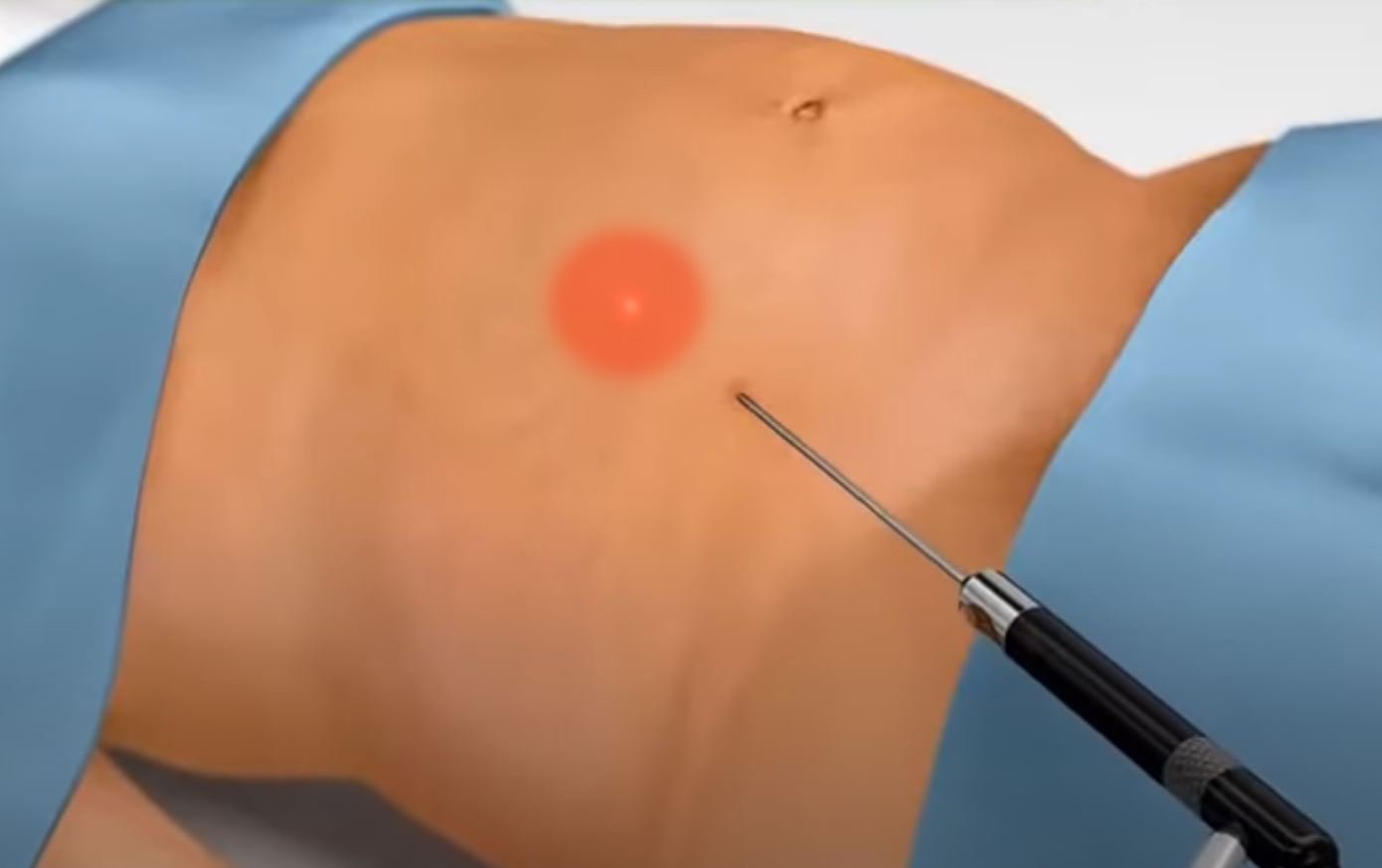
Access to quality eye care should not depend on a person’s financial situation. For individuals and families who cannot afford expensive medical treatment, free eye treatment hospitals in Delhi can provide essential ophthalmic services, including examinations, diagnosis, medicines, surgical care, and follow-up support.
Among the most important services is free motiyabind operation in Delhi. Motiyabind, commonly known as cataract, can gradually make the eye lens cloudy and cause blurred vision. When cataract becomes advanced, surgery may be required to restore useful vision. Charitable healthcare organizations and nonprofit eye hospitals help eligible patients receive cataract evaluation and treatment with little or no financial burden, depending on the program and eligibility criteria.
Free Eye Treatment Hospital in Delhi for Patients in Need
Delhi has a wide network of hospitals, charitable organizations, and healthcare institutions serving people from different economic backgrounds. A free eye treatment hospital in Delhi may provide services designed specifically for economically disadvantaged patients.
Typical services can include:
- Comprehensive eye examinations
- Cataract screening
- Vision testing
- Glaucoma evaluation
- Eye infection treatment
- Refractive-error assessment
- Medication and basic eye-care guidance
- Cataract surgery for eligible patients
- Post-operative follow-up
- Referral for specialized ophthalmic treatment
Patients should confirm the hospital’s current free-treatment program, eligibility requirements, documentation, and appointment process before visiting.
What Is Motiyabind or Cataract?
Motiyabind is the common term for cataract, a condition in which the normally clear lens inside the eye becomes cloudy. The lens helps focus light onto the retina. As the lens becomes less transparent, vision can gradually become unclear.
Common symptoms include:
- Blurred or cloudy vision
- Difficulty seeing in low light
- Increased sensitivity to bright lights
- Glare around headlights
- Faded or less vivid colors
- Difficulty reading
- Frequent changes in spectacle prescription
- Reduced ability to perform everyday activities
Cataracts often develop gradually. Therefore, some people may not immediately recognize that their vision is being affected.
Free Motiyabind Operation in Delhi
A motiyabind operation free Delhi may be available through charitable hospitals, nonprofit healthcare organizations, eye-care camps, and sponsored medical programs.
Cataract surgery generally involves removing the cloudy natural lens and replacing it with an artificial intraocular lens, when clinically appropriate. The exact surgical method and lens selection depend on the patient’s eye condition and the ophthalmologist’s assessment.
For patients seeking free cataract treatment, the process commonly begins with an eye examination. The medical team determines whether the vision problem is caused by cataract and whether surgery is appropriate.
Eligible patients may then receive:
- Eye screening and diagnosis
- Pre-operative examination
- Necessary medical tests
- Cataract surgery
- Post-operative medication
- Follow-up examination
- Instructions for recovery and eye protection
The services included in a free program can vary between institutions.
Who May Qualify for a Free Motiyabind Operation?
Eligibility depends on the hospital, charitable organization, sponsorship program, and available resources. Many charitable programs prioritize patients who demonstrate financial need.
Patients may be asked to provide documents such as:
- Government-issued identification
- Address proof
- Income-related documentation, where applicable
- Medical reports
- Previous prescriptions
- Other documents specified by the hospital
Some organizations may use their own eligibility assessment instead of requiring every document listed above. Patients should contact the selected hospital directly for the latest requirements.
How to Get a Free Cataract Operation in Delhi?
Finding a free cataract surgery Delhi generally starts with identifying an organization that offers subsidized or fully sponsored eye surgery.
Step 1: Find a Charitable Eye-Care Provider
Look for nonprofit hospitals, charitable eye hospitals, medical foundations, and community healthcare organizations that conduct cataract programs.
Step 2: Schedule an Eye Examination
The patient should undergo a professional examination. Cataract symptoms can resemble other eye conditions, so an ophthalmologist should determine the actual cause of vision loss.
Step 3: Complete the Eligibility Process
If the organization offers sponsored treatment, the patient may need to complete its eligibility or financial-assistance process.
Step 4: Undergo Pre-Surgical Assessment
Before surgery, the medical team evaluates the eye and general suitability for the procedure. Additional tests may be required.
Step 5: Receive Cataract Treatment
If surgery is recommended and the patient qualifies for the program, the procedure is scheduled according to the hospital’s clinical and administrative process.
Step 6: Attend Follow-Up Appointments
Follow-up care is an important part of cataract treatment. Patients should use prescribed medicines as directed and attend all scheduled examinations.
Why Free Eye Treatment Programs Matter
Vision loss can affect employment, education, mobility, independence, and overall quality of life. For low-income families, the cost of diagnosis, medicines, surgery, transportation, and follow-up care can become a significant barrier.
Free eye treatment programs in Delhi help reduce this barrier by connecting patients with professional ophthalmic services.
For elderly patients in particular, untreated cataracts can make ordinary activities such as walking, reading, recognizing faces, or performing household tasks more difficult. Timely evaluation can help determine whether cataract surgery or another treatment is appropriate.
Charitable Eye Hospital in Delhi for Cataract Surgery
A charitable eye hospital in Delhi can play an important role in providing affordable and accessible ophthalmic treatment.
Organizations working in this area may combine medical services with charitable funding. Donations, sponsorships, institutional support, and community initiatives can help finance treatment for patients who cannot afford private healthcare.
When selecting a charitable hospital, patients should consider:
- Availability of qualified ophthalmologists
- Diagnostic facilities
- Cataract surgery services
- Emergency or referral support
- Pre-operative assessment
- Post-operative follow-up
- Transparency regarding free-treatment eligibility
- Location and accessibility
- Current availability of sponsored surgeries
Patients should verify these details directly because programs and availability can change.
Free Cataract Surgery for Economically Disadvantaged Patients
For families with limited income, cataract surgery can sometimes seem financially out of reach. Free cataract surgery programs aim to make medically necessary treatment accessible to eligible patients.
Such programs may be supported by charitable organizations, philanthropic donors, corporate social responsibility initiatives, or hospital-supported welfare schemes.
The availability of free surgery does not mean that every patient automatically qualifies. Medical suitability and program eligibility must be determined by the relevant healthcare provider.
Eye Screening Before Free Motiyabind Operation
A proper eye examination is essential before cataract surgery. An ophthalmologist may evaluate visual acuity, examine the lens, assess the retina when possible, measure eye pressure, and conduct other tests needed for surgical planning.
This evaluation can identify whether cataract is actually responsible for the patient’s vision problems.
In some cases, reduced vision may be associated with conditions such as glaucoma, diabetic eye disease, corneal disorders, retinal disease, or refractive errors. Therefore, patients should avoid assuming that every case of blurred vision is caused by motiyabind.
Free Eye Treatment for Elderly Patients in Delhi
Older adults are among the groups frequently affected by cataract. Regular eye examinations can help identify cataracts and other age-related eye conditions.
A free eye treatment hospital in Delhi serving economically disadvantaged elderly patients can provide an important pathway to diagnosis and treatment.
Family members can support elderly patients by helping them:
- Arrange appointments
- Carry medical documents
- Follow medication instructions
- Attend follow-up visits
- Maintain recommended eye-care practices
- Seek medical attention if vision changes suddenly
Sudden loss of vision, severe eye pain, significant redness, flashes of light, or a sudden increase in floaters requires prompt professional evaluation rather than waiting for a routine cataract appointment.
Free Motiyabind Operation: What Patients Should Know
Patients considering a free motiyabind operation should understand that cataract surgery is a medical procedure and should be performed only after assessment by a qualified ophthalmologist.
Patients should ask the hospital about:
- The diagnosis
- Recommended treatment
- Type of surgery
- Intraocular lens options
- Pre-operative tests
- Medicines
- Recovery instructions
- Follow-up schedule
- Warning signs after surgery
- Any costs that are not covered by the charitable program
Clear communication helps patients understand the treatment process and avoid unexpected expenses.
How Families Can Support Cataract Patients?
Family support can make the treatment journey easier, particularly for elderly patients. A family member can accompany the patient during consultations, help maintain medication schedules, and arrange transportation for follow-up visits.
After surgery, patients should follow the ophthalmologist’s instructions carefully. They should not rub or press the operated eye and should use prescribed medicines according to the medical team’s directions.
Recovery requirements differ between patients, so personalized medical instructions should always take priority over general advice.
Choosing a Free Eye Treatment Hospital in Delhi
When looking for free eye treatment in Delhi, patients should focus on legitimate healthcare providers with qualified medical professionals and clearly stated charitable programs.
A suitable provider should offer a proper examination before recommending treatment. Patients should also confirm whether the organization currently provides free cataract surgery, because charitable programs can depend on funding, medical capacity, and eligibility.
It is also useful to ask whether transportation, medicines, diagnostic tests, intraocular lenses, and follow-up consultations are included in the sponsored program.
Conclusion: Accessible Eye Care and Free Motiyabind Treatment in Delhi
A free eye treatment hospital in Delhi can provide an important healthcare pathway for people who need ophthalmic treatment but face financial difficulties. For eligible patients, free motiyabind operation in Delhi can help address cataract-related vision loss through organized charitable healthcare programs.
The right first step is a professional eye examination. Patients should confirm their diagnosis, discuss available treatment options with an ophthalmologist, and check the eligibility requirements of the charitable hospital or sponsored program.
Accessible eye care can help reduce avoidable barriers to treatment and give economically disadvantaged patients an opportunity to receive appropriate medical attention for cataract and other eye conditions.