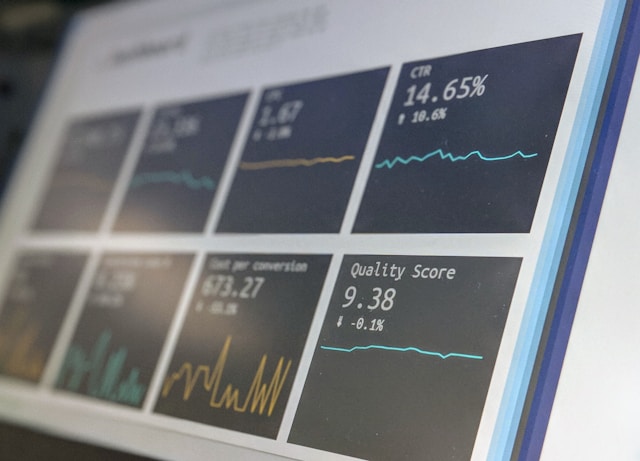
Managing social media performance across several platforms requires a consistent way to collect and interpret data. Facebook, Instagram, LinkedIn, TikTok, and other channels use different dashboards and reporting formats, which makes direct comparison difficult. Businesses need a structured tracking system that connects platform data with campaign goals, audience actions, and content performance. A Social Media Marketing Agency Philippines often standardizes the metrics, reporting periods, and naming conventions used across accounts. This creates a clearer view of which activities support business objectives and where adjustments are needed.
Establish a Consistent Measurement Framework
Cross-platform tracking starts with deciding which metrics matter before collecting data. Without a defined framework, reports may become crowded with numbers that offer little insight. A consistent structure makes data easier to compare from one reporting period to another.
Define Primary Performance Goals
Begin by identifying the objective behind each campaign or social channel. Awareness campaigns might focus on reach and impressions, while traffic campaigns may prioritize link clicks and landing-page visits. Engagement-focused campaigns could emphasize comments, shares, saves, or video interactions.
The selected metrics should connect directly to the campaign objective. Tracking every available number can make reporting harder to interpret. A smaller set of relevant indicators gives teams a clearer basis for evaluating performance.
Standardize Metric Definitions
Platform terminology is not always identical. One network might report video views differently from another, while engagement calculations may use different formulas. Teams should document what each metric means before combining data into a single report.
A shared metric dictionary helps prevent inconsistent reporting. It should explain the definition, source, reporting period, and calculation method for each tracked metric. This creates a common reference for marketers, managers, and clients.
Build a Cross-Platform Tracking Sheet
A centralized tracking sheet gives teams one place to organize data from several social networks. The structure should make it easy to compare results without losing platform-specific context.
Use Standard Reporting Fields
A tracking sheet might include the platform, campaign name, content type, publication date, reach, impressions, engagements, clicks, video views, and conversions. Additional fields can capture audience growth, paid spend, and cost-related metrics when relevant. Each field should have a clearly defined purpose.
Consistent naming also matters. Campaigns and content categories should use the same labels across platforms whenever possible. This makes filtering and aggregation easier during monthly reporting.
Record Reporting Periods Clearly
Metrics should be tied to a specific date range. Monthly, weekly, and campaign-level reports should not mix periods without clear labels. This prevents confusion when performance from one campaign overlaps with results from another.
Teams should also record when the data was exported or retrieved. Some platforms update metrics after publication, meaning reported figures might change later. Keeping a retrieval date provides useful context when comparing historical reports.
Compare Metrics With Context
Cross-platform comparison does not mean treating every metric as directly interchangeable. Numbers need to be interpreted within the context of each platform’s audience, format, and distribution model.
Review Reach and Impressions
Reach measures the number of unique accounts exposed to content, while impressions generally represent total displays. These figures provide useful visibility information but should not be interpreted in isolation. Deep impressions might reflect repeated exposure rather than a larger unique audience.
Teams should compare reach and impressions alongside content frequency. A channel publishing more often naturally has more opportunities to generate impressions. Looking at the ratio between unique reach and total exposure gives additional context.
Analyze Engagement Rates
Engagement rates help place interactions in relation to audience size or content exposure. A post receiving many reactions is not automatically performing better than one with fewer interactions if the audience sizes differ significantly. Consistent calculation rules are therefore important.
Teams should define which interactions count toward engagement. Depending on the platform and campaign, this might include reactions, comments, shares, saves, or video interactions. The same formula should be applied consistently when creating comparative reports.
Track Clicks and Conversion Actions
Visibility and engagement do not always translate into business results. Website visits, inquiries, registrations, downloads, purchases, and other conversion actions may provide a closer connection to business objectives.
Monitor Traffic From Social Channels
Use platform analytics and website analytics together to track traffic generated by social content. Campaign links should include consistent tracking parameters when appropriate. This allows teams to identify which platform or campaign generated a visit.
Traffic quality also matters. A channel that sends fewer visitors but produces stronger engagement on the website might have greater practical value than one that generates large volumes of low-intent visits. Reviewing downstream behavior gives the social report more context.
Connect Social Data to Conversions
Conversion tracking should be aligned with the desired campaign action. A lead-generation campaign might track completed inquiry forms, while an event campaign could track registrations. The conversion event should be defined before results are reviewed.
Teams should also account for the time between social exposure and conversion. A user might see a post, visit the website later, and complete an action through another channel. Attribution models should therefore be understood before assigning results to a single platform.
Compare Paid and Organic Results
Paid and organic content should be tracked separately. Combining them in one performance figure may hide the role of advertising spend in generating visibility or conversions.
Track Organic Performance
Organic metrics show how content performs without direct advertising distribution. These results provide useful information about audience interest, content relevance, and community response. Tracking organic reach and engagement over time also helps identify changes in audience behavior.
Content format should be recorded alongside performance. A drop in organic reach might result from changes in posting frequency, content type, or platform distribution rather than a broad decline in audience interest. Looking at multiple variables helps explain the result.
Measure Paid Efficiency
Paid campaigns require additional metrics such as spend, cost per click, cost per result, and conversion value where applicable. These indicators connect social performance with advertising investment. They should be reviewed alongside campaign objectives.
Paid performance also varies by audience, placement, creative, and bidding setup. A single average figure might hide important differences between campaigns. Segmenting results makes optimization decisions more precise.
Use Consistent Content Categorization
Cross-platform reporting becomes more useful when content is grouped by consistent categories. These categories might include educational posts, promotional posts, customer stories, product content, announcements, or videos.
Tag Content by Format
Each post should have a format label such as image, carousel, short video, livestream, text update, or article. This allows teams to compare how different formats perform across platforms. Format-level analysis can reveal patterns that general account metrics do not show.
The same labels should be used across reporting periods. Changing categories every month makes historical comparison harder. A stable taxonomy supports cleaner trend analysis.
Tag Content by Campaign
Campaign labels connect individual posts to a shared marketing objective. Every related post should use the same campaign name in the tracking system. This makes it easier to aggregate performance across platforms.
Campaign tagging also helps teams separate routine content from specific initiatives. A product launch, seasonal promotion, and ongoing community campaign should not automatically be evaluated with the same expectations. Clear labels support more meaningful comparisons.
Build a Practical Reporting Routine
A strong measurement system needs a repeatable reporting schedule. The goal is to make tracking part of regular marketing operations rather than a one-time exercise.
Review Data Weekly
Weekly checks help teams identify unusual performance changes early. A sudden drop in reach, spike in clicks, or increase in audience growth might warrant closer review. These short checks do not need to become full reports.
Weekly monitoring is most useful for active campaigns and time-sensitive initiatives. It allows marketers to adjust content or targeting before the campaign ends. Historical weekly records also make monthly reporting easier.
Prepare Monthly Performance Reports
Monthly reports provide a broader view of trends. They should summarize performance by platform, campaign, content type, and business objective. Including a short explanation of major changes makes the report easier to interpret.
A Social Media Marketing Agency Philippines may also compare the current month with previous periods to identify recurring patterns. Month-over-month data provides more context than isolated snapshots. The report should highlight meaningful findings rather than simply presenting tables of raw numbers.
Key Takeaway
Cross-platform metric tracking works best when businesses use consistent definitions, reporting periods, content categories, and campaign labels. Reach, impressions, engagement, traffic, and conversions should be measured according to the specific goal of each campaign. Paid and organic results should remain distinct, while website and conversion data add context beyond platform dashboards. A Social Media Marketing Agency Philippines can use a centralized reporting framework to compare performance without treating every platform as identical. Regular weekly checks and monthly reports help turn scattered data into practical insights for future campaigns.