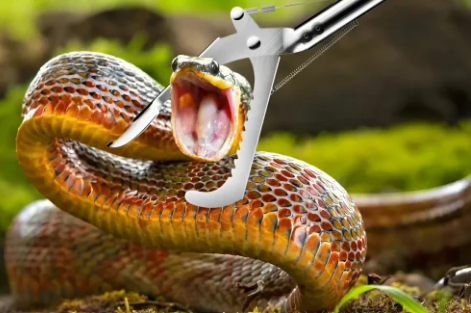
Many homeowners focus on the most visible parts of their property when performing routine maintenance. Lawns are mowed, walkways are cleaned, and gardens receive regular attention. However, some of the less noticeable areas around a home can quietly provide wildlife with food, shelter, and protection. These overlooked spaces may not seem important at first, but they can contribute to repeated animal activity near the property.
A snake sighting can be especially concerning when the animal appears close to a doorway, patio, storage area, or another frequently used space. In situations where a snake is located in a difficult or sensitive area, professional snake removal can provide a safer way to address the problem. Understanding why the animal was attracted to that part of the property can also help homeowners reduce the chances of repeated encounters.
Areas Beneath Outdoor Structures
Spaces beneath decks, porches, sheds, and other raised structures are easy to overlook. These areas are often shaded, protected from changing weather, and rarely disturbed, which can make them attractive shelter for different types of wildlife.
Leaves, old materials, and other debris may gradually collect beneath these structures, creating additional hiding places. Small animals may also use these locations for shelter, which can indirectly attract predators searching for food.
Regularly checking accessible areas beneath outdoor structures can help homeowners identify unusual activity. Removing unnecessary debris and addressing visible gaps can make these spaces easier to monitor and less appealing to wildlife.
The Importance of Clear Property Edges
The edges of a property can play a bigger role in wildlife activity than many homeowners realise. Dense vegetation, stacked materials, overgrown fence lines, and neglected corners can create pathways and sheltered spaces.
Snakes often prefer areas where they can move with cover rather than crossing large, open spaces. Thick groundcover, shrubs, and accumulated leaves may provide the type of concealment that makes movement around a property easier.
Keeping vegetation reasonably controlled does not mean removing every plant or completely changing the landscape. Instead, homeowners can focus on maintaining visibility around frequently used areas and preventing dense growth directly against the home.
Storage Areas Can Create Hidden Shelter
Outdoor storage is useful, but poorly organised materials can provide ideal hiding places for wildlife. Firewood, gardening supplies, unused equipment, lumber, and stacked containers can create protected spaces that are difficult to inspect.
Homeowners should periodically move or reorganize stored items, especially when they have remained in the same location for a long time. Firewood can be stacked neatly and kept away from frequently used entrances when possible.
Regular organisation also makes it easier to notice signs such as shed skin, disturbed materials, or evidence of small animals living nearby.
Small Animal Activity May Be Part of the Problem
A snake may not be attracted to a property solely because of shelter. The presence of prey can also influence where snakes travel and remain.
Mice and other small animals can find shelter around cluttered storage areas, dense landscaping, and structural gaps. If a property provides both protected hiding places and a reliable food source, wildlife activity may become more frequent.
Signs of rodent activity, such as droppings, gnaw marks, or damaged stored materials, should be addressed rather than ignored. Managing the conditions that support small animals can help reduce one of the reasons snakes may continue visiting the property.
Why Repeated Sightings Deserve Attention
Seeing one snake does not necessarily mean that a home has a serious wildlife problem. The animal may simply be passing through its natural environment. However, repeated sightings in the same area can suggest that the property consistently provides useful shelter, prey, or access.
For homeowners experiencing recurring encounters, professional snake removal Columbia SC services can help address the immediate situation while also identifying property conditions that may be contributing to repeated activity.
An inspection can be particularly helpful when a snake disappears beneath a structure, enters a crawl space, or repeatedly appears near the same part of the yard. Rather than focusing only on the visible animal, identifying the environmental factors involved can support a more practical long-term solution.
Check Areas Near Water and Drainage
Outdoor water sources can also influence wildlife movement. Leaking faucets, poorly draining areas, standing water, and consistently damp spaces may support insects, amphibians, and other small animals.
These conditions can create a more active environment for wildlife. Homeowners should inspect outdoor faucets, drainage areas, and low spots in the yard to identify problems that may contribute to unnecessary animal activity.
Correcting drainage issues and repairing leaks can improve overall property maintenance while also reducing conditions that support certain wildlife food sources.
Keep Access Areas Visible
Visibility is an important part of wildlife prevention. When entrances, pathways, foundation edges, and storage areas are covered by dense vegetation or clutter, it becomes harder to notice changes.
Keeping these spaces reasonably clear makes it easier to spot:
- Shed snake skins
- Small animal activity
- Gaps around structures
- Disturbed materials
- Repeated wildlife movement
- Areas with excessive vegetation
Early observation can help homeowners respond before occasional wildlife activity becomes a recurring issue.
Avoid Unsafe Reactions to Snake Sightings
A sudden encounter can cause homeowners to react quickly, but attempting to catch, strike, or corner a snake can increase the risk of an unwanted encounter. It can also be difficult to identify a snake accurately from a brief observation.
The safer approach is to keep people and pets away from the immediate area and avoid handling the animal. If the snake enters a structure, remains in a confined location, or cannot be safely monitored, professional assistance may be appropriate.
Build Prevention Into Regular Maintenance
Wildlife prevention does not have to involve major changes to a property. Many useful steps can become part of normal maintenance, including organising outdoor storage, trimming excessive vegetation, checking spaces beneath structures, managing rodent activity, and correcting drainage problems.
These habits can reduce the number of sheltered locations available to wildlife while making the property easier to inspect. The goal is not to eliminate all wildlife from the surrounding environment but to reduce opportunities for animals to settle close to the home.
A More Practical Approach to Wildlife Prevention
The most effective prevention strategies often begin with the areas that receive the least attention. A shaded corner behind a shed, an undisturbed woodpile, dense vegetation near a fence, or a gap beneath a deck may appear harmless but can provide the conditions wildlife needs.
By regularly inspecting overlooked spaces and responding to repeated animal activity, homeowners can make their properties less attractive to unwanted visitors. When a snake has already entered a difficult location, or sightings continue despite preventive efforts, professional help can address the immediate concern and identify conditions that may be encouraging wildlife to return.