Introduction
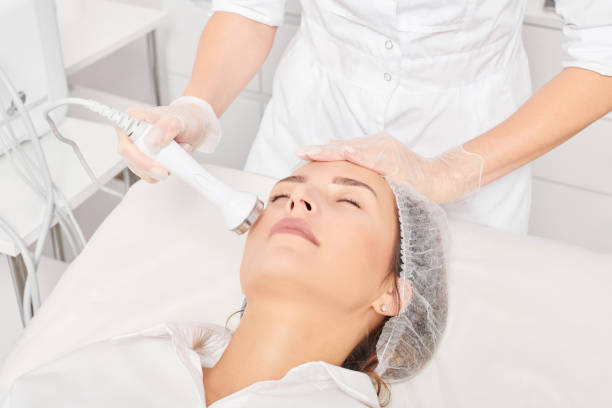
Skin changes are a natural part of aging, but concerns such as fine lines, reduced firmness, sagging, and changes in facial definition can influence the overall appearance of the face. HIFU treatment in Abu Dhabi is a non-invasive approach that uses focused ultrasound energy to target specific layers beneath the skin and encourage a gradual rejuvenating response. The treatment is often considered when someone wants to support firmer-looking skin and improve facial contours without relying on surgical procedures. Understanding the skin concerns that HIFU can address helps individuals determine whether this approach aligns with their aesthetic goals.
Understanding HIFU Treatment
HIFU stands for High-Intensity Focused Ultrasound. The technology delivers focused ultrasound energy to selected depths beneath the skin while leaving the surface layer largely untouched. The energy is designed to stimulate a natural collagen response in targeted tissues. Collagen is an important structural protein that contributes to skin firmness, elasticity, and overall smoothness.
Unlike treatments that primarily focus on the outermost layer of the skin, HIFU works at deeper tissue levels. This makes it particularly relevant for concerns involving laxity and changes in facial structure. The treatment can be customized according to the areas being addressed and the desired degree of rejuvenation.
Skin Firmness and Laxity
One of the main concerns associated with HIFU treatment is reduced skin firmness. As collagen production changes over time, the skin may gradually lose some of its natural support. This can result in a softer or looser appearance around areas such as the cheeks, jawline, neck, and lower face.
HIFU may help encourage collagen remodeling within targeted areas, supporting a firmer and more toned-looking appearance. The effect generally develops gradually rather than appearing immediately, making the treatment suitable for people who prefer progressive facial rejuvenation.
Fine Lines and Wrinkles
Fine lines are another common concern that may be addressed with HIFU. Reduced collagen and elasticity can make lines more noticeable, particularly around areas that experience repeated facial movement or gradual changes in skin structure.
By encouraging collagen activity in deeper layers, HIFU can contribute to smoother-looking skin and a more refreshed appearance. It is generally more focused on skin tightening and structural support than on treating every type of superficial skin imperfection.
Sagging Along the Jawline
Changes around the jawline can become more noticeable as skin elasticity decreases. The lower face may appear less defined, and the transition between the face and neck can become softer.
HIFU treatment may be used to support a more refined-looking jawline by targeting deeper tissues associated with skin laxity. Improving the appearance of firmness in this area can contribute to clearer facial definition without changing the individual’s natural facial characteristics.
Improving the Appearance of the Neck
The neck is another area where gradual loss of firmness can become visible. Loose-looking skin and reduced definition may affect the overall appearance of the lower face and neck.
HIFU can be used on appropriate areas of the neck to encourage collagen remodeling and improve the appearance of skin tightness. Because the neck has different anatomical characteristics from the face, treatment planning typically considers the specific structure and skin condition of the area.
Improving Facial Contours
Facial contours can become less defined as skin laxity develops. The cheeks, lower face, jawline, and areas beneath the chin may gradually lose some of their youthful structure.
HIFU can support the appearance of more defined facial contours by targeting deeper tissue layers. The goal is generally not to create an artificial change but to enhance firmness and maintain balanced facial proportions.
Concerns Around the Chin Area
The area beneath the chin can sometimes appear less defined because of a combination of skin laxity and changes in underlying tissue. HIFU may be considered when the primary concern involves loose-looking skin rather than a need for significant fat reduction.
By focusing ultrasound energy at selected depths, the treatment may support tighter-looking tissue and a clearer transition between the chin and neck. Suitability depends on the individual’s anatomy and the main cause of the concern.
Loss of Skin Elasticity
Elasticity plays an important role in how the skin responds to movement and changes in facial structure. With age, environmental exposure, and natural biological changes, skin may become less resilient.
HIFU’s collagen-focused approach can support the skin’s structural framework. As collagen remodeling takes place, the treated area may gradually appear firmer and more resilient. This makes HIFU relevant for individuals whose primary concern is declining elasticity rather than surface pigmentation or texture alone.
Dull and Tired-Looking Facial Appearance
Some people seek facial rejuvenation because their skin appears less fresh or youthful than before. Although HIFU is not primarily a surface-brightening treatment, improving underlying firmness and facial structure may contribute to a more refreshed overall appearance.
When skin laxity is contributing to a tired-looking appearance, supporting deeper tissue firmness can help create a more lifted and rejuvenated visual effect.
HIFU for Different Areas of the Face
HIFU can be considered for several facial areas depending on individual concerns. The cheeks may be treated when reduced firmness is noticeable, while the jawline may be addressed when facial definition has become softer. The lower face and chin region can also be evaluated when laxity affects the overall contour.
Treatment planning is important because facial anatomy varies from person to person. The energy depth and treatment areas are selected according to the structure and aesthetic objective rather than applying the same approach to everyone.
Gradual Collagen Support
A key characteristic of HIFU is its focus on encouraging the body’s natural collagen response. Collagen remodeling does not happen instantly, so improvements may become more noticeable progressively over time.
This gradual process can make HIFU appealing to people who prefer subtle-looking rejuvenation. Rather than producing a sudden transformation, the treatment aims to support a more naturally refreshed appearance as the skin’s structural support develops.
How HIFU Differs From Surface-Focused Treatments
Many aesthetic treatments are designed to work mainly with the surface of the skin. These approaches may focus on concerns such as texture, pigmentation, or superficial irregularities. HIFU has a different focus because it directs ultrasound energy into deeper tissue layers.
For this reason, HIFU is particularly associated with concerns involving skin laxity, firmness, and facial definition. It may be selected as part of a broader aesthetic plan when deeper structural support is a priority.
Who May Consider HIFU Treatment?
HIFU may be considered by adults who notice mild to moderate changes in skin firmness or facial definition and want a non-surgical approach to rejuvenation. It can be especially relevant for individuals concerned about early signs of laxity around the lower face, jawline, cheeks, or neck.
A personalized assessment is important because not every skin concern responds to HIFU in the same way. The treatment is most suitable when the primary concern matches what focused ultrasound technology is designed to address.
Creating Natural-Looking Facial Rejuvenation
A major consideration in facial rejuvenation is maintaining natural-looking proportions. HIFU does not need to produce a dramatic alteration to create a visible improvement. Supporting skin firmness and definition can help the face look more refreshed while preserving its existing character.
The gradual nature of collagen remodeling also supports a subtle progression of results. This can be useful for individuals who prefer an enhancement that develops over time.
Conclusion
HIFU treatment can address several concerns associated with changes in skin firmness and facial structure. It is commonly considered for reduced elasticity, mild to moderate skin laxity, fine lines, softer jawline definition, neck firmness, and changes around the chin and lower face. By using focused ultrasound energy to stimulate a deeper collagen response, HIFU supports gradual improvements in the appearance of firmness and facial contours. Understanding the specific concern, treatment area, and individual skin characteristics can help determine whether HIFU is an appropriate option for achieving a more refreshed and defined appearance.
FAQs
What skin concerns can HIFU treatment help address?
HIFU can help address concerns such as mild to moderate skin laxity, reduced firmness, fine lines, softer facial contours, and changes in jawline or neck definition.
Can HIFU help improve facial firmness?
Yes, HIFU is designed to support collagen remodeling in deeper tissue layers, which can contribute to a firmer-looking appearance over time.
Can HIFU help with a less defined jawline?
HIFU may help improve the appearance of a softer jawline when skin laxity is contributing to reduced facial definition.
Is HIFU suitable for the neck?
HIFU can be used for appropriate neck areas when reduced skin firmness or laxity is the primary concern. Individual suitability depends on the person’s anatomy and treatment goals.
Does HIFU address fine lines?
HIFU may help soften the appearance of certain fine lines by supporting collagen production and improving the overall firmness of the skin.
Does HIFU provide immediate results?
HIFU is generally associated with gradual improvement because collagen remodeling takes time. Changes may become more noticeable as the natural rejuvenation process develops.
Can HIFU improve facial contours?
Yes, HIFU may support more defined-looking facial contours by improving the appearance of firmness in targeted areas such as the cheeks, lower face, jawline, and chin region.
Is HIFU mainly a skin-surface treatment?
No. HIFU primarily targets deeper tissue layers with focused ultrasound energy, making it particularly relevant to concerns involving firmness and structural support.