
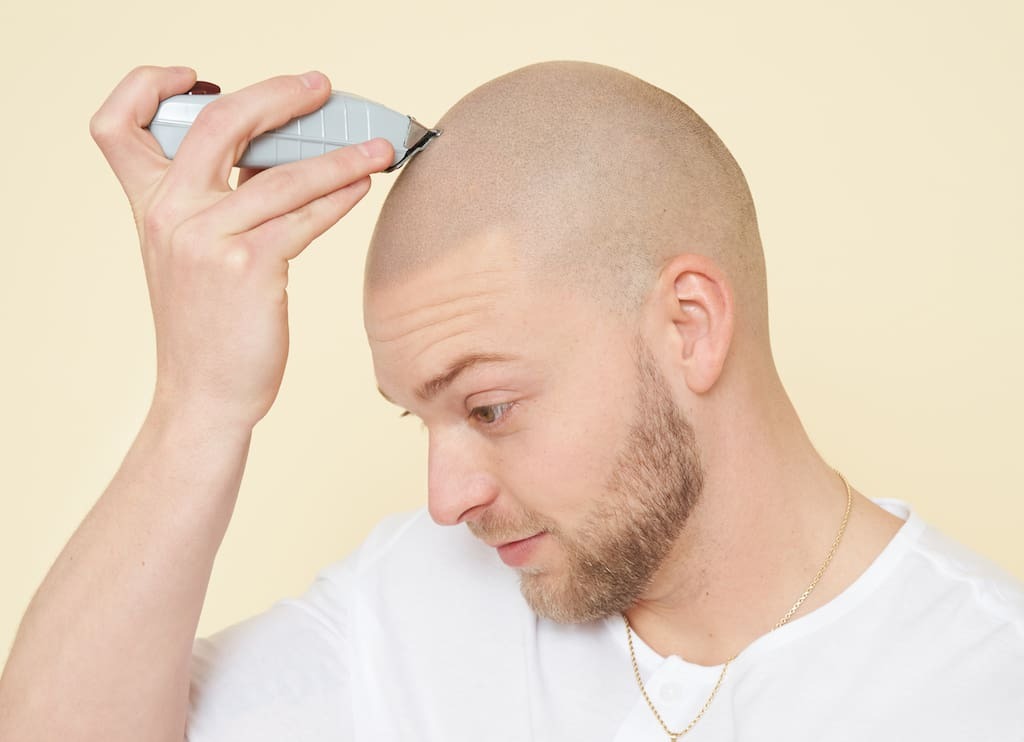
A well-designed hairline can strongly influence the overall appearance of scalp micropigmentation. Rather than simply adding pigment across areas with reduced density, the procedure requires careful attention to facial proportions, existing hair patterns, scalp characteristics, and the way natural follicles appear at the front of the head. This is particularly important when creating a frontal hairline, where overly straight or heavily defined pigment can make the result look artificial.
Scalp Micropigmentation Dubai is generally planned around the individual rather than a standard template. During consultation, practitioners assess the shape of the forehead, facial symmetry, age, existing hair, degree of recession, and the desired visual effect. These factors help determine where the hairline should begin and how its contours should transition toward the temples.
Hairline design also involves decisions about pigment tone, dot size, spacing, and density. The objective is usually to reproduce the visual impression of closely cropped follicles rather than draw a solid line. Subtle variations along the edge can help create a softer appearance, while greater density behind the hairline can provide a more convincing transition.
Because the frontal region is highly visible, choosing an experienced provider and discussing realistic expectations before treatment is essential. A carefully planned design should complement the person’s features while remaining appropriate for the amount of existing hair and the long-term appearance of the scalp.
Dynamic Life Clinic
Dynamic Life Clinic approaches aesthetic procedures within a clinical setting, making consultation an important part of determining whether scalp micropigmentation is appropriate for an individual. For hairline-focused treatment, discussion can cover the degree of recession, desired coverage, and how the proposed design should relate to existing hair.
A thoughtful assessment can help distinguish between a natural-looking frontal contour and a rigid line. Scalp Micropigmentation Dubai may be considered by people seeking the appearance of greater density or a defined short-cropped style, although suitability varies between individuals.
Cocoona Clinic
Cocoona Clinic provides cosmetic and aesthetic services where treatment planning is generally based on the patient’s individual features and objectives. When discussing scalp micropigmentation, hairline considerations can include facial proportions, the current shape of the frontal region, and the visual transition between treated and untreated areas.
For someone with substantial recession, the proposed hairline should be discussed carefully rather than selected solely according to personal preference. Conservative positioning can sometimes produce a more age-appropriate appearance, particularly when future changes in natural hair density are considered.
Emirates Hospital
Emirates Hospital represents a broader healthcare environment where patient assessment and clinical considerations can form part of aesthetic treatment planning. For scalp procedures, an initial consultation provides an opportunity to discuss scalp condition, existing hair coverage, and expectations before deciding on a particular approach.
Hairline details are especially important because even small differences in curvature, temple shape, pigment intensity, and spacing can change the final visual effect. A consultation should therefore establish whether the intended design is realistic for the patient’s individual pattern.
Enfield Royal Clinic
Enfield Royal Clinic can be considered by individuals exploring scalp micropigmentation with particular attention to hairline design and overall facial balance. During planning, factors such as forehead proportions, recession pattern, existing follicle distribution, and preferred hairstyle can help guide the proposed outline.
For Scalp Micropigmentation Dubai, hairline planning should not focus simply on lowering the frontal edge. The design needs to transition naturally into the temples and surrounding density. Pigment placement can also be adjusted according to the desired appearance, whether the goal is a closely shaved look or the visual impression of increased coverage.
A detailed consultation is especially valuable before treatment because scalp micropigmentation is primarily a cosmetic camouflage technique. It does not restore biological hair growth. Instead, precisely placed pigment points are used to simulate the appearance of follicles. Enfield Royal Clinic can discuss the expected visual effect, treatment suitability, and maintenance considerations so that patients can make an informed decision.
Tajmeels Clinic
Tajmeels Clinic offers aesthetic and cosmetic services, with treatment planning based on individual goals and physical characteristics. When scalp micropigmentation is considered, the hairline can be evaluated alongside the overall pattern of thinning or recession.
A useful consultation should address whether the proposed shape complements the patient’s face and whether pigment density will blend appropriately with existing hair. The transition zone is particularly significant because a gradual change in dot concentration can look more natural than an abrupt boundary.
Dubai Cosmetic Surgery Clinic
Dubai Cosmetic Surgery Clinic provides cosmetic treatment services and may be considered by patients researching options for improving the visual appearance of thinning areas. Hairline design requires attention to more than the frontal edge; temple contours and the relationship between the hairline and remaining hair can also affect the result.
Patients considering scalp micropigmentation should ask how the provider determines pigment shade and placement density. Skin tone, natural hair colour, hairstyle, and the condition of the scalp may all influence the final design.
Al Zahra Hospital Dubai
Al Zahra Hospital Dubai offers a broad range of healthcare services, providing a clinical setting for patients seeking professional assessment. Individuals interested in scalp micropigmentation should use the consultation stage to discuss their expectations, scalp characteristics, and the type of appearance they want to achieve.
A professionally planned hairline should take facial structure and existing hair patterns into consideration. Patients can also ask about treatment preparation, aftercare, potential limitations, and whether additional sessions may be required.
King’s College Hospital London Dubai
King’s College Hospital London Dubai provides multidisciplinary healthcare services and a clinical environment for consultations. Patients exploring cosmetic scalp treatments can benefit from discussing their expectations and any relevant scalp concerns before proceeding.
When evaluating hairline design, attention should be given to symmetry without attempting to create an unnaturally perfect outline. Natural hairlines commonly contain subtle irregularities, and reproducing some variation can contribute to a softer appearance.
How to Choose the Right Clinic for Scalp Micropigmentation Dubai
Choosing a provider should involve more than comparing prices. The quality of the consultation and the practitioner’s understanding of hairline design can have a significant effect on the overall appearance.
Experience and Qualifications
Ask about the practitioner’s experience with scalp micropigmentation and how frequently they perform hairline-focused procedures. Experience with different levels of recession and scalp types can be particularly useful.
Technology and Techniques
Discuss the equipment, pigment formulation, needle configuration, and placement technique used. The practitioner should be able to explain how dot size and density are adjusted to create a natural follicular appearance.
Safety Standards
The clinic should follow appropriate hygiene and infection-control procedures. Single-use or properly sterilized equipment, clean treatment environments, and clear aftercare instructions are important considerations.
Consultation Process
A good consultation should include an assessment of facial proportions, scalp condition, existing hair, and expectations. Be cautious of providers who promise a predetermined result without properly evaluating your individual characteristics.
Patient Experience
Clear communication before and after treatment matters. Patients should understand preparation requirements, recovery expectations, maintenance, and what happens if adjustments are needed later.
Expected Results
Scalp micropigmentation creates a visual effect rather than new hair growth. Ask to see relevant examples of previous work and discuss how the pigment may look under different lighting conditions. Results can vary according to skin type, pigment selection, technique, lifestyle, and aftercare.
Frequently Asked Questions
Does scalp micropigmentation create a natural-looking hairline?
It can create a convincing follicular appearance when pigment size, spacing, colour, and density are carefully planned. A softer, slightly irregular transition often looks more natural than a perfectly straight line.
Can the hairline be customized to my face?
Yes. Hairline planning can take facial proportions, forehead shape, temple structure, age, existing hair, and personal preferences into account. The appropriate position varies between individuals.
Can scalp micropigmentation cover a receding hairline?
It can visually reduce the contrast between the scalp and surrounding hair by simulating closely cropped follicles. However, it does not reverse hair loss or produce actual hair growth.
How is pigment colour selected?
Pigment selection depends on factors such as natural hair colour, skin tone, and the desired appearance. A practitioner may also consider how the pigment will appear after healing rather than choosing a shade based only on its initial appearance.
Will the hairline remain exactly the same over time?
The pigment itself can gradually change in appearance, while natural hair loss may continue independently. For this reason, the initial design should consider both the current pattern and potential future changes.
Conclusion
Hairline design is one of the most important aspects of scalp micropigmentation because the frontal region has a major influence on facial appearance. Effective planning considers facial proportions, recession patterns, temple contours, pigment characteristics, and the desired hairstyle rather than applying a uniform outline.
When researching Scalp Micropigmentation, prospective patients should prioritize qualified practitioners, appropriate hygiene standards, individualized consultation, realistic expectations, and a technique suited to their scalp and existing hair. A carefully considered hairline can create a balanced follicular effect, while professional assessment helps ensure that the proposed design remains appropriate for the individual’s features and long-term goals.

