

A clean office does more than impress visitors. It protects employee health reduces days and creates a professional atmosphere that clients notice the moment they walk in. Pittsburgh companies are increasingly outsourcing this work to trained teams of relying on in-house staff or occasional tidying between busy workdays.
Commercial office cleaning services cover more than emptying trash bins and wiping desks. A trained crew follows a plan that includes floor care, restroom sanitizing, kitchen or break room upkeep and touchpoint disinfecting for doorknobs, light switches and shared equipment. Most companies schedule this work after business hours so daily operations are never interrupted.

What a Standard Cleaning Visit Includes
Every visit typically starts with trash removal and recycling followed by dusting surfaces, vacuuming carpets and mopping floors. Restrooms receive sanitizing, including toilets, sinks, mirrors and floors. Kitchens or break areas get wiped down appliances cleaned on the outside and countertops disinfected. Windows, glass doors and interior partitions are also cleaned to remove smudges and fingerprints that build up during a workday.
How Often Should an Office Be Professionally Cleaned
Frequency depends on foot traffic and the type of business. Offices with fifty or more employees usually need attention while smaller teams may only need service two or three times a week. Shared spaces like elevators, lobbies and stairwells often require frequent touch-ups than private offices. A walkthrough with a cleaning coordinator can help determine the schedule based on how the space is actually used throughout the week.
Dental Office Cleaning Service Requirements for Patient Safety
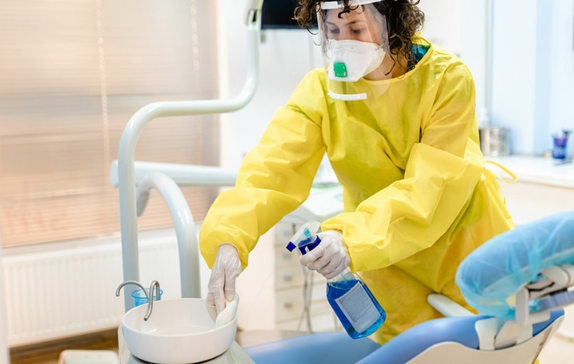
Dental office cleaning service needs differ greatly from an office setting. Waiting rooms, exam chairs and reception counters must meet sanitation standards set by health regulations. Cleaning crews working in practices are trained to handle biohazard waste properly disinfect high-touch surfaces between patient visits and follow protocols that reduce cross-contamination risks. Flooring in treatment areas requires attention since spills and debris are common throughout the day and staff must document cleaning logs for compliance purposes.
Signs Your Workplace Needs a Cleaning Service
Persistent dust on shelves, overflowing trash bins, sticky floors and stained carpets are signs that current cleaning routines are not keeping up. Employees who frequently call in sick or complain about allergies may also be reacting to air quality caused by dust or buildup in HVAC vents. Once these issues appear businesses often notice a drop in productivity and a decline in how clients perceive the space during meetings or walk-in visits.
What to Ask Before Hiring a Cleaning Company
Business owners should ask about insurance coverage, background checks for staff and the products used during each visit. Low-odor cleaning solutions matter for employees with sensitivities or allergies. It also helps to confirm whether the company offers scheduling since many offices prefer early morning or late evening visits to avoid disrupting staff. A written checklist or service agreement outlining exactly what gets cleaned during each visit prevents confusion on.
How Pricing Works for Office Cleaning Contracts
Pricing usually depends on footage how often cleaning happens and the specific tasks included in the plan. Weekly service costs less per visit than one-time cleaning but businesses with daily foot traffic often need more frequent attention. Some companies charge monthly rates while others bill per visit based on scope of work. Getting a walkthrough and a written quote before signing any contract helps avoid charges down the road.

Specialized Cleaning Needs for Medical and Professional Spaces
Medical offices, law firms and financial businesses often require steps beyond standard cleaning. Confidential documents need handling waiting areas need frequent sanitizing and shared equipment like keyboards and phones require regular disinfecting. Facilities that see a flow of visitors throughout the day benefit from cleaning schedules built around their busiest hours rather than a generic weekly plan applied to every account.
Building a Cleaning Schedule That Actually Works
The effective schedules are based on how a space is used not a one-size-fits-all calendar. High-traffic areas like entryways, restrooms and break rooms usually need attention while private offices and storage rooms can go longer between deep cleans. Seasonal tasks such, as carpet shampooing or window washing should be planned separately from visits so they don’t get skipped when daily work piles up. Reviewing the schedule every few months keeps it aligned with staffing changes and shifting business needs.
Summary
Keeping a workplace clean requires than occasional wiping down of desks. Reliable commercial office cleaning services handle maintenance, deep cleaning and specialized sanitizing that keep a business looking professional and running smoothly. Medical and dental practices carry responsibility since patient safety depends on consistent documented cleaning routines that meet health standards.
