
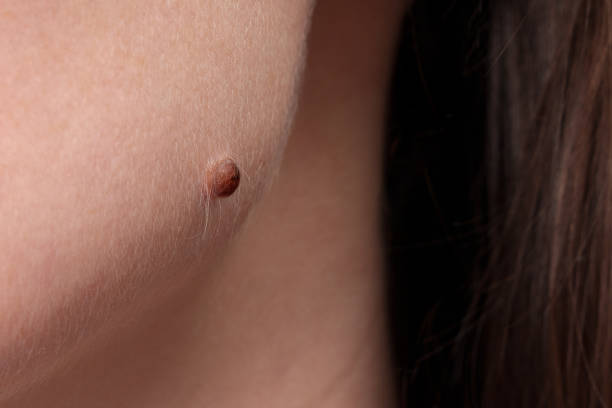
Warts are common skin growths that can affect children as well as adults, and they may appear on the hands, fingers, feet, face, or other areas of the body. Parents considering Warts Removal Treatment in Abu Dhabi may naturally want to know whether treatment is suitable for a child and how the decision should be made. In many situations, children can be considered for professional wart removal, but the child’s age, the type of wart, its location, duration, and individual skin characteristics should all be taken into account before treatment is selected.
Understanding Warts in Children
Warts are commonly associated with certain types of human papillomavirus, or HPV. They can develop when the virus comes into contact with the skin and may appear as rough, raised, smooth, or relatively flat growths.
Children can develop warts on areas that experience frequent contact, such as the hands and fingers. Warts may also occur on the feet, face, knees, or other parts of the body.
Although some warts may eventually disappear naturally, others can remain present for an extended period or become more noticeable. The appropriate approach depends on the individual child and the characteristics of the growth.
Is Warts Removal Treatment Suitable for Children?
Wart removal treatment can be considered for children when the growth has been accurately identified and treatment is appropriate for the child’s circumstances. However, children should not automatically receive the same treatment approach used for adults.
Age, skin characteristics, the wart’s location, size, type, and duration can all influence treatment planning. The child’s ability to cooperate during the procedure may also be relevant.
An individualized assessment helps determine whether treatment is appropriate and what approach is best suited to the child’s particular situation.
Why a Child’s Age Matters
Children of different ages may have very different levels of understanding and tolerance for medical procedures. A younger child may find an unfamiliar treatment environment more challenging, while an older child may be able to understand what will happen and communicate their concerns more clearly.
Age can therefore be an important consideration when deciding whether wart removal should be pursued.
The goal is to select an approach that takes both the wart and the child’s individual needs into account rather than focusing solely on removing the visible growth.
Does the Type of Wart Matter?
Yes. Warts can vary in appearance and structure, and the type of wart can influence treatment planning.
Common warts often appear on the hands and fingers, while plantar warts occur on the feet. Flat warts can be smoother and may occur on the face, arms, or other areas.
A wart on a child’s finger may require different consideration from one located on the sole of the foot or a visible facial area. Correct identification helps determine whether removal treatment is appropriate.
Can Children’s Facial Warts Be Treated?
Facial warts can be especially noticeable for children and may affect their confidence at school or during social activities. Because the face is highly visible, treatment planning should take the exact location and surrounding skin into account.
A facial wart near the eyes, nose, or mouth may require particularly careful consideration. The child’s age and ability to cooperate can also influence the decision.
When treatment is appropriate, the objective is to address the visible growth while considering the natural appearance of the surrounding skin.
What About Warts on the Hands and Fingers?
Hand and finger warts are common in children because these areas are frequently exposed to contact with other surfaces and people. A wart can become noticeable during everyday activities and may affect a child’s confidence.
The size, thickness, location, and duration of the growth can help determine whether treatment should be considered.
If a wart is located near a fingernail or joint, its precise position can be particularly relevant to treatment planning.
Can Children Have Plantar Warts Removed?
Plantar warts develop on the feet and can become thicker because of pressure from walking. Children who are active may notice these growths during sports, school activities, or other movement.
A plantar wart can be evaluated according to its size, depth, location, and effect on everyday activities. Treatment may be considered when the growth persists or becomes a significant concern.
The child’s age and ability to cooperate remain important when deciding whether removal is appropriate.
When Is Wart Removal Considered for a Child?
Wart removal may be considered when a growth remains present for a long period, becomes increasingly noticeable, appears in a particularly visible location, or affects the child’s confidence or everyday activities.
Treatment may also be considered when there are multiple warts or when a growth repeatedly returns.
However, not every wart requires immediate removal. The decision should be based on the child’s individual circumstances and whether treatment is appropriate.
Why Accurate Identification Is Important
Not every unusual skin growth in a child is a wart. Other skin conditions can sometimes resemble warts, particularly when a growth is small, rough, raised, or discolored.
Accurate identification is therefore an important first step before considering removal treatment. An assessment can consider the growth’s appearance, texture, location, duration, and changes over time.
This helps ensure that treatment is being considered for an appropriately identified wart.
Can Children’s Warts Return After Treatment?
Wart removal addresses the visible growth but does not guarantee that another wart will never appear. Warts are associated with HPV, and the virus may remain in surrounding skin after the visible growth has been removed.
If a wart returns, it can be evaluated to determine whether it represents recurrence or a new growth.
Parents should therefore understand that removing a visible wart and preventing every future wart are not necessarily the same objective.
Can Treatment Improve a Child’s Skin Appearance?
A wart can make the skin appear rough, raised, or uneven. Removing a visible growth may help the affected area look clearer and more uniform as the skin settles.
The final appearance can vary depending on the wart’s size, location, duration, and the child’s individual skin characteristics.
For children who feel self-conscious about a visible wart, improving the appearance of the affected area may be an important consideration when discussing treatment.
What Role Do Parents Play?
Parents can help by providing information about when the wart first appeared, whether it has changed, and whether any previous treatment has been attempted.
It is also useful to consider how the child feels about the growth. Some children may not be bothered by a wart, while others may become self-conscious about its appearance, particularly when it is on the face or hands.
Understanding both the physical characteristics of the wart and the child’s perspective can help support an appropriate treatment decision.
What Should Be Considered Before Treatment?
Before treatment, the child’s age, general skin characteristics, wart type, location, size, duration, and previous treatment history can all be considered.
The child’s ability to understand and cooperate with the procedure may also be relevant. These factors help establish whether treatment is appropriate and which approach may best suit the child.
The goal should be to address the wart while taking the child’s individual needs and expectations into account.
Final Thoughts
Children can be considered for warts removal treatment when the growth has been accurately identified and treatment is appropriate for their age, skin characteristics, and individual circumstances. The decision should not be based simply on the presence of a wart.
Factors such as wart type, size, location, duration, recurrence, and the child’s ability to cooperate can all influence treatment planning. Facial, hand, finger, and plantar warts may each require different considerations.
For parents who are concerned about a persistent or noticeable wart, an individualized assessment can provide clearer guidance about whether removal treatment is suitable for the child and what type of outcome can realistically be expected.
FAQs
Can children have warts removed?
Yes. Children can be considered for professional wart removal when treatment is appropriate for their individual circumstances.
Is age important when treating children’s warts?
Yes. A child’s age and ability to understand and cooperate can influence treatment planning.
Can facial warts be removed in children?
Yes. Children’s facial warts can be considered for treatment when accurately identified and appropriately assessed.
Can children’s warts return?
Yes. A wart can recur or a new growth can develop because the associated virus may remain in surrounding skin.
Can wart removal improve a child’s skin appearance?
Yes. Removing a visible wart can help the affected area appear clearer and more uniform as the skin settles.

