
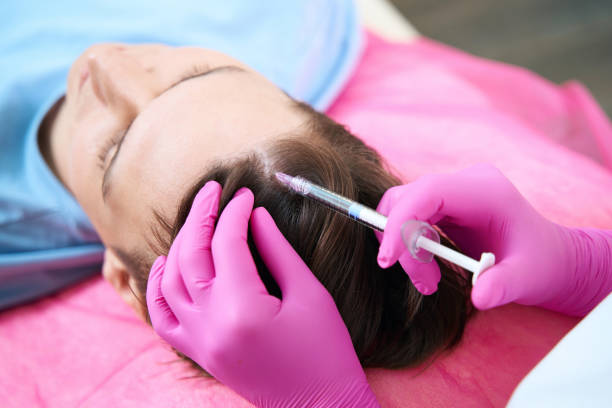
Thinning temples can be one of the earliest visible signs of changing hair density, often becoming noticeable around the front corners of the scalp. Because this area strongly influences the appearance of the hairline, even gradual thinning can change the overall shape and fullness of the hair. PRP, or platelet-rich plasma, is a non-surgical treatment intended to support existing hair follicles and encourage natural growth. For individuals considering Best PRP Hair Treatment in Abu Dhabi, understanding whether PRP can help thinning temples is important. The potential depends largely on whether viable follicles remain in the affected areas, the cause of temple thinning, the condition of the scalp, and the individual’s natural response to treatment.
Understanding Temple Hair Thinning
The temples are located at the front sides of the scalp and form an important part of the overall hairline. Hair in this region can gradually become finer before noticeable density changes occur.
Temple thinning may develop slowly, making the change difficult to recognize at first. Some people notice that the corners of the hairline appear more open, while others observe finer strands or increased scalp visibility.
Because temple thinning can have different causes, understanding the pattern and condition of the follicles is an important part of deciding whether a follicle-supporting treatment such as PRP is appropriate.
How PRP Works for Thinning Temples
PRP is prepared from a small sample of the individual’s own blood. The sample is processed to concentrate platelets within the plasma. These platelets naturally contain growth factors and signaling proteins involved in cellular communication and tissue repair.
The concentrated plasma is then introduced into targeted areas of the scalp. When the temples are the primary area of concern, treatment can be focused specifically on regions where viable follicles remain.
The objective is to support the biological environment around existing follicles and encourage healthier-looking natural hair growth rather than artificially adding hair to the area.
Can PRP Help Thinning Temples?
PRP may help improve the appearance of thinning temples when viable follicles are still present. Temple hair can become progressively finer before follicles lose their ability to produce visible strands, creating an opportunity for follicular support.
By supporting the environment around these follicles, PRP may encourage stronger-looking strands and improved coverage over time. This can potentially make the temple area appear fuller and help create a more balanced-looking hairline.
However, PRP does not guarantee complete restoration of the original hairline. Its potential depends on the condition of the follicles and the underlying reason for temple thinning.
Why Existing Follicles Matter
PRP is designed to support existing follicles rather than create new ones. This distinction is especially important for the temples because advanced thinning may involve areas where functional follicles are significantly reduced.
When follicles remain viable but produce increasingly fine hair, they may have greater potential for support. If follicular structures are completely absent, PRP cannot simply recreate them.
A professional evaluation can help determine whether the thinning temples contain follicles that may still respond to a follicle-supporting approach.
PRP and the Hairline
The hairline plays a major role in facial framing and overall appearance. Changes around the temples can make the front of the scalp appear wider or less dense.
Supporting existing temple follicles may help improve the visual transition between the central hairline and the sides of the scalp. As stronger-looking strands develop, the hairline may appear more balanced and fuller.
The goal is not necessarily to recreate a previous hairline exactly. Instead, PRP focuses on supporting natural follicular activity in areas where viable follicles remain.
Can PRP Improve Temple Hair Thickness?
Temple thinning often involves a reduction in individual strand thickness. Hair may become finer and less noticeable before overall density changes become obvious.
PRP may support follicles that are still capable of producing hair, potentially encouraging stronger-looking strands as the natural growth cycle continues.
Improved strand thickness can make the temple area appear more substantial even when the number of follicles remains unchanged. This is one reason follicular support can influence the overall appearance of thinning temples.
What Causes Thinning Temples?
Temple thinning can occur for several reasons, including hereditary hair patterns, age-related changes, hormonal influences, and natural changes in the hair-growth cycle.
Identifying the underlying cause matters because PRP is primarily focused on supporting existing follicles. Its potential therefore depends on whether the affected follicles remain capable of producing hair.
A professional assessment can help identify the pattern of thinning and determine whether PRP is suitable for the individual’s temple concerns.
PRP for Early Temple Thinning
PRP may be particularly relevant when temple thinning is identified during an earlier stage. Early changes can involve follicles producing finer strands rather than complete follicular loss.
Supporting these follicles may help encourage healthier-looking natural growth and potentially preserve a fuller appearance.
Early treatment does not guarantee a specific outcome, but understanding the condition of the follicles can help establish realistic expectations about what PRP may accomplish.
How PRP May Improve the Appearance of Temples
The appearance of thinning temples is influenced by strand thickness, density, and coverage. When viable follicles produce stronger-looking hair, the treated area may gradually appear fuller.
PRP does not provide instant cosmetic volume. Instead, it works with the natural hair-growth process. As new strands develop, changes in thickness and coverage may become increasingly noticeable.
This gradual approach can make the result look more natural because the improvement comes from the individual’s own follicular growth.
What Influences PRP Results?
The response to PRP can differ significantly between individuals. The cause and duration of temple thinning, follicular condition, scalp characteristics, age, genetics, and individual biological response can all influence the outcome.
The treatment protocol may also be personalized. Factors such as platelet concentration, preparation technique, application method, targeted areas, and treatment intervals can be adapted according to individual needs.
A personalized approach is especially important for temple thinning because the condition of the follicles can vary considerably between different areas of the same scalp.
How Long Does It Take to See Changes?
Hair growth follows a natural cycle, so PRP does not produce immediate temple regrowth. The treatment is intended to support follicular activity, while visible changes develop as new hair progresses through its growth phase.
Over time, individuals may notice changes in strand thickness, coverage, and the overall appearance of the temple region.
The timeline varies according to follicular condition and individual biological response. Consistent evaluation over time provides a more meaningful understanding of whether the treatment is supporting the desired hair-growth goals.
Can PRP Restore Completely Lost Temple Hair?
PRP cannot recreate follicles that are completely absent. Its potential is greatest when the temples contain viable follicles that have become less active or are producing increasingly fine strands.
This distinction helps explain why PRP may be more relevant for early or moderate thinning than for areas where follicular structures are no longer present.
A professional scalp and follicular assessment can help determine whether the temple area has sufficient viable follicles for PRP to be considered.
Is PRP Right for Thinning Temples?
PRP may be an appropriate non-surgical option for individuals who want to support existing temple follicles and encourage healthier-looking natural growth. It can be particularly relevant when thinning is gradual and viable follicles remain.
However, PRP is not automatically suitable for every case of temple hair loss. The underlying cause, stage of thinning, follicular condition, scalp health, and personal goals should all be considered.
A personalized assessment can help establish whether PRP is a suitable approach and what degree of improvement may reasonably be expected.
Final Thoughts
Best PRP Hair Treatment may help thinning temples when viable hair follicles remain and the goal is to support natural growth. By focusing on the biological environment surrounding existing follicles, PRP may contribute to improvements in strand thickness, coverage, and the overall appearance of the hairline.
The treatment does not create completely new follicles, so the condition of the temple follicles is an important factor in determining its potential. Results also develop gradually as the hair progresses through its natural growth cycle.
For individuals concerned about early or gradual temple thinning, PRP can offer a non-surgical approach focused on supporting existing hair. A personalized assessment and realistic expectations can help determine whether this treatment aligns with the individual’s hairline and restoration goals.
FAQs
Can PRP help thinning temples?
PRP may support viable temple follicles and encourage healthier-looking natural hair growth over time.
Can PRP thicken temple hair?
It may support follicles producing fine strands, potentially contributing to thicker-looking temple hair.
Does PRP restore a receding hairline?
PRP may improve the appearance of areas where viable follicles remain, but it cannot recreate completely absent follicles.
Is PRP useful for early temple thinning?
It may be considered when thinning is relatively early and existing follicles remain active.
How long does temple improvement take?
Visible changes develop gradually as supported follicles progress through their natural hair-growth cycle.

