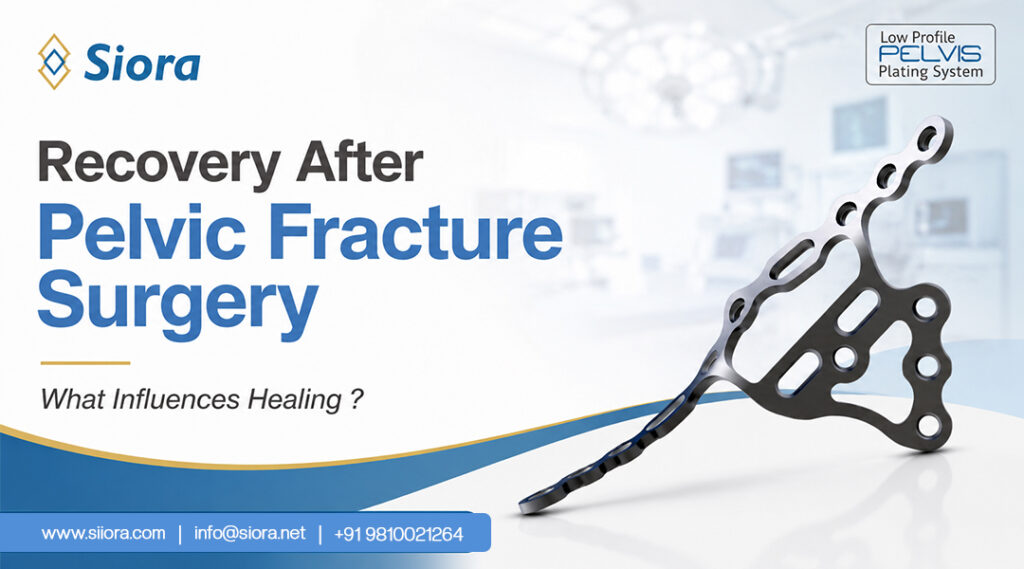
Recovering after pelvic fracture surgery, especially when a pelvic plate is applied, can be a long and demanding process. Unlike a simple broken bone, a pelvic fracture may affect the way a person walks, sits, sleeps, and performs everyday activities. In many cases, the injury may also involve muscles, nerves, blood vessels, or internal organs. As a result, healing does not follow the same timeline for every patient.
Some people regain mobility steadily within a few months, while others need a longer period of rehabilitation. The severity and pattern of the fracture, associated injuries, the stability achieved during surgery, and the patient’s overall health can all influence recovery.
The Type and Severity of the Pelvic Fracture
One of the biggest factors affecting recovery is the nature of the original injury. A stable fracture generally has a more straightforward healing process than an unstable pelvic fracture. High-energy accidents can cause more complex damage to the pelvic ring and surrounding soft tissues.
When multiple areas of the pelvis are fractured or significantly displaced, surgery and rehabilitation may become more complicated. Associated injuries to the legs, spine, nerves, bladder, or other organs can also slow functional recovery. This is why two patients who undergo pelvic fracture surgery may have very different recovery experiences.
Surgical Stability and Bone Alignment
The goal of surgery is to restore alignment and create sufficient stability for the fractured bones to heal. Proper alignment is particularly important because poor healing or irregular joint surfaces may contribute to pain, reduced movement, or later joint problems.
The stability of the surgical repair also influences when rehabilitation and weight-bearing can safely progress. Patients should not compare their recovery restrictions with someone else’s, as the surgeon’s recommendations depend on the individual fracture pattern and fixation.
Weight-Bearing and Rehabilitation
Rehabilitation plays a central role in recovery. Early movement, when medically permitted, can help maintain muscle strength, joint mobility, and overall function. However, weight-bearing usually needs to be carefully controlled after surgery.
Many patients use crutches, walkers, or other mobility aids for several weeks. As healing progresses, physical therapy may focus on range-of-motion exercises, strengthening, balance, and gait training. Rehabilitation plans should be personalised, particularly when nerve damage or other injuries are present.
Overall Health and Associated Injuries
A patient’s general health can significantly influence the healing process. Recovery may be more difficult when a pelvic fracture occurs alongside other serious injuries. Nerve damage can affect sensation and muscle control, while bladder or bowel complications may add further challenges to rehabilitation.
Age, pre-injury fitness, nutritional status, and the body’s ability to recover from trauma can also influence the pace of healing. In complex cases, recovery often requires coordinated care involving orthopaedic surgeons, physiotherapists, and other healthcare professionals.
Pain Control and Following Medical Advice
Pain can make movement and rehabilitation difficult, especially during the early stages of recovery. Effective pain management may help patients participate more comfortably in prescribed exercises and daily activities.
Following medical advice is equally important. Doing too much too soon can place unnecessary stress on the healing pelvis, while prolonged inactivity may contribute to muscle weakness and stiffness. Attending follow-up appointments allows the surgical team to monitor healing and adjust activity levels when appropriate.
Healing Is a Gradual Process
Pelvic fracture recovery is rarely a straight line. Bone healing may progress over weeks to months, while rebuilding strength and returning to normal movement can take considerably longer. Research also suggests that functional improvement may continue well beyond the initial recovery period.
The most important point is that recovery should be guided by the specific injury and the treating surgeon’s advice. Patience, consistent rehabilitation, and careful progression can all support the journey back to mobility and everyday independence.