
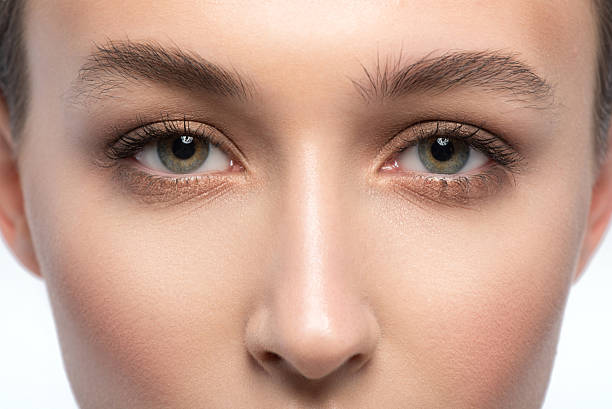
Dark circles can become noticeable during young adulthood, even when the skin is generally healthy and facial features are still youthful. Genetics, pigmentation, natural facial structure, thin under-eye skin, visible vessels, and tear trough shadows can all contribute to a darker appearance beneath the eyes. For young adults considering professional options, Dark Circles Treatment in Abu Dhabi may provide a personalized way to address these concerns according to their specific causes. Understanding why dark circles develop at a younger age can help determine whether treatment is an appropriate choice.
Why Do Young Adults Develop Dark Circles?
Dark circles are not exclusively associated with aging. Young adults can develop them because the appearance of the under-eye area is influenced by genetics, skin characteristics, pigmentation, and facial anatomy.
Some people naturally have darker pigmentation around the eyes, while others may have thin skin that makes underlying structures more visible. Natural hollows beneath the eyes can also create shadows that resemble pigmentation.
Because these characteristics can be present from an early age, dark circles may become noticeable long before significant age-related changes occur.
Is Dark Circles Treatment Suitable for Young Adults?
Dark circles treatment may be suitable for young adults when persistent under-eye darkness is a genuine aesthetic concern and the chosen approach is appropriate for the individual’s age, skin characteristics, and underlying cause.
Age alone does not determine whether treatment is appropriate. The more important considerations are what is causing the darkness and what type of improvement the person hopes to achieve.
A young adult with pigmentation may have different treatment goals from someone whose main concern is a naturally deep tear trough or visible vessels beneath delicate skin. Understanding these differences helps support a more individualized approach.
Understanding the Cause Before Treatment
Dark circles can look similar while having very different causes. This is especially important for young adults because their concerns may be primarily genetic or structural rather than related to age.
Pigmentation can create brown or deeper coloration, while visible vessels may contribute blue or purple tones. A tear trough can produce a shadow beneath the eyes, and thin skin can make both pigmentation and underlying structures more noticeable.
Identifying the dominant cause helps ensure that treatment is focused on the characteristic actually responsible for the darker appearance.
Genetics and Young-Age Dark Circles
Genetics can play a significant role in the appearance of dark circles. Some young adults naturally inherit pigmentation patterns, thin under-eye skin, or facial contours that make the area beneath the eyes appear darker.
When dark circles are strongly influenced by inherited characteristics, they may remain noticeable even when other aspects of the skin look healthy and youthful.
Treatment may help reduce their visual prominence, but realistic expectations are important. Genetic features are part of a person’s natural appearance, so the goal is generally improvement rather than completely eliminating every characteristic.
The Role of Pigmentation
Pigmentation is one of the most common reasons young adults may notice darker skin beneath their eyes. The under-eye area can appear brown or deeper than the surrounding complexion, creating noticeable contrast.
When pigmentation is the primary concern, treatment may focus on improving the appearance and uniformity of the under-eye tone.
A more even-looking complexion can make the eyes appear brighter and more refreshed. However, if pigmentation exists alongside hollowness or visible vessels, addressing color alone may not completely change the appearance of the area.
Under-Eye Hollows in Young Adults
Young adults can naturally have tear trough hollows or deeper contours beneath the eyes. These features are not necessarily signs of aging.
A recessed area can create a shadow because it interacts differently with light. The resulting darkness may therefore be mistaken for pigmentation even when the skin itself is not significantly darker.
When facial structure is the main contributor, treatment planning may focus on improving the visual transition between the lower eyelid and cheek rather than concentrating exclusively on skin tone.
Thin Under-Eye Skin
The skin around the eyes is naturally delicate, and some young adults have particularly thin skin in this area. Thin skin can make underlying vessels and facial structures more visible.
This may produce blue or purple tones or emphasize natural shadows. When combined with pigmentation, the overall effect can make the under-eyes appear darker than the rest of the face.
Understanding the role of skin thickness can help explain why dark circles may persist despite otherwise healthy-looking skin.
Can Treatment Support a Natural Appearance?
For young adults, maintaining a natural facial appearance is often an important consideration. The goal of dark circles treatment should generally be to improve the visual balance of the under-eye area rather than dramatically alter facial identity.
A subtle improvement in tone, contour, or overall brightness may be enough to make the eyes look more refreshed.
Because young skin may already have a youthful appearance, treatment planning should remain focused on the specific concern instead of introducing unnecessary changes to areas that do not require attention.
Why Individual Assessment Matters for Young Adults
Not every young adult with dark circles requires the same approach. A person with pigmentation may have different needs from someone with structural hollowness or visible vessels.
An individual assessment can help determine which characteristics are contributing most strongly to the concern. It can also help establish realistic expectations based on natural facial proportions and skin characteristics.
This personalized approach is particularly useful for younger individuals because the objective is generally targeted improvement rather than broad facial transformation.
Setting Realistic Expectations
Young adults may expect dark circles to disappear completely because their skin is relatively youthful. However, some dark circles are associated with inherited pigmentation, facial anatomy, or naturally thin skin.
Treatment may reduce the prominence of these features, but natural characteristics can remain visible to some degree.
A realistic expectation is usually a brighter, more balanced, and refreshed-looking under-eye area rather than a completely featureless appearance.
Can Treating Dark Circles Improve Facial Freshness?
The eyes play a major role in facial expression, and dark circles can draw attention toward the lower eyelid. This may make the face appear tired even when a young adult feels energetic and well rested.
Reducing the visual prominence of darkness can help the eyes appear clearer and the surrounding face look more balanced.
For young adults, this type of improvement may be particularly noticeable because the primary concern is often a specific under-eye feature rather than widespread facial changes.
When Should Young Adults Consider Treatment?
Treatment may be considered when dark circles are persistent, noticeable, and affecting how a person feels about their appearance. Temporary changes in under-eye appearance are different from long-standing characteristics that remain consistent over time.
Understanding the reason for the darkness is important before deciding whether professional treatment is appropriate. If the concern is primarily structural or genetic, expectations should reflect that underlying cause.
A thoughtful approach focuses on addressing the specific feature that creates the unwanted appearance.
Choosing a Personalized Approach
The suitability of dark circles treatment for young adults depends less on age alone and more on the individual’s skin, facial structure, and aesthetic goals.
A personalized approach can distinguish between pigmentation, visible vessels, thin skin, hollowness, and shadowing. This allows treatment goals to remain focused and proportionate.
The ideal outcome is generally one that makes the under-eye area look more even and refreshed while preserving the natural character of the face.
Final Thoughts
Dark circles can affect young adults for many reasons, including genetics, pigmentation, thin under-eye skin, visible vessels, and natural facial contours. Their presence does not necessarily indicate aging or poor skin quality.
Dark Circles Treatment may be suitable for young adults when persistent under-eye darkness is a genuine concern and the treatment approach is matched to its underlying cause. Personalized planning can help focus on the features that contribute most strongly to the appearance while supporting a natural-looking result.
For younger individuals, realistic expectations are especially important. The objective is not necessarily to remove every natural feature beneath the eyes but to reduce distracting darkness and create a brighter, more balanced, and refreshed-looking appearance.
FAQs
Can young adults have dark circles?
Yes. Dark circles can develop at a young age due to genetics, pigmentation, facial structure, or thin under-eye skin.
Is dark circles treatment suitable for young adults?
It may be suitable when persistent darkness is an aesthetic concern and the chosen approach matches the individual’s needs.
Are young-age dark circles always caused by pigmentation?
No. Hollowness, visible vessels, thin skin, and natural facial shadows can also contribute.
Can treatment make young adults look more refreshed?
Improving the appearance of under-eye darkness may help the eyes and surrounding face appear brighter and more refreshed.
Can genetic dark circles be improved?
Treatment may reduce their visual prominence, although inherited characteristics may remain partially visible.

