
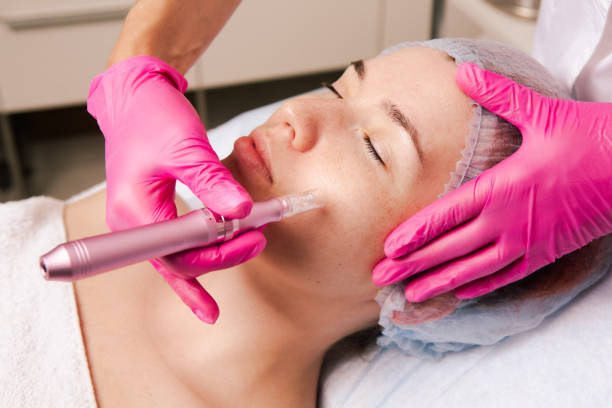
Microneedling has gained popularity as a minimally invasive skin treatment that can address various skin concerns, especially scars. Microneedling Abu Dhabi is increasingly recognized for its effectiveness in improving the appearance of different types of scars. This innovative procedure involves creating tiny punctures in the skin using fine needles, which stimulates the body’s natural healing process. The result is enhanced collagen and elastin production, leading to smoother, firmer skin. Because of its versatility and safety profile, microneedling is often considered a go-to option for those looking to reduce the visibility of scars without undergoing more aggressive procedures.
Understanding Different Types of Scars
Before exploring how microneedling can treat scars, it’s important to understand the various types of scars that individuals may seek to improve. Each type of scar has unique characteristics and may respond differently to treatments.
Acne Scars
Acne scars are among the most common types of scars treated with microneedling. They often appear as depressed or pitted areas on the skin, resulting from the loss of collagen during the healing of severe acne lesions. Acne scars can vary from mild to severe and may have a rolling, boxcar, or icepick appearance.
Surgical Scars
Surgical scars are the result of incisions made during medical procedures. Although they are intended to heal neatly, sometimes they can become raised, widened, or develop uneven textures. These scars may be prominent, especially if healing was complicated or if there is excess scar tissue.
Traumatic Scars
Traumatic scars occur due to injuries such as cuts, burns, or accidents. The appearance of these scars can vary widely depending on the severity of the injury and how the skin healed. They may be raised, indented, or have irregular textures.
Keloid and Hypertrophic Scars
Keloids are thick, raised scars that extend beyond the original wound boundary, often appearing shiny and firm. Hypertrophic scars are similar but remain confined within the original wound area. Both types can be challenging to treat and may require specialized approaches.
Stretch Marks
Stretch marks, or striae, are a form of scars caused by rapid skin stretching, such as during pregnancy or weight gain. They typically appear as streaks or lines on the skin’s surface and may respond to microneedling with improved texture and color.
How Microneedling Abu Dhabi Works on Different Scars
Microneedling works by triggering the skin’s natural healing response, which promotes collagen and elastin production. This process helps to remodel scar tissue, improve skin texture, and reduce the visibility of scars across various types.
Effectiveness on Acne Scars
Microneedling is particularly effective in treating depressed acne scars. The tiny punctures stimulate collagen growth in the areas where the skin has lost volume, gradually elevating the depressed scars and smoothing the skin surface. Multiple sessions are usually recommended to achieve optimal results.
Improvements in Surgical and Traumatic Scars
For surgical and traumatic scars, microneedling can help break down excess scar tissue and promote even healing. It can diminish the appearance of raised or widened scars, making them blend more seamlessly with the surrounding skin. The treatment can also improve skin flexibility and reduce scar redness over time.
Managing Keloid and Hypertrophic Scars
While microneedling can be beneficial in reducing the prominence of keloid and hypertrophic scars, it is often combined with other therapies for optimal results. The stimulation of collagen can help soften raised scars and improve their texture, but individual responses may vary.
Improving Stretch Marks
Stretch marks respond well to microneedling as it helps stimulate collagen and elastin in the affected areas. This leads to a decrease in the appearance of lines and streaks, making them less noticeable and improving skin firmness.
Benefits of Microneedling Abu Dhabi for Scar Treatment
The primary advantage of microneedling is its ability to address multiple scar types with minimal downtime. It is a safe, effective, and versatile procedure that can be customized based on the scar’s characteristics. Additionally, since it promotes natural skin regeneration, the results tend to look natural and improve over time.
Aftercare Tips for Optimal Results
Following a microneedling session, proper aftercare is essential to support healing and maximize benefits. It is recommended to keep the skin hydrated and avoid excessive sun exposure. Gentle cleansing and moisturizing help prevent irritation, and using broad-spectrum sunscreen shields the skin from UV damage. Avoiding harsh skincare products and refraining from picking at the treated area also contribute to better outcomes.
FAQs About Microneedling Abu Dhabi and Scar Treatment
Is microneedling suitable for all scar types?
Most scar types can benefit from microneedling, especially those resulting from acne, scars, or stretch marks. However, individual suitability depends on skin type and scar characteristics, so consulting with a skincare professional is advisable.
How many sessions are needed to see results?
Typically, multiple sessions are recommended, with the number varying based on the scar’s severity and type. Most people notice visible improvements after three to six sessions, spaced several weeks apart.
Are the results permanent?
While microneedling can produce long-lasting improvements, scars may not disappear entirely. Maintenance treatments can help sustain the results and prevent new scars from forming.
Can microneedling be combined with other treatments?
Yes, microneedling is often combined with other skin therapies like chemical peels or laser treatments for enhanced results, especially for stubborn scars.
When can I expect to see improvements?
Initial improvements may be visible within a few weeks after treatment, but full results usually develop over several months as collagen continues to regenerate.
Conclusion
Microneedling Abu Dhabi offers a promising solution for individuals seeking to reduce the appearance of various scars. Its ability to stimulate natural healing processes makes it effective across different scar types, including acne scars, surgical scars, traumatic scars, keloids, hypertrophic scars, and stretch marks. With proper aftercare and multiple sessions, patients can achieve smoother, more even skin, boosting confidence and overall skin health. The procedure’s versatility and natural approach make it a popular choice for those looking to improve their skin’s texture and appearance without invasive surgery.

